Published by Paul Ivinskas
Saturday, October 24, 2026

Everything Utah, every day.

Help Utahns understand their communities and hold government accountable. Our mission →

Wildlife & plants · Birds

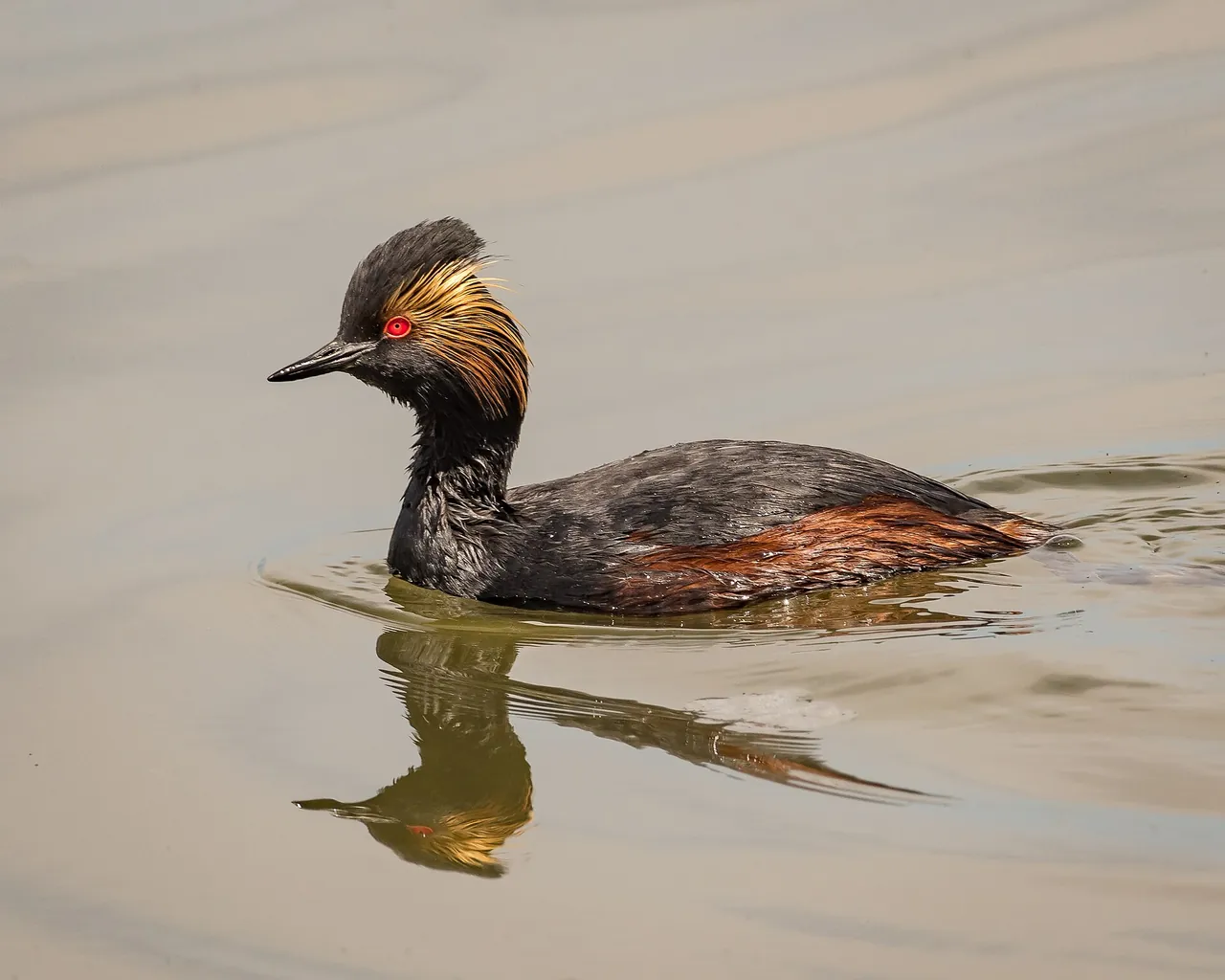
Eared grebe

A small diving bird whose long autumn stopovers reveal the importance of Great Salt Lake's invertebrate food supply.

An eared grebe (black-necked grebe) in breeding plumage on the water
File photo: an eared grebe (black-necked grebe) in breeding plumage on the water · Cropped to fit. Photo: Becky Matsubara from El Sobrante, California · CC BY 2.0 · Wikimedia Commons

An eared grebe is a compact waterbird with a thin neck, small head and slender bill. Breeding adults have a dark head, reddish sides and a fan of golden feathers behind the red eye. Outside breeding plumage, the face and neck become much grayer, so a visitor should not expect every autumn bird to match a spring photograph. A peaked head, fine bill and smudgy cheek are useful clues, though other small grebes require careful comparison.

Great Salt Lake is an important feeding and staging area for this species. Birds gather in open water and dive for aquatic invertebrates, including brine shrimp. Their autumn stay can last for months while they feed and replace feathers. This is more than a brief rest during a nonstop trip: the lake provides an extended seasonal workplace for birds preparing for their next movements. A university study of observations from 2009–2021 documented both spring passage and a substantial autumn staging period.

The lake's broad water surface can make a large gathering look like scattered dark dots from shore. A spotting scope is often more useful than walking toward the waterline, especially when birds are well offshore. Compare small groups over time and watch the rhythm of surfacing and diving. Historical counts demonstrate the lake's importance, but they are not the number present today; salinity, food, weather and survey timing all need context when interpreting a report.

How to recognize it

Small grebe, slender bill, often peaked head; breeding golden ear plumes disappear into a much plainer nonbreeding appearance.

Conservation

Staging birds depend on a functioning saline-lake food web, not just the presence of open water.

Watching and staying safe

Use established public viewpoints and a scope; do not attempt to move flocks closer or approach them by water.

Places the sources name

Examples from the sources, not a complete range or a sighting guide.
Related profiles

A magnified Artemia franciscana brine shrimp against a dark background
Species reference photograph: Artemia franciscana brine shrimp. The source does not say where the specimen was collected. Photo: Biodiversity Institute of Ontario · CC BY 3.0 · Wikimedia Commons
Invertebrates

Brine shrimp and brine flies

Tiny crustaceans and insects carry energy from Great Salt Lake's microscopic producers to its birds.

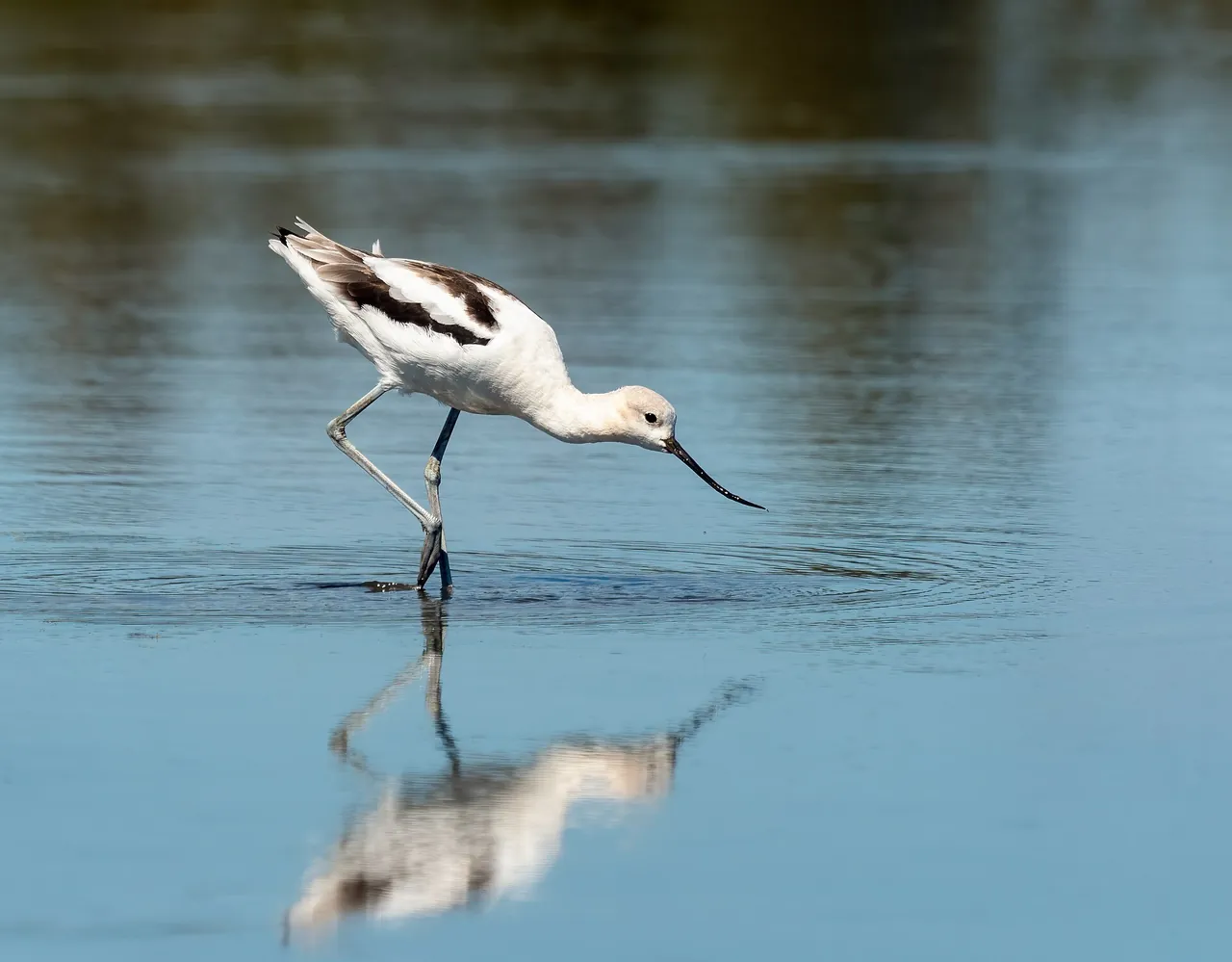
American avocet wading in shallow water with its upturned bill
File photo: american avocet wading in shallow water with its upturned bill. Photo: Rhododendrites · CC BY-SA 4.0 · Wikimedia Commons
Birds

American avocet

An upturned bill, blue-gray legs and a sweeping feeding motion make this wetland shorebird especially distinctive.

Recurvirostra americana

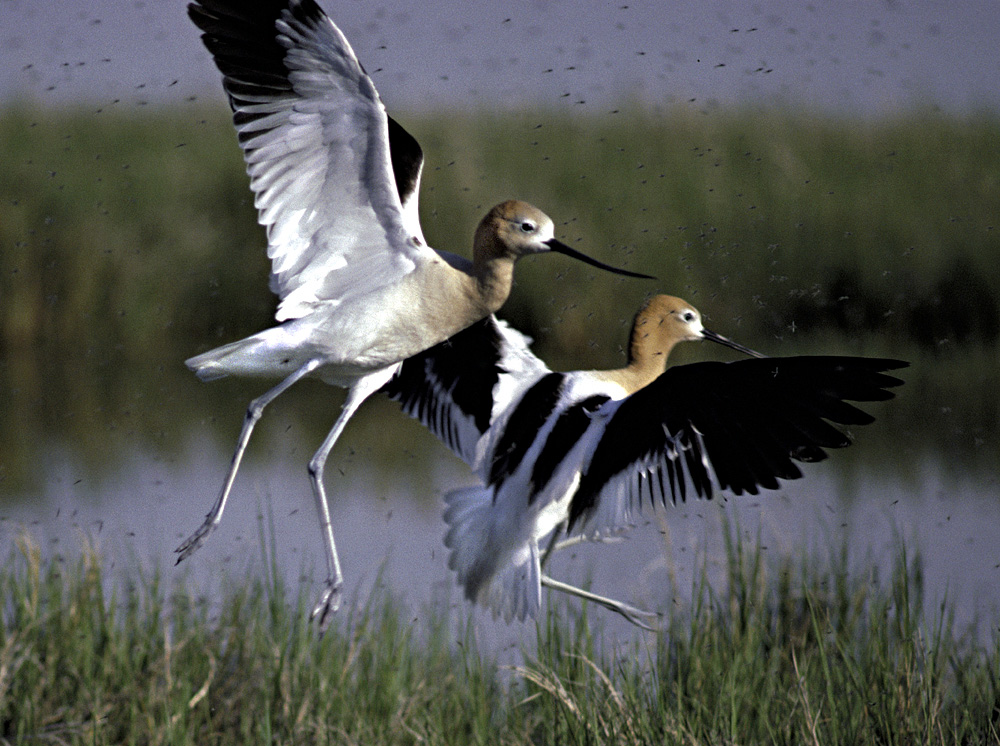
American avocets with raised wings at Bear River Migratory Bird Refuge
File photo: American avocets with raised wings at Bear River Migratory Bird Refuge. Photo: U.S. Fish and Wildlife Service · Public domain · Wikimedia Commons
Birds

Bear River refuge birds

Read the refuge as a changing set of habitats, from shallow feeding flats to marsh cover and deeper water.

Saved on this device. Statewide news and alerts remain available.