Bear River refuge birds
Read the refuge as a changing set of habitats, from shallow feeding flats to marsh cover and deeper water.
Everything Utah, every day.
Help Utahns understand their communities and hold government accountable. Our mission →
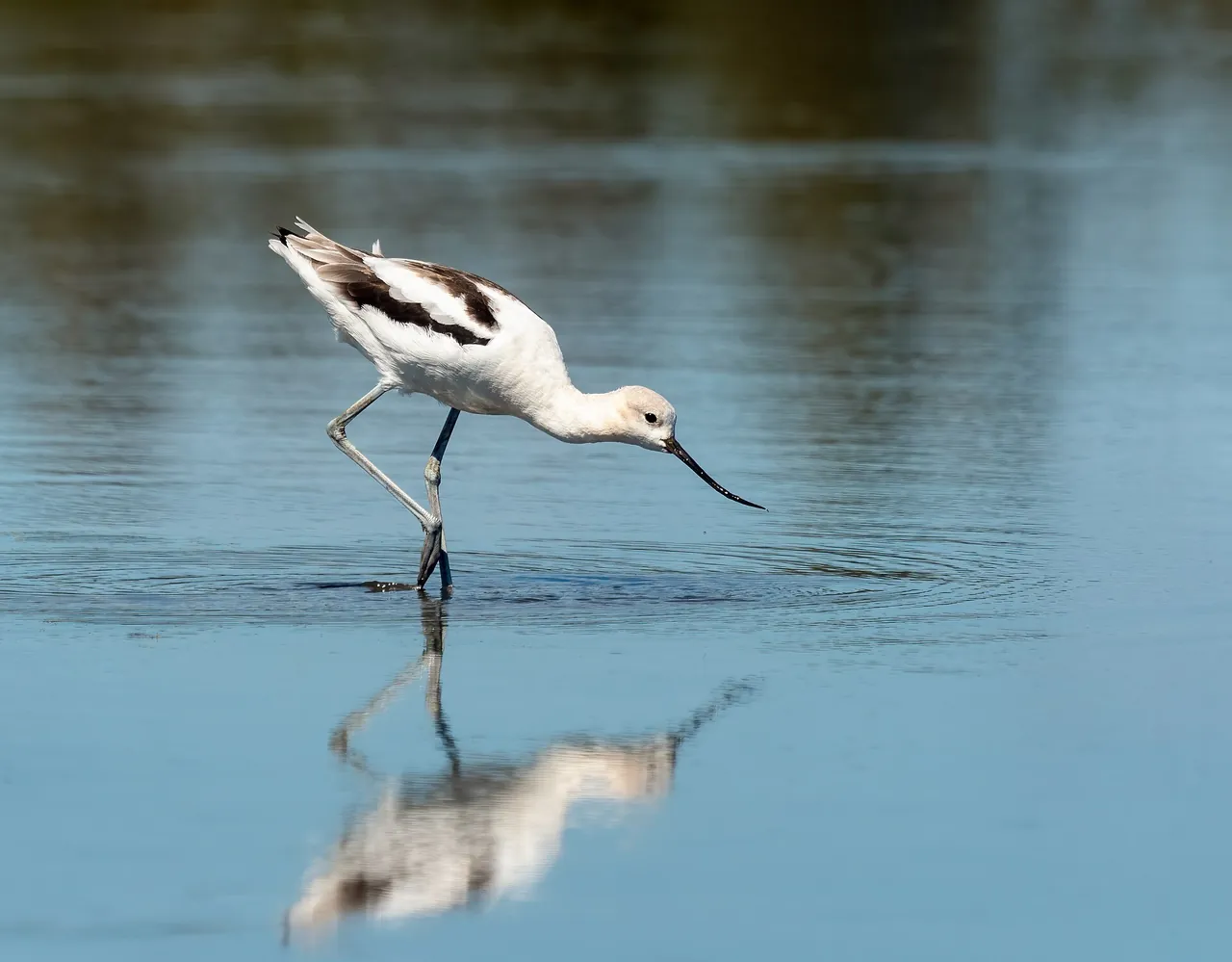
An upturned bill, blue-gray legs and a sweeping feeding motion make this wetland shorebird especially distinctive.

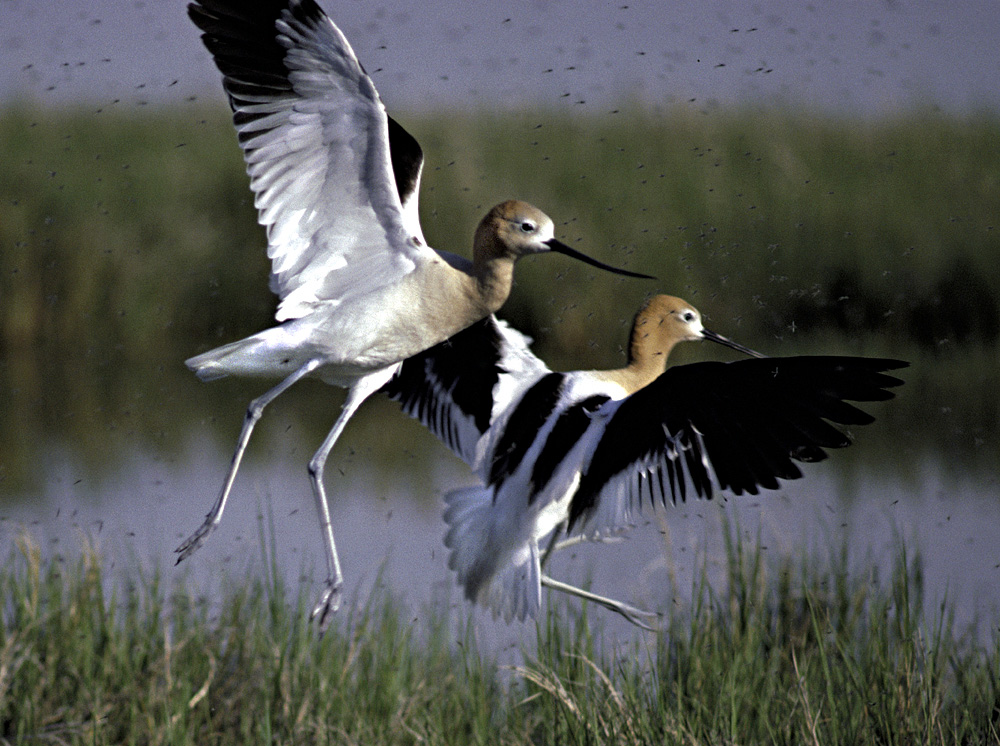
An American avocet can look like a different bird as the year turns. The rusty head and neck of breeding adults fade to pale gray-white outside the breeding season, while the bold black-and-white wings remain. Its long bill curves upward, and its legs are blue-gray. Those features help separate an avocet from a black-necked stilt, whose legs are pink and bill is straight. Watching the bill and legs together is more dependable than looking for a rusty head alone.
The bill is a feeding tool as well as an identification clue. An avocet often walks through shallow water, sweeping its slightly open bill from side to side to catch small aquatic animals. It can also peck for prey or swim while feeding. Shallow fresh and saline wetlands both provide habitat. Nest sites are usually open ground on islands or dikes, with little vegetation; downy chicks can walk soon after hatching.
Great Salt Lake's wetlands support breeding and migrating avocets. Bear River refuge describes young birds in June and July, but that seasonal pattern does not promise a sighting on a particular visit. Utah's current Wildlife Action Plan includes the avocet among its conservation-priority species. For a viewer, preserving quiet feeding space and leaving apparently bare nesting ground undisturbed are practical ways to respect the habitat behind the spectacle.
Upturned bill; blue-gray legs; black-and-white wings; rusty breeding head becomes pale outside breeding season.
A species of greatest conservation need in Utah's Wildlife Action Plan, a state planning category rather than a federal listing.
Use a scope from designated public areas. Do not walk onto islands or dikes closed to visitors; withdraw if adults begin defensive behavior.

Read the refuge as a changing set of habitats, from shallow feeding flats to marsh cover and deeper water.

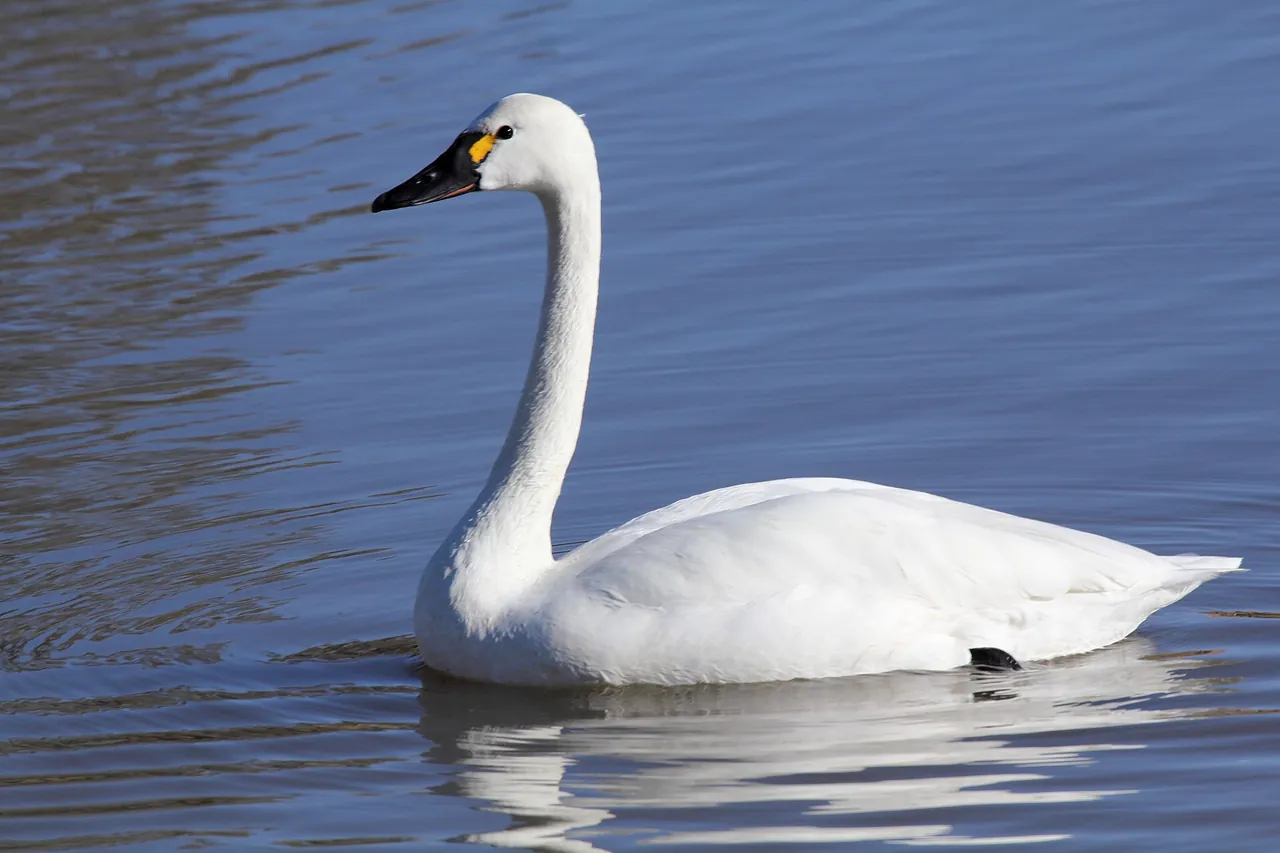
A large white migrant whose family groups link Utah's wetlands with Arctic nesting country.

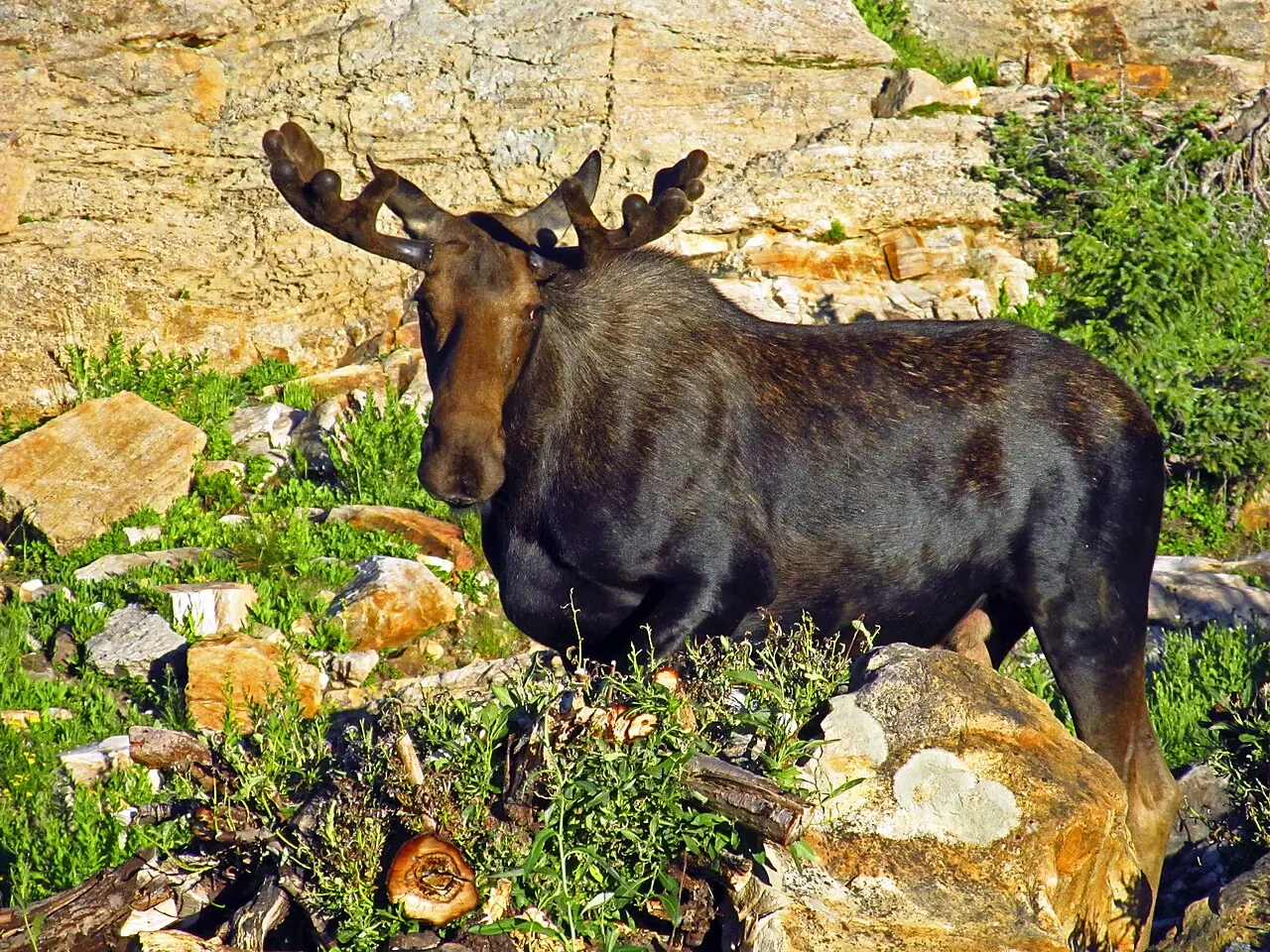
The largest member of the deer family in Utah, at home where northern mountain forest meets water.

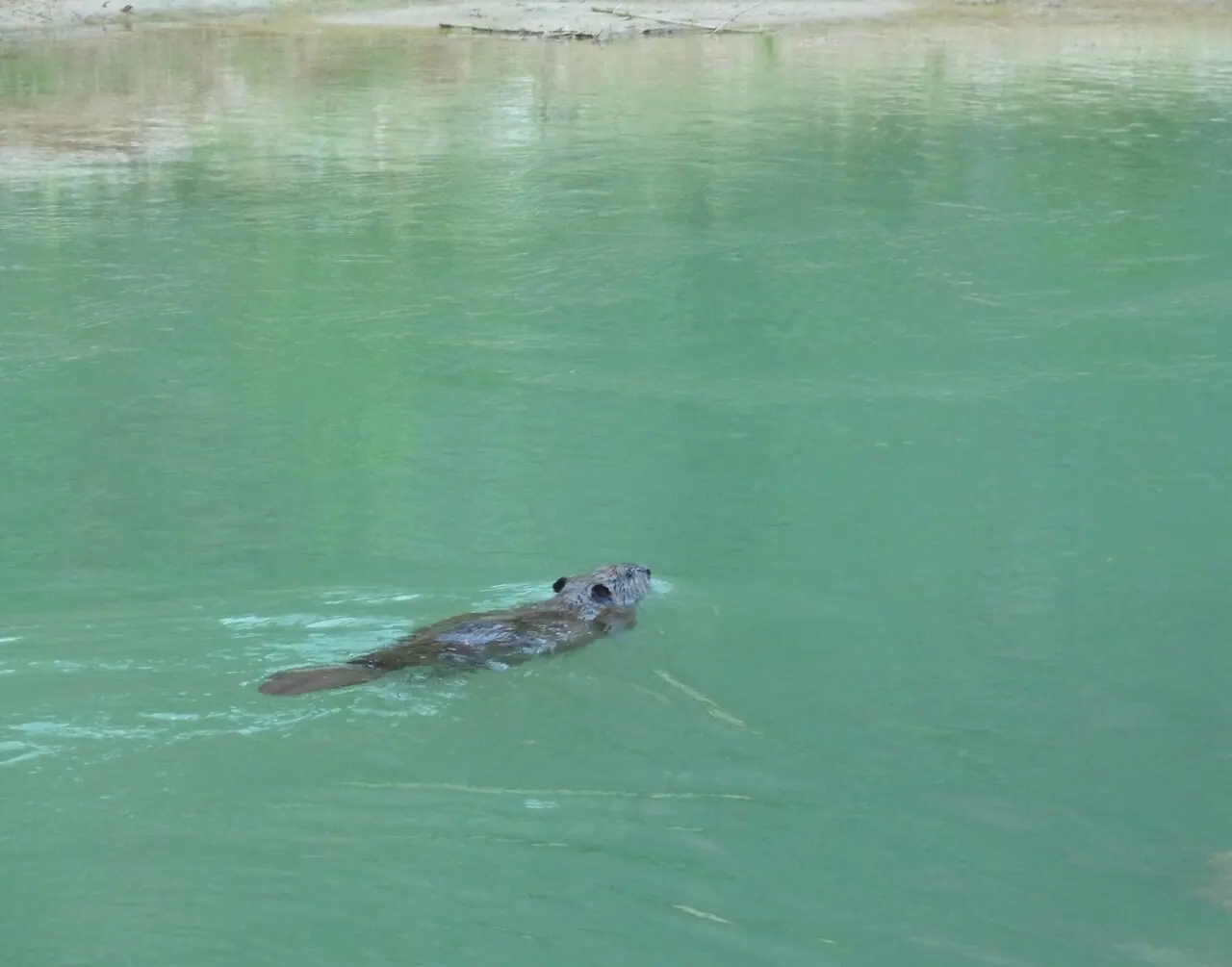
A paddle-tailed rodent whose feeding and construction can transform a stream into a complex wetland.