Bear River refuge birds
Read the refuge as a changing set of habitats, from shallow feeding flats to marsh cover and deeper water.
Everything Utah, every day.
Help Utahns understand their communities and hold government accountable. Our mission →
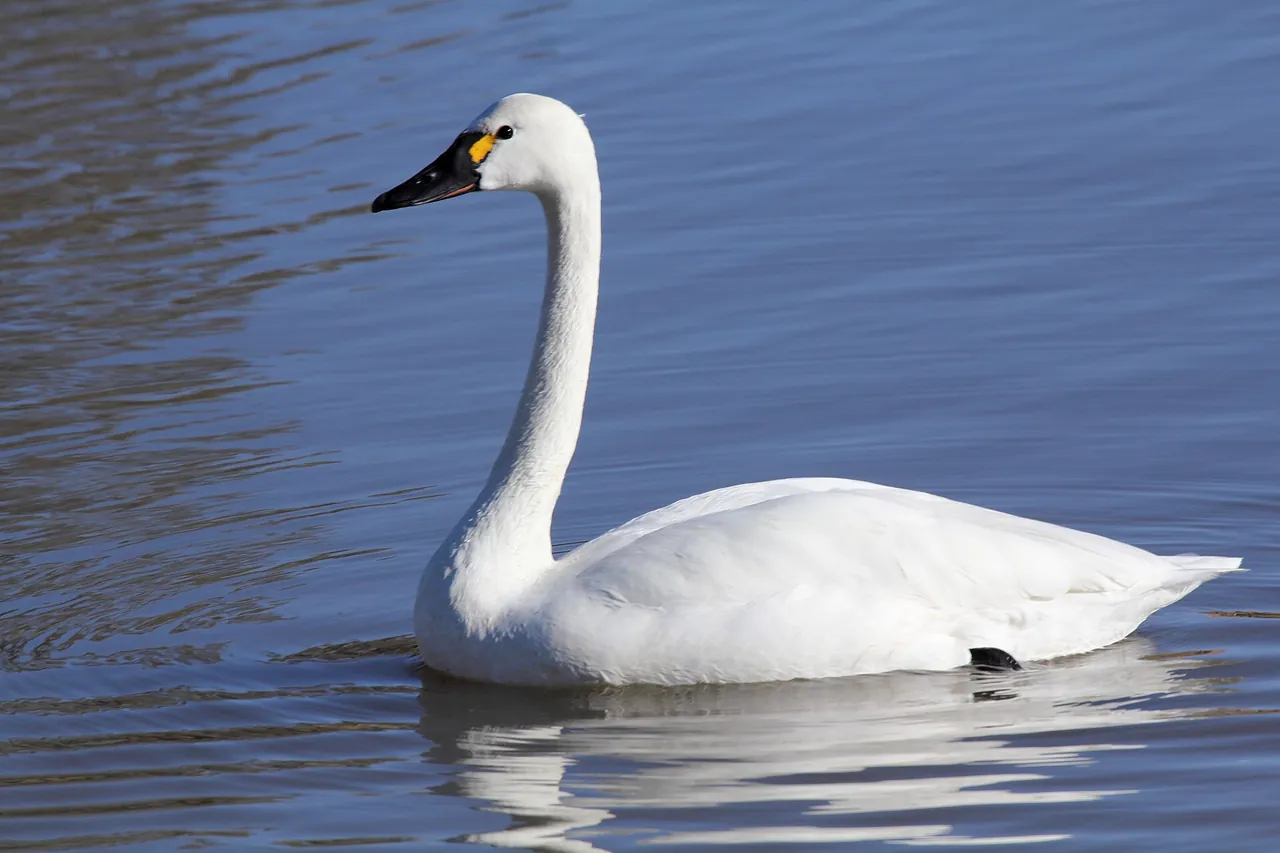
A large white migrant whose family groups link Utah's wetlands with Arctic nesting country.

Tundra swans bring an unmistakable sense of scale to a marsh, but naming a distant white swan still takes care. Adults are white with black bills; many show a small yellow patch near the eye. The patch can be hard to see, and its absence does not by itself establish that a bird is a trumpeter swan. Size, bill detail and voice need to be considered together. Their calls have a higher, more goose-like quality than the deeper trumpeting of a trumpeter.
These are long-distance travelers that move in family groups between Arctic breeding grounds and wintering areas nearer the Atlantic and Pacific coasts. Lakes and wetlands with submerged plants are particularly valuable during their journeys. Swans reach down with their long necks to feed, sometimes tipping forward to reach plant material below the surface. They also use agricultural fields during fall and winter, so a flock away from open water is not necessarily out of place.
Bear River refuge is an important Utah stopover. Its seasonal calendar places the main autumn arrival from mid-October, with birds remaining into December, although freezing conditions and other weather can alter any year's experience. A flock needs room to feed and rest between flights. Watch the ordinary behavior too: quiet feeding and family contact can tell more about the birds' lives than deliberately getting a flock airborne for a photograph.
White adult, black bill; often a yellow patch near the eye. Confirm with multiple features; young birds need a fuller field guide.
Stopover wetlands link distant Arctic nesting areas with coastal wintering grounds.
Stay in designated viewing areas, use binoculars and give flocks enough space to keep feeding or resting.

Read the refuge as a changing set of habitats, from shallow feeding flats to marsh cover and deeper water.

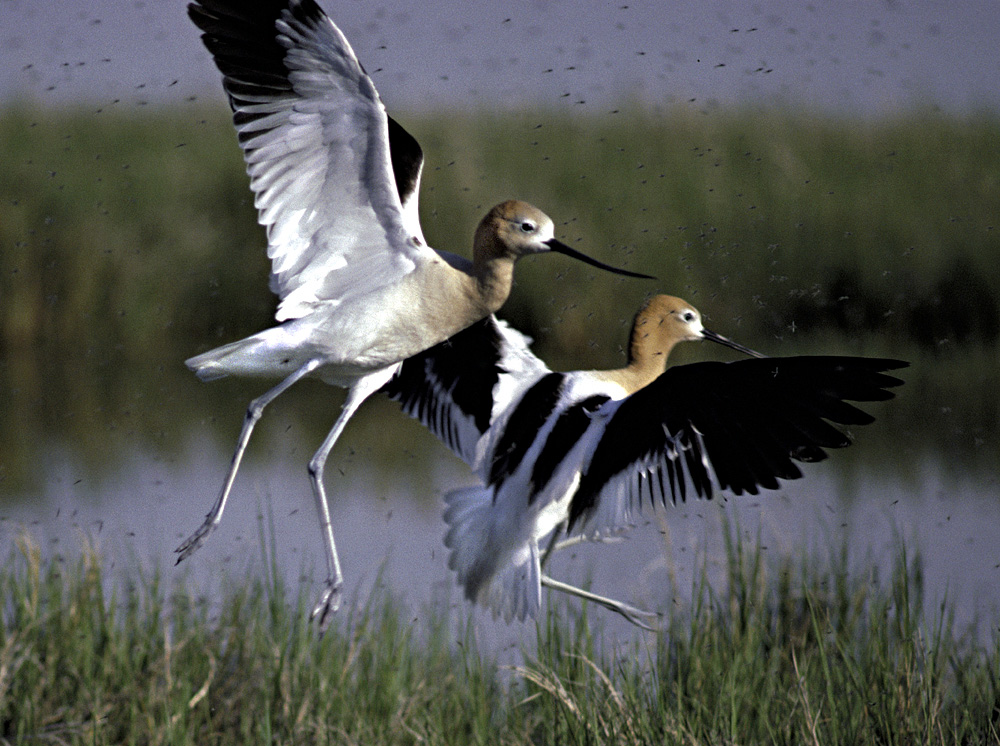
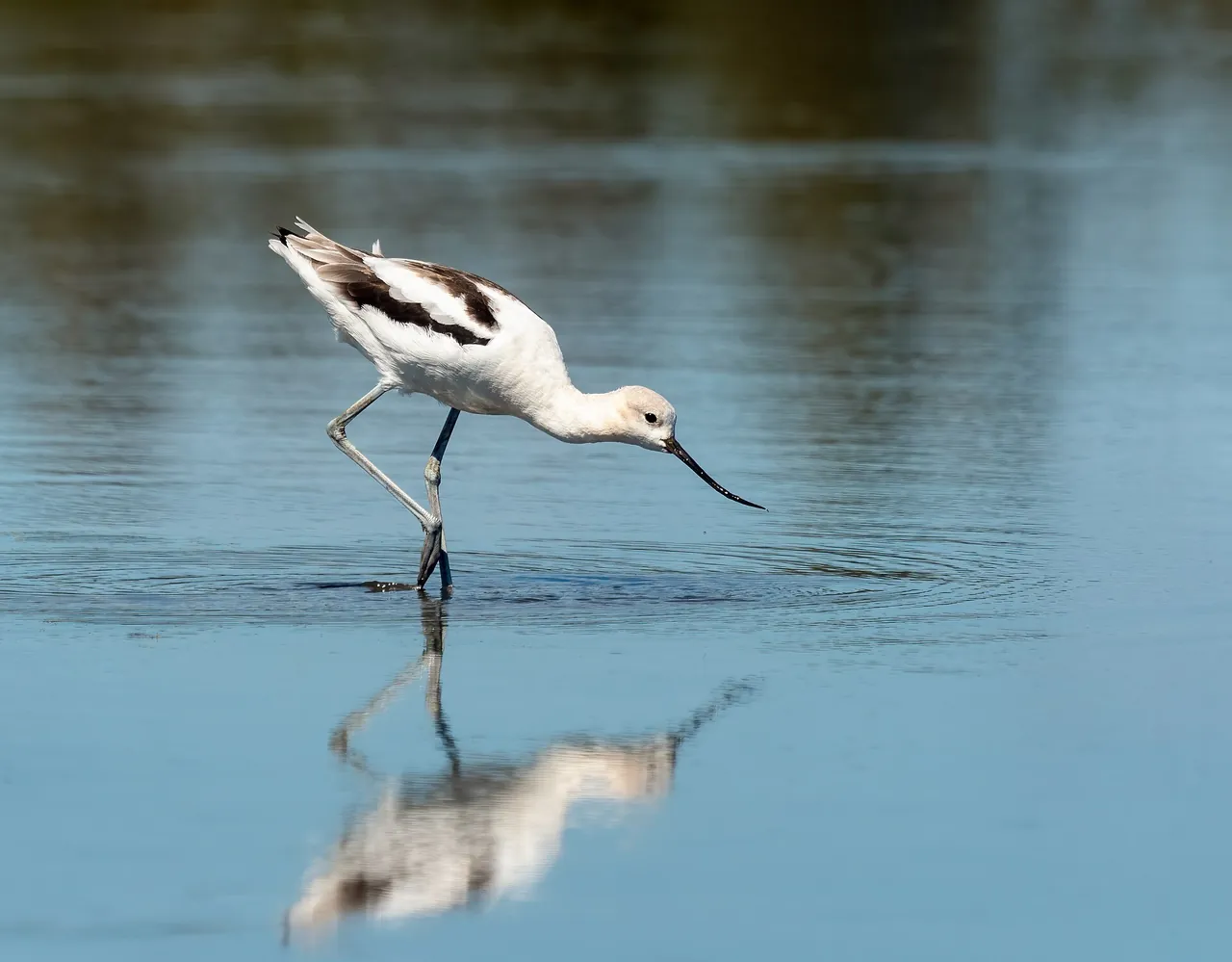
An upturned bill, blue-gray legs and a sweeping feeding motion make this wetland shorebird especially distinctive.

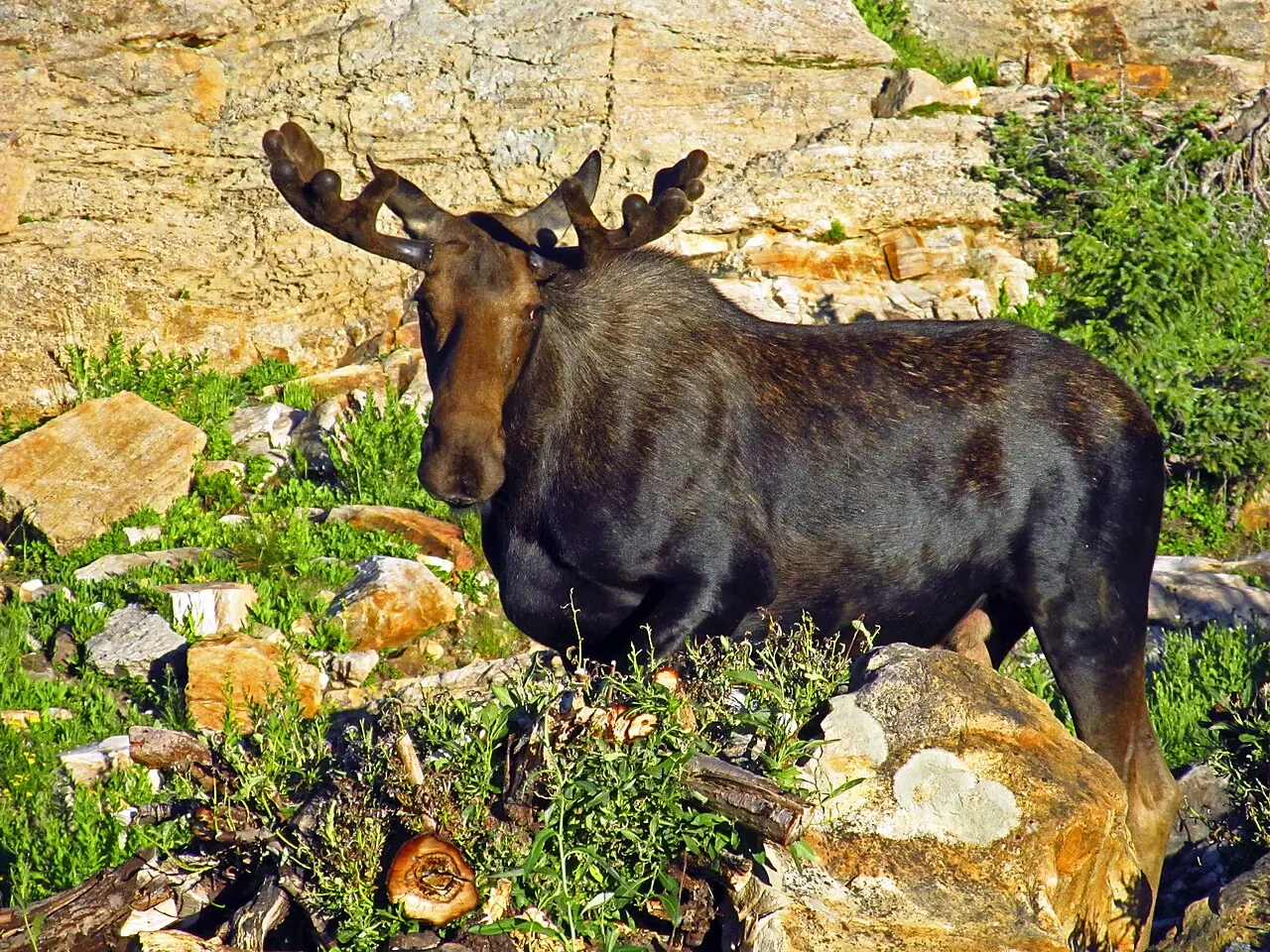
The largest member of the deer family in Utah, at home where northern mountain forest meets water.

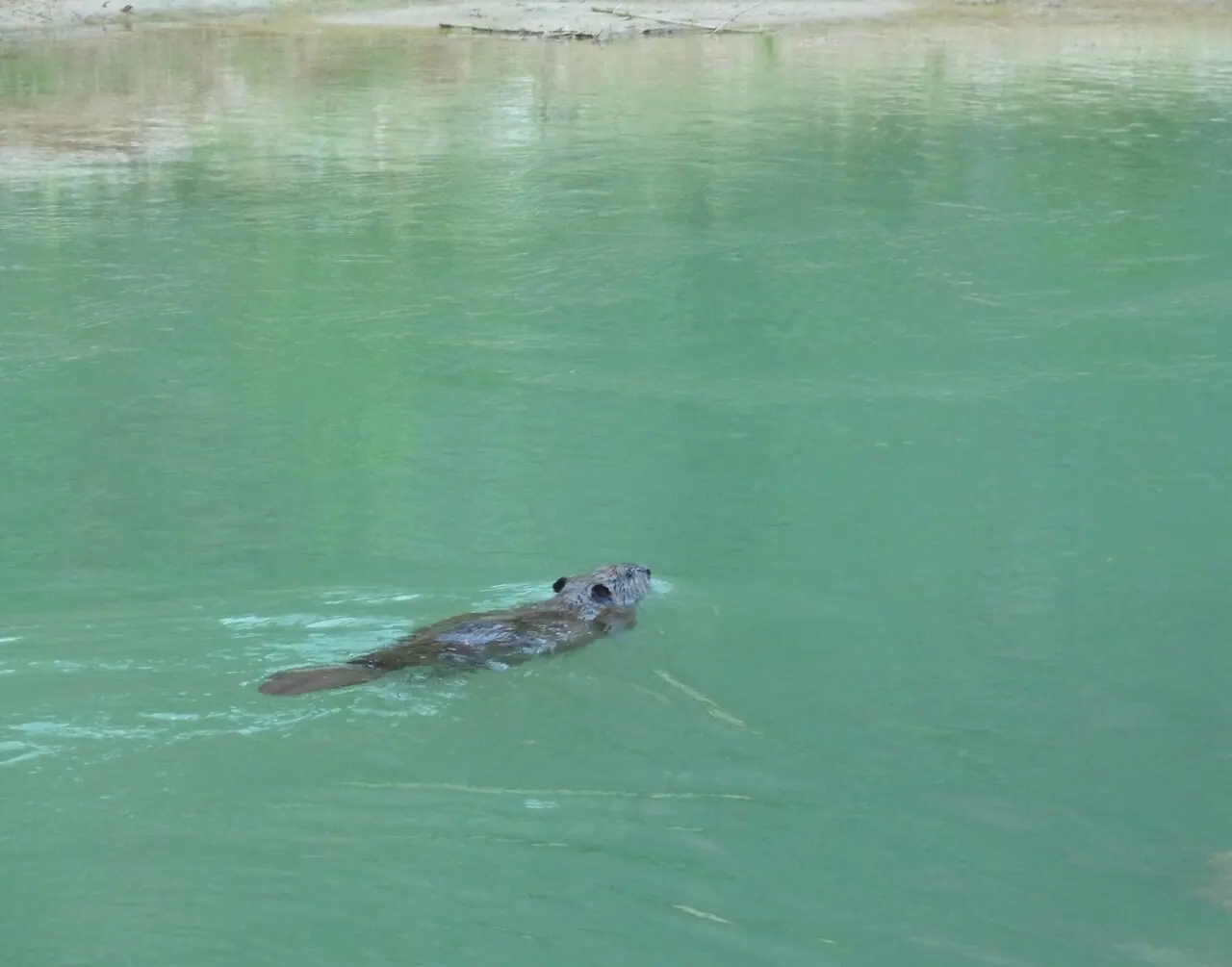
A paddle-tailed rodent whose feeding and construction can transform a stream into a complex wetland.