Published by Paul Ivinskas
Saturday, October 24, 2026

Everything Utah, every day.

Help Utahns understand their communities and hold government accountable. Our mission →

Wildlife & plants · Invertebrates

Brine shrimp and brine flies

Tiny crustaceans and insects carry energy from Great Salt Lake's microscopic producers to its birds.

A magnified Artemia franciscana brine shrimp against a dark background
Species reference photograph: Artemia franciscana brine shrimp. The source does not say where the specimen was collected. · Cropped to fit. Photo: Biodiversity Institute of Ontario · CC BY 3.0 · Wikimedia Commons

Brine shrimp and brine flies are different animals with different life cycles. A brine shrimp is a small aquatic crustacean, while a brine fly is an insect whose winged adult is the familiar shoreline form. Algae and other tiny organisms support this food web; shrimp and flies make that production available to feeding birds. The lake is not biologically empty because it is salty, and the two conspicuous invertebrate groups should not be mistaken for its entire diversity of life.

Shrimp populations renew through hard-walled cysts containing dormant embryos. In favorable conditions, females can also produce live young. Temperature, salinity and other conditions influence development and reproduction, so the rhythm is more complicated than a fixed date on the calendar. The cyst stage helps bridge difficult periods, including winter. It also supports a commercial harvest: DWR monitors the population and regulates collection with the aim of leaving enough cysts to sustain the lake's next generation.

Brine flies pass through egg, larval, pupal and adult stages. Much of their life happens in the water, where immature stages feed and develop; adults are short-lived. Larvae can overwinter below the surface. The living shoreline therefore includes more than the cloud of adults a visitor notices. Keeping feet and equipment off fragile lake-bottom structures and leaving feeding birds undisturbed helps protect the setting in which these small animals support a much more visible migration.

How to recognize it

Swimming shrimp are crustaceans; shoreline flies are insects. Do not identify all small lake insects as one species.

Conservation

Lake conditions affect the food web; commercial shrimp-cyst harvest is managed separately from wildlife watching.

Watching and staying safe

Watch from established access areas. Do not collect animals, disturb lake-bottom structures or push feeding birds away from the shore.

Places the sources name

Examples from the sources, not a complete range or a sighting guide.

Related profiles

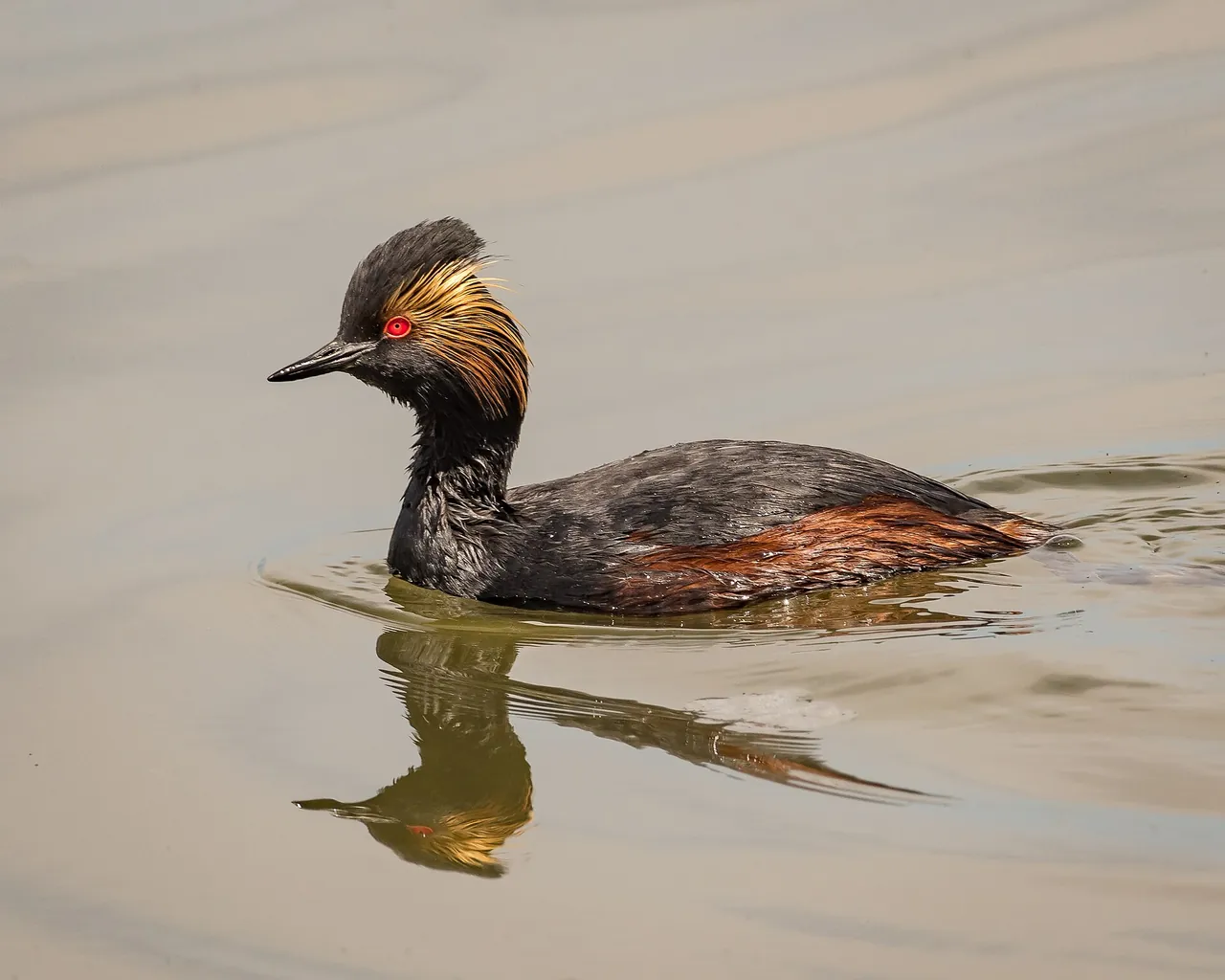
An eared grebe (black-necked grebe) in breeding plumage on the water
File photo: an eared grebe (black-necked grebe) in breeding plumage on the water. Photo: Becky Matsubara from El Sobrante, California · CC BY 2.0 · Wikimedia Commons
Birds

Eared grebe

A small diving bird whose long autumn stopovers reveal the importance of Great Salt Lake's invertebrate food supply.
Podiceps nigricollis

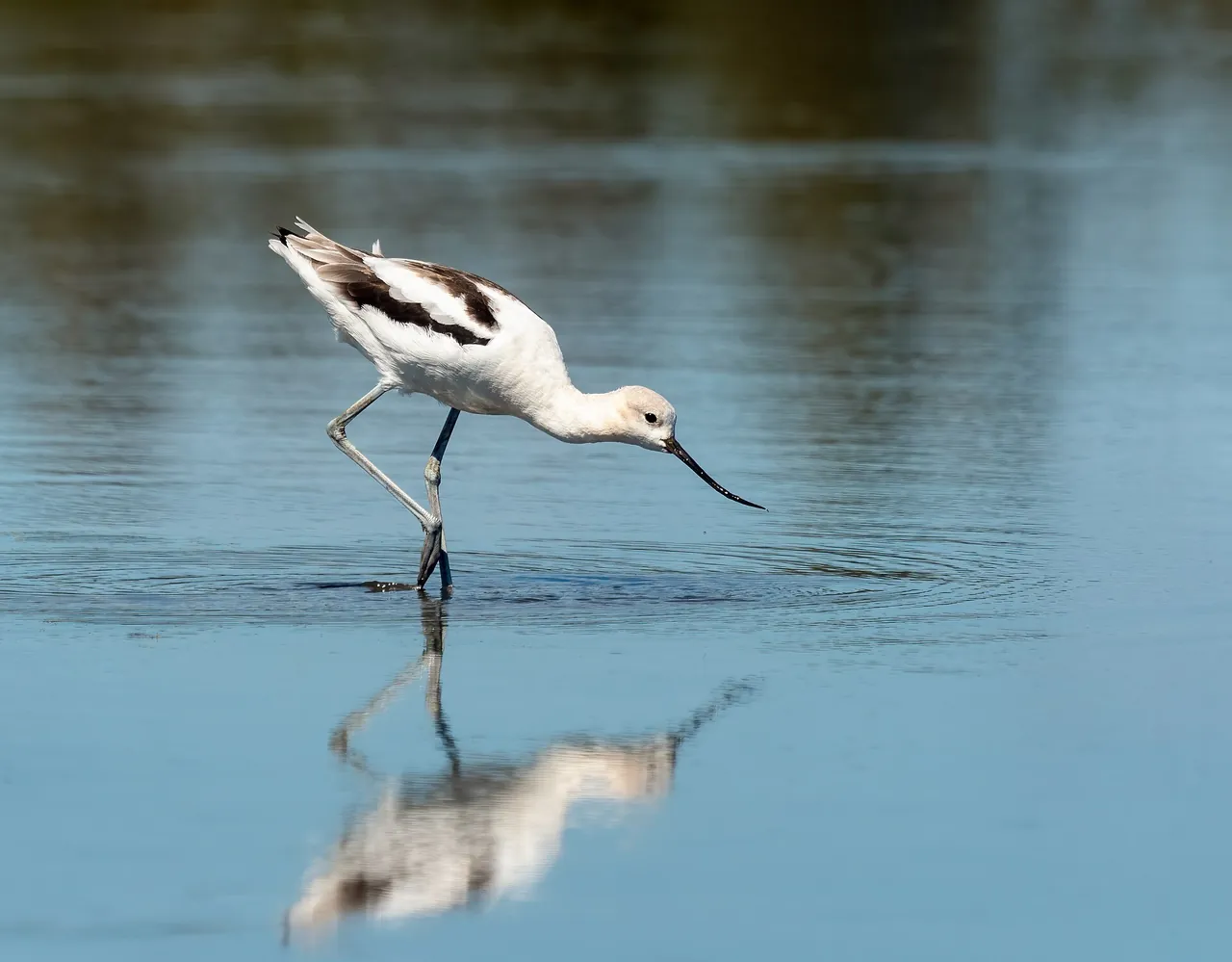
American avocet wading in shallow water with its upturned bill
File photo: american avocet wading in shallow water with its upturned bill. Photo: Rhododendrites · CC BY-SA 4.0 · Wikimedia Commons
Birds

American avocet

An upturned bill, blue-gray legs and a sweeping feeding motion make this wetland shorebird especially distinctive.

Recurvirostra americana

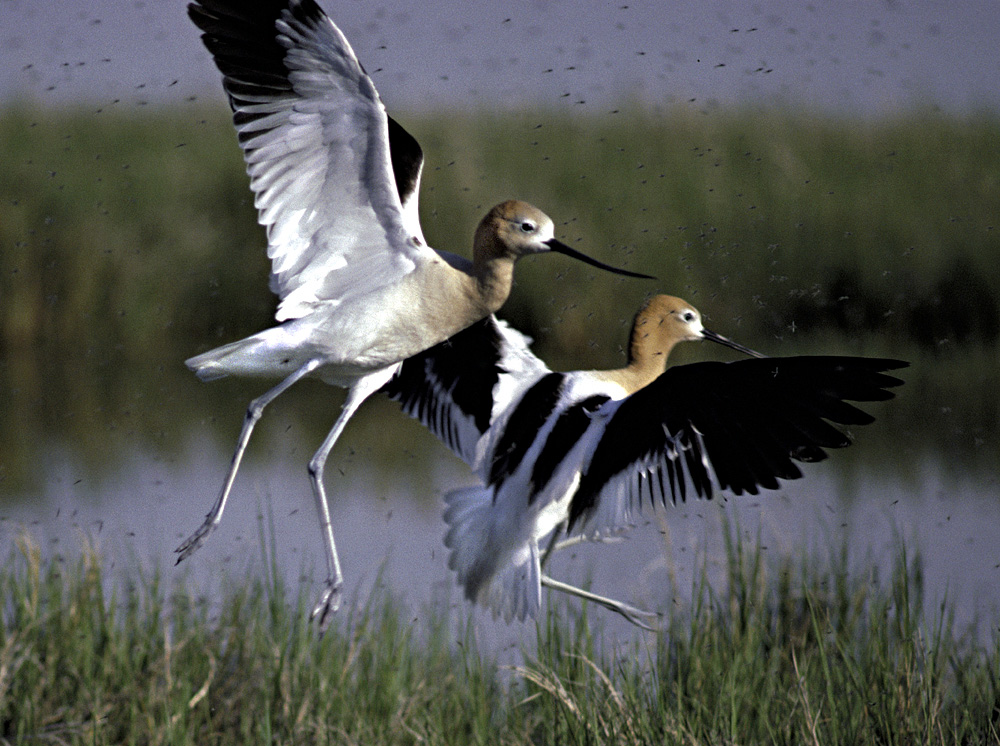
American avocets with raised wings at Bear River Migratory Bird Refuge
File photo: American avocets with raised wings at Bear River Migratory Bird Refuge. Photo: U.S. Fish and Wildlife Service · Public domain · Wikimedia Commons
Birds

Bear River refuge birds

Read the refuge as a changing set of habitats, from shallow feeding flats to marsh cover and deeper water.

Saved on this device. Statewide news and alerts remain available.