Published by Paul Ivinskas
Saturday, October 24, 2026

Everything Utah, every day.

Help Utahns understand their communities and hold government accountable. Our mission →

Wildlife & plants · Mammals

Pronghorn

An open-country specialist with a white rump, unusual shedding horn sheaths and a need for connected habitat.

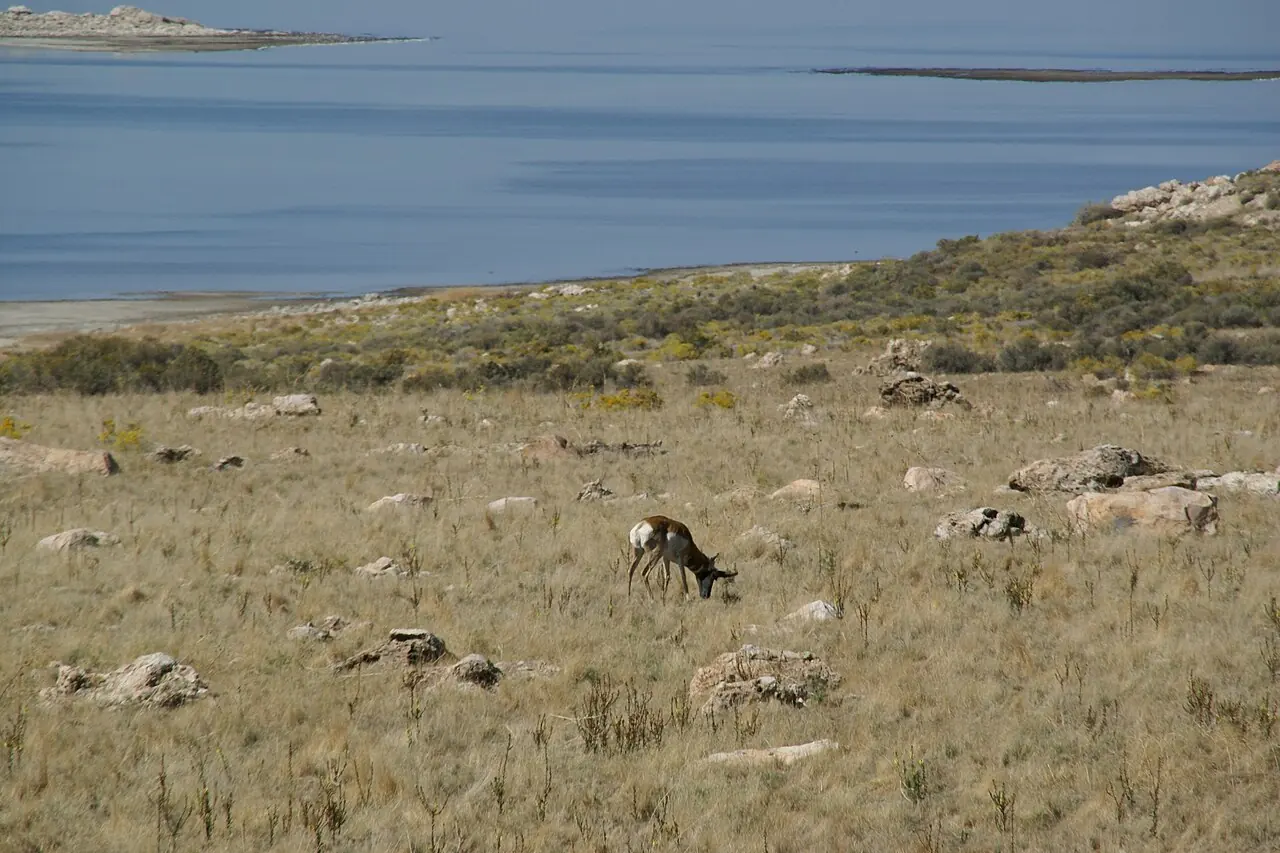
Pronghorn grazing on Antelope Island above Great Salt Lake
File photo: Pronghorn grazing on Antelope Island above Great Salt Lake (2012-10-01 11:29:47) · Cropped to fit. Photo: Hermann Luyken · CC0 · Wikimedia Commons

A pronghorn's tan back, white underside and broad white rump patch distinguish it from the deer sharing Utah's open landscapes. It belongs to its own family rather than the deer family. A buck's dark horns have a forward prong and backward-curving tips. Many females also have horns, but these are much smaller and usually lack the prong. The bony core stays in place while the outer sheath is shed and replaced, a different process from a deer losing an entire antler.

Open ground is central to pronghorn life. Grasslands, broad basins and low shrublands provide both food and a long view of approaching danger. Their menu includes leafy wildflowers, sagebrush and other shrubs as well as some grasses; calling them simply grass eaters misses much of that diet. Their speed is remarkable, but watching a group browse, bed down or scan the horizon offers a fuller picture than seeing animals forced to run.

Connected habitat matters even for an animal that can cover ground quickly. Utah's management plan identifies fences and other barriers to seasonal movements as issues to address, alongside protecting forage and habitat. At Bryce Canyon, the park recommends open country for observation from late spring through fall. That is a local seasonal pattern rather than a statewide calendar: weather, elevation and movements between ranges affect where pronghorn are found.

How to recognize it

Tan upper body; large white rump and belly; buck's dark pronged horns; females may have small horns.

Conservation

Utah management emphasizes connected habitat and reducing movement barriers.

Watching and staying safe

Stop only in safe pullouts. Do not chase animals, approach concealed fawns or crowd a herd against a fence.

Places the sources name

Examples from the sources, not a complete range or a sighting guide.

Related profiles

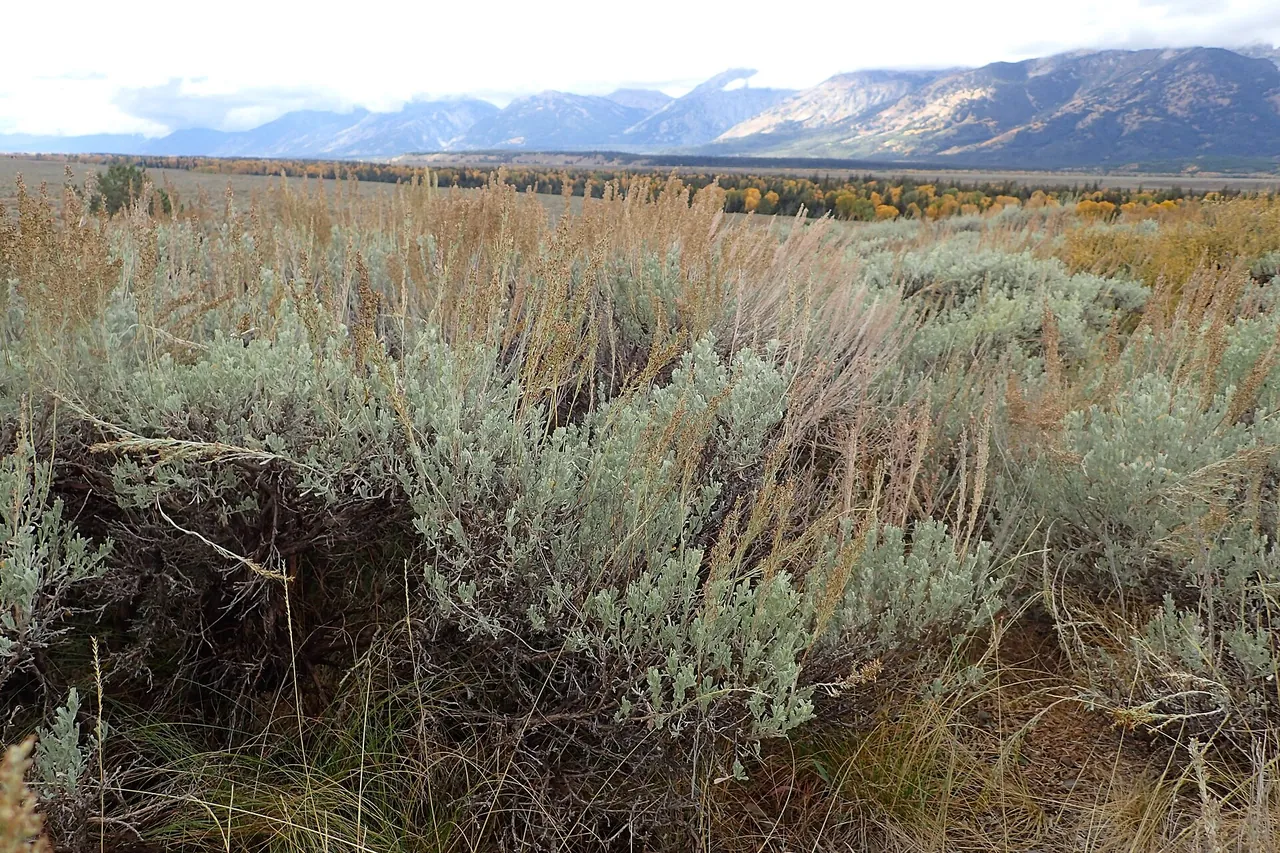
Big sagebrush stretching across open country toward distant mountains
File photo: big sagebrush stretching across open country toward distant mountains. Photo: Krzysztof Ziarnek, Kenraiz · CC BY-SA 4.0 · Wikimedia Commons
Shrubs

Big sagebrush

A foundational shrub of Utah's open country, with small gray-green leaves and an outsized role in wildlife habitat.
Artemisia tridentata

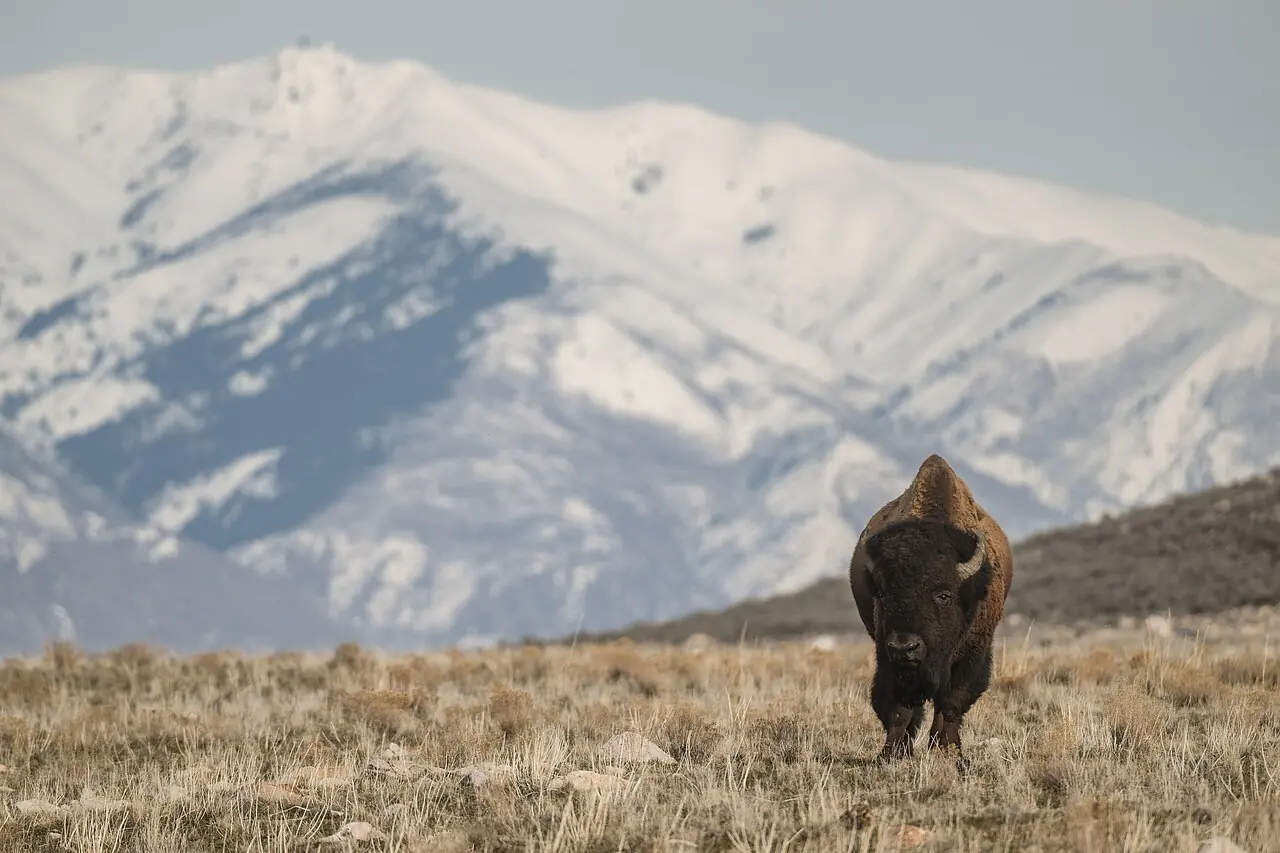
A bison on Antelope Island with snowy Wasatch Mountains behind it
File photo: A bison on Antelope Island with snowy Wasatch Mountains behind it (Taken on 18 March 2023, 19:26:38). Photo: Eric Kilby · CC BY-SA 2.0 · Wikimedia Commons
Mammals

American bison

North America's largest land animal, with wild herds on Antelope Island, in the Henry Mountains and in the Book Cliffs.

Bison bison

Saved on this device. Statewide news and alerts remain available.