Published by Paul Ivinskas
Saturday, October 24, 2026

Everything Utah, every day.

Help Utahns understand their communities and hold government accountable. Our mission →

Wildlife & plants · Mammals

Rocky Mountain elk

Utah's state mammal, best known for the fall bugling of bulls during the rut.

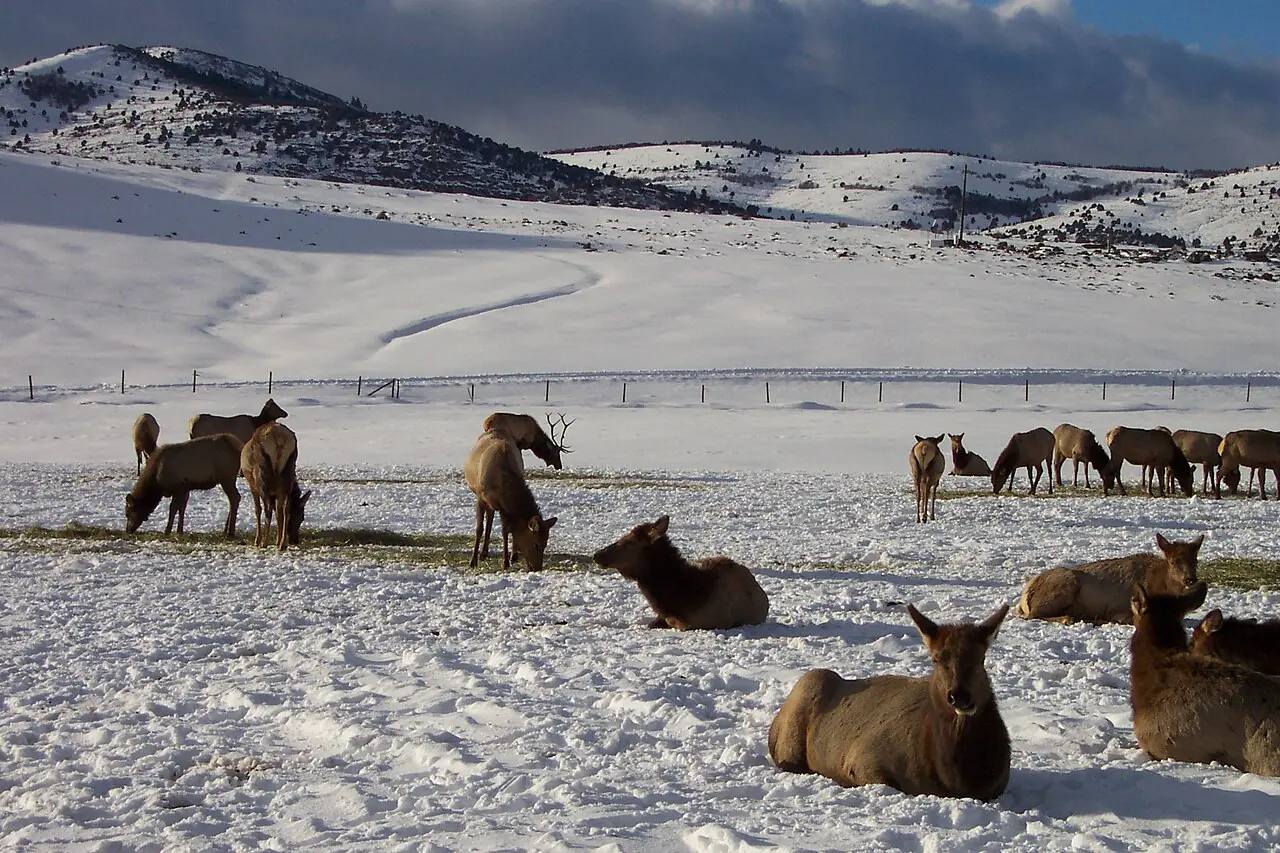
Elk resting and grazing in snow at Hardware Ranch
File photo: Elk at Hardware Ranch, Utah, January 2011 · Cropped to fit. Photo: runt35 · CC BY 3.0 · Wikimedia Commons

Rocky Mountain elk are the only elk in Utah and have been the state mammal since 1971. Both sexes have a light-brown body, dark brown head, neck and legs, and a cream-colored rump. Bulls average about 700 pounds and 5 feet at the shoulder; cows are a little smaller. Only bulls grow antlers. While a new set grows, it is bone fed by blood vessels in a covering of fine hair called velvet. Before the breeding season the velvet dries up and the bull rubs it off on brush, which leaves the antlers in place. The antlers themselves drop off in winter or early spring, after the rut, and a new set grows from the bony bases on the skull, so a big rack is regrown each year.

Elk are found in mountain habitat throughout Utah. In summer they live high, usually between 6,000 and 10,000 feet, and favor aspen forest for food and shelter. In late fall most move down to winter range with less snow, gathering in valley bottoms and on south-facing slopes. From early September through mid-October, bulls bugle and gather groups of cows. The loud call draws cows and warns rival bulls off.

Watching and staying safe

Elk usually avoid people but can be aggressive toward people and dogs, especially during the rut. An agitated elk raises its head, lays its ears back and flares its nostrils. If you find a calf alone, keep your distance and leave it; the cow is usually nearby. Feeding elk is strongly discouraged.

Related profiles

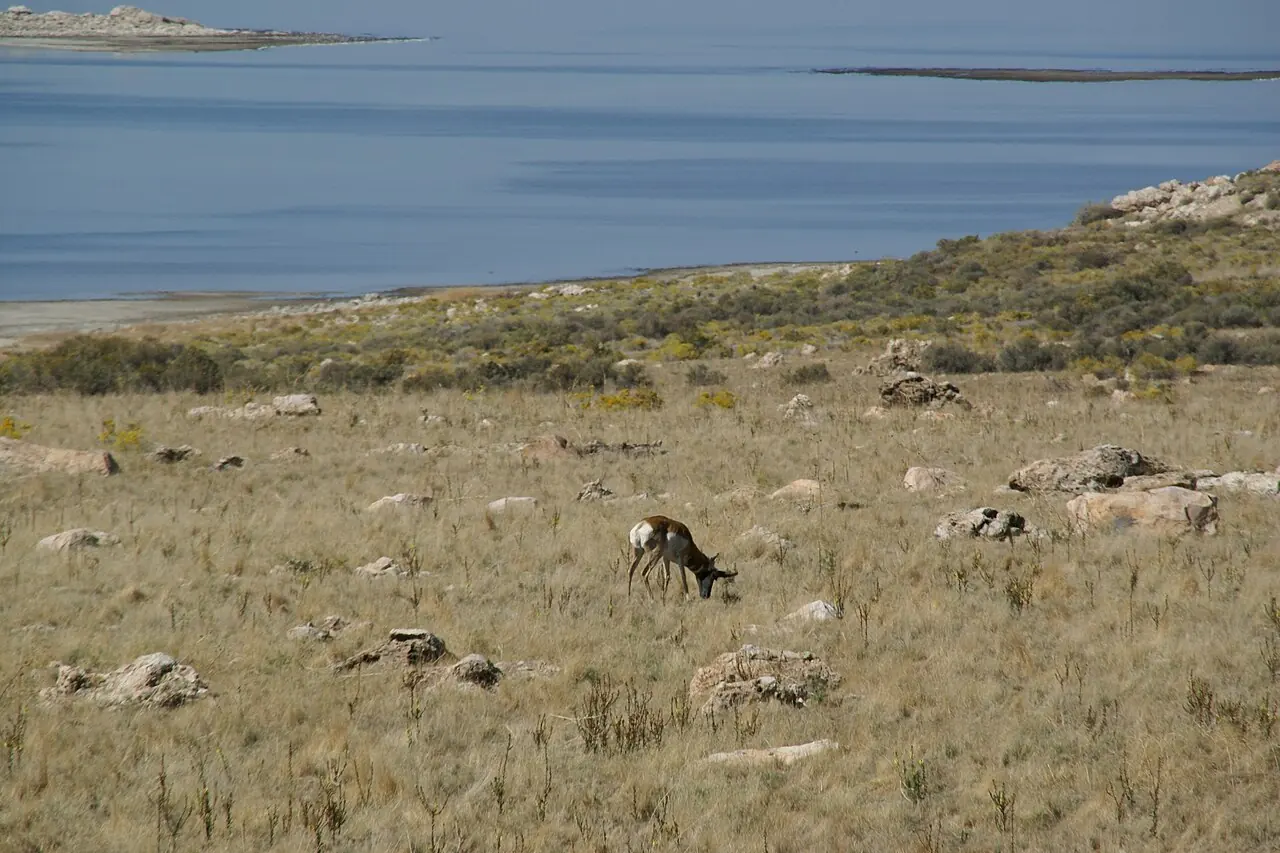
Pronghorn grazing on Antelope Island above Great Salt Lake
File photo: Pronghorn grazing on Antelope Island above Great Salt Lake (2012-10-01 11:29:47). Photo: Hermann Luyken · CC0 · Wikimedia Commons
Mammals

Pronghorn

An open-country specialist with a white rump, unusual shedding horn sheaths and a need for connected habitat.
Antilocapra americana

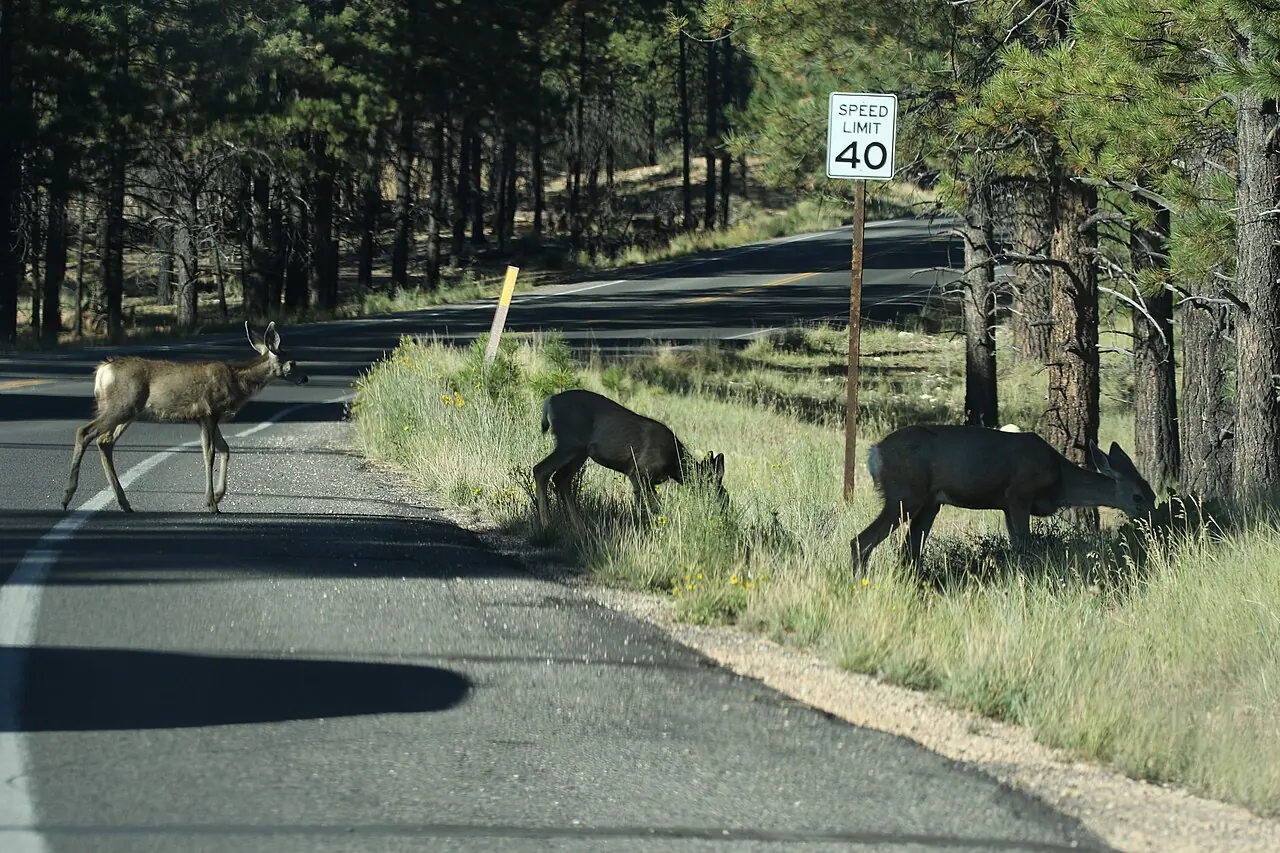
Mule deer beside and crossing a paved road at Bryce Canyon
File photo: Mule deer beside and crossing a paved road at Bryce Canyon (2016-09-19 01:15). Photo: Donald Hobern from Copenhagen, Denmark · CC BY 2.0 · Wikimedia Commons
Mammals

Mule deer

Found across Utah, from high mountains to city neighborhoods, and named for its large, mule-like ears.

Odocoileus hemionus

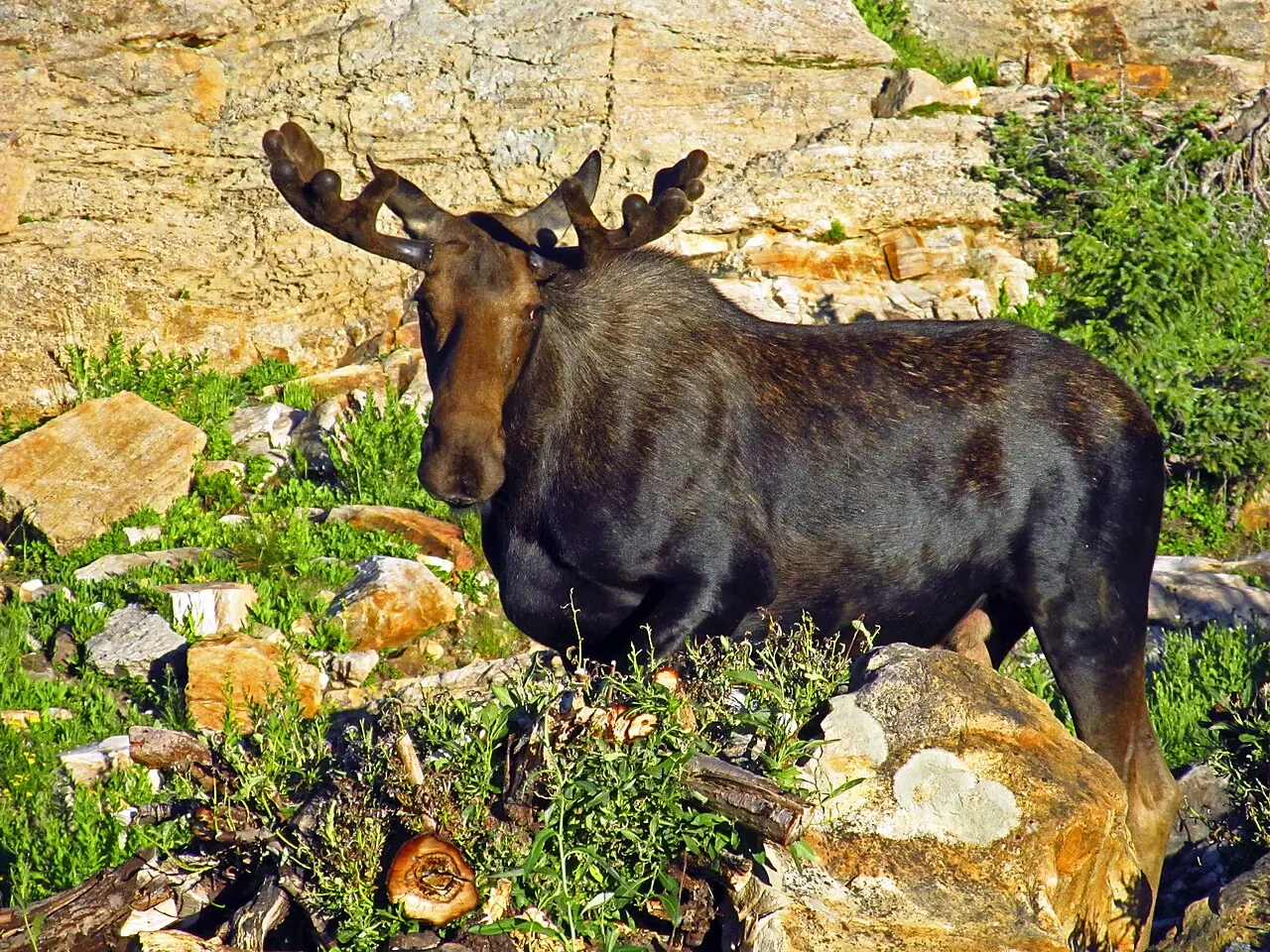
A bull moose among rocks and low vegetation at Cecret Lake
File photo: A bull moose among rocks and low vegetation at Cecret Lake (2012-07-25). Photo: BBernardicius · CC BY-SA 3.0 · Wikimedia Commons
Mammals

Moose

The largest member of the deer family in Utah, at home where northern mountain forest meets water.

Alces alces

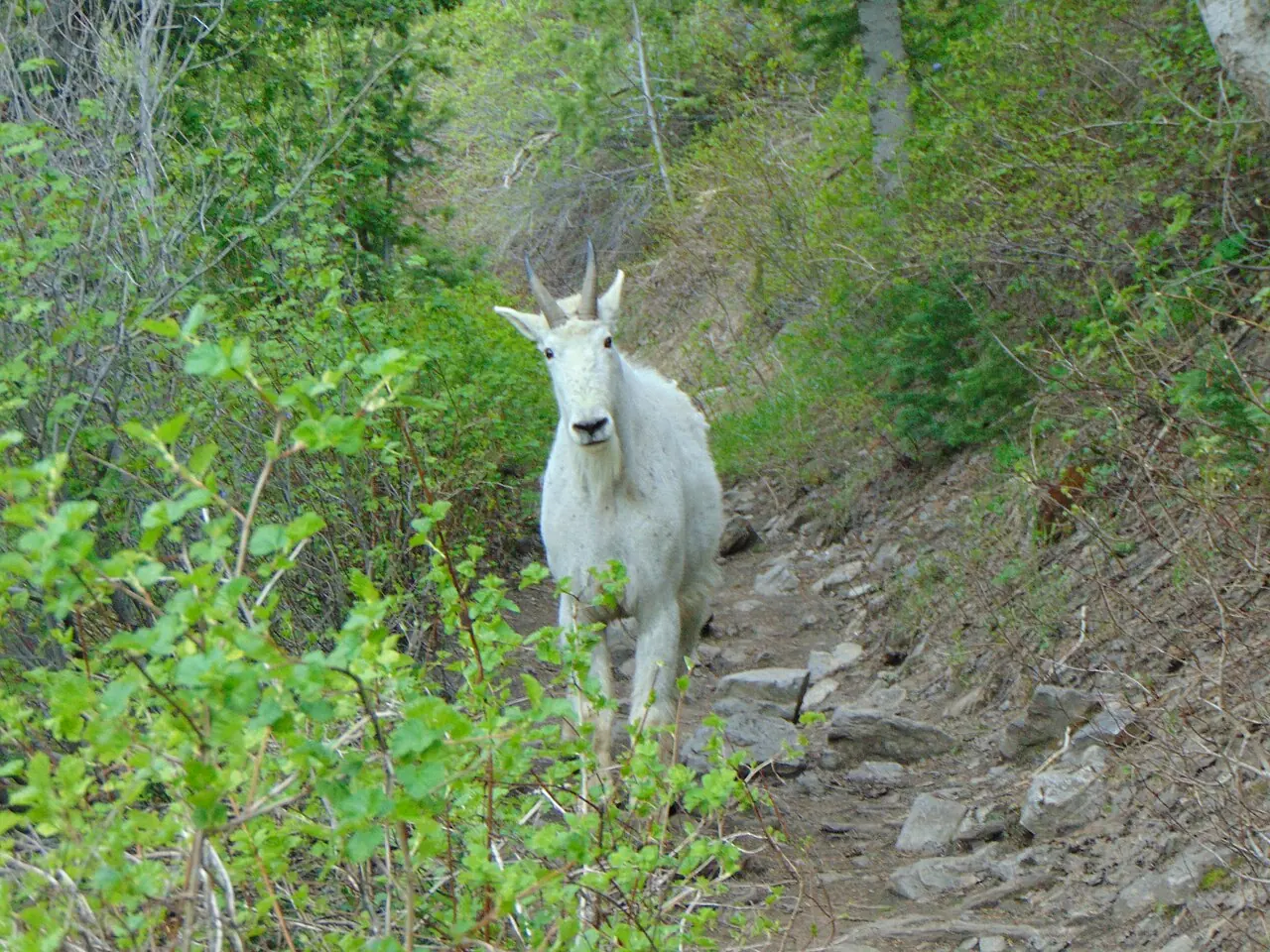
A mountain goat standing on a trail on Mount Timpanogos
File photo: A mountain goat standing on a trail on Mount Timpanogos (Taken on 2 June 2016, 20:03:35). Photo: An Errant Knight · CC BY-SA 4.0 · Wikimedia Commons
Mammals

Mountain goat

White climbers of the high rock, brought to Utah starting in 1967.

Oreamnos americanus

Saved on this device. Statewide news and alerts remain available.