Published by Paul Ivinskas
Saturday, October 24, 2026

Everything Utah, every day.

Help Utahns understand their communities and hold government accountable. Our mission →

Wildlife & plants · Shrubs

Big sagebrush

A foundational shrub of Utah's open country, with small gray-green leaves and an outsized role in wildlife habitat.

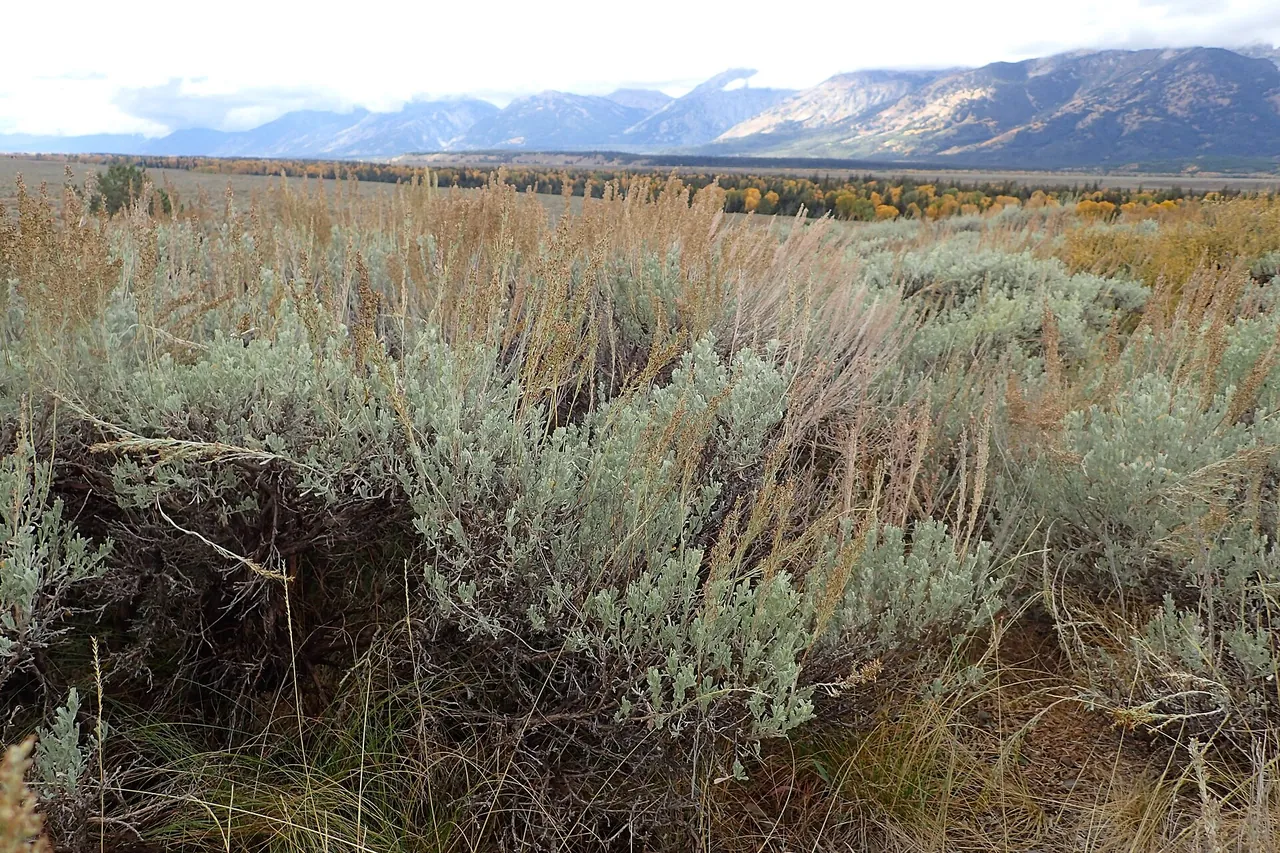
Big sagebrush stretching across open country toward distant mountains
File photo: big sagebrush stretching across open country toward distant mountains · Cropped to fit. Photo: Krzysztof Ziarnek, Kenraiz · CC BY-SA 4.0 · Wikimedia Commons

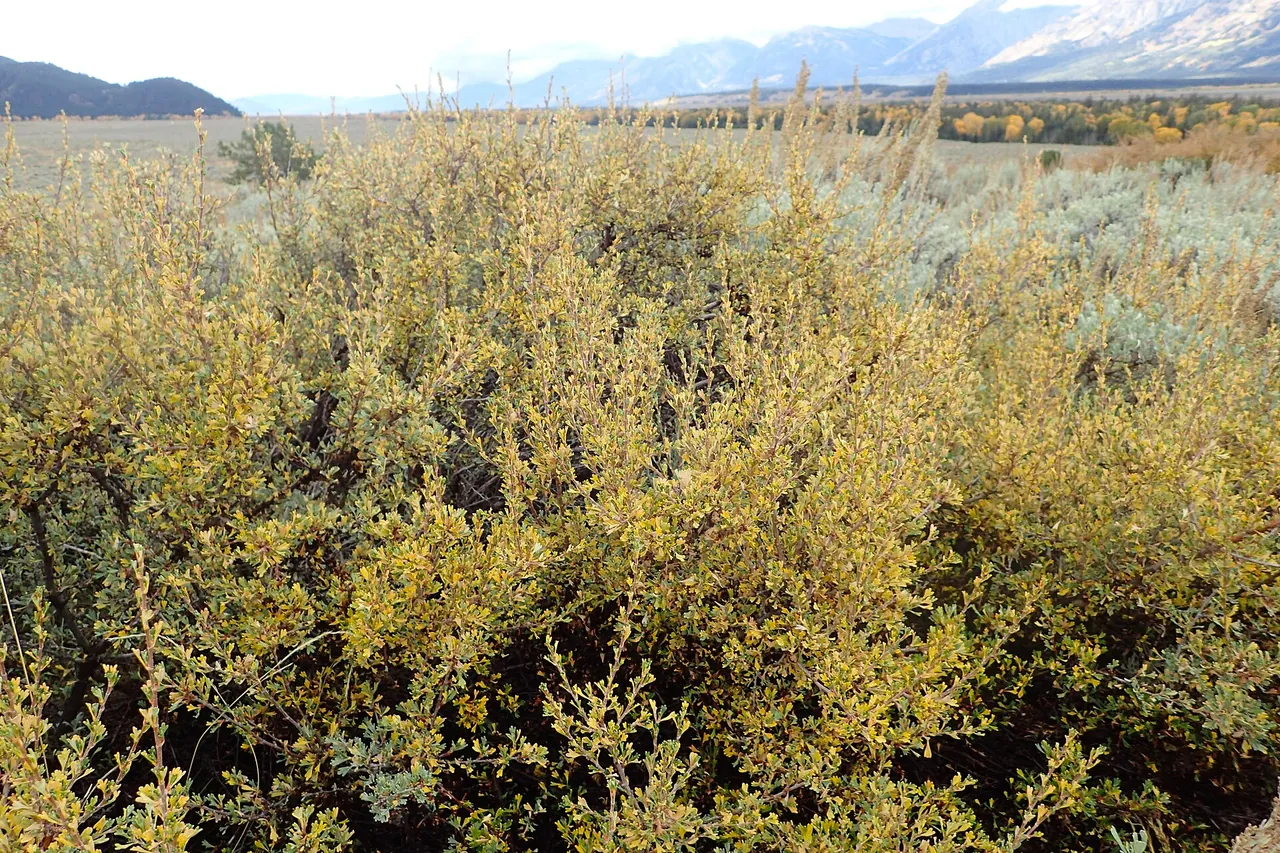
Big sagebrush is easy to overlook until a broad valley is seen as habitat rather than empty ground. Its branching woody stems carry small gray-green leaves, many with three shallow teeth at the tip. Some leaves are unlobed, and several other shrubs can look similar from a distance. The flowers are small and inconspicuous, unlike the bright yellow clusters on rabbitbrush. Utah populations occupy an extensive elevation range, from dry basins to mountain slopes, with size and form changing markedly among sites.

The name includes several subspecies with different environmental preferences. Low, warm, dry sites and cooler mountain settings do not support interchangeable sagebrush communities. Big sagebrush retains foliage through the year, although leaf production and shedding change seasonally. The leaves and the shrub's physical cover matter especially in winter. Sage-grouse depend on sagebrush for food and shelter, while other animals use the broader mixture of shrubs, native grasses, and flowering plants. Looking at the plants between shrubs reveals another important part of the community.

Recovery after fire can be slow because big sagebrush establishes from seed instead of simply resprouting from burned stems. Invasive annual grasses can increase fire frequency and make recovery more difficult, particularly in warm, dry settings. This is a reason to protect intact vegetation and prevent new disturbance, not a simple prescription for managing every site. Stay on existing routes and clean seeds and soil from footwear before visiting another area.
How to recognize it

Gray-green small leaves, often three-toothed; tiny flower clusters. Neither odor nor three teeth alone establishes identity.

Seeing it

Look without crushing or collecting foliage; use established routes.

Related profiles

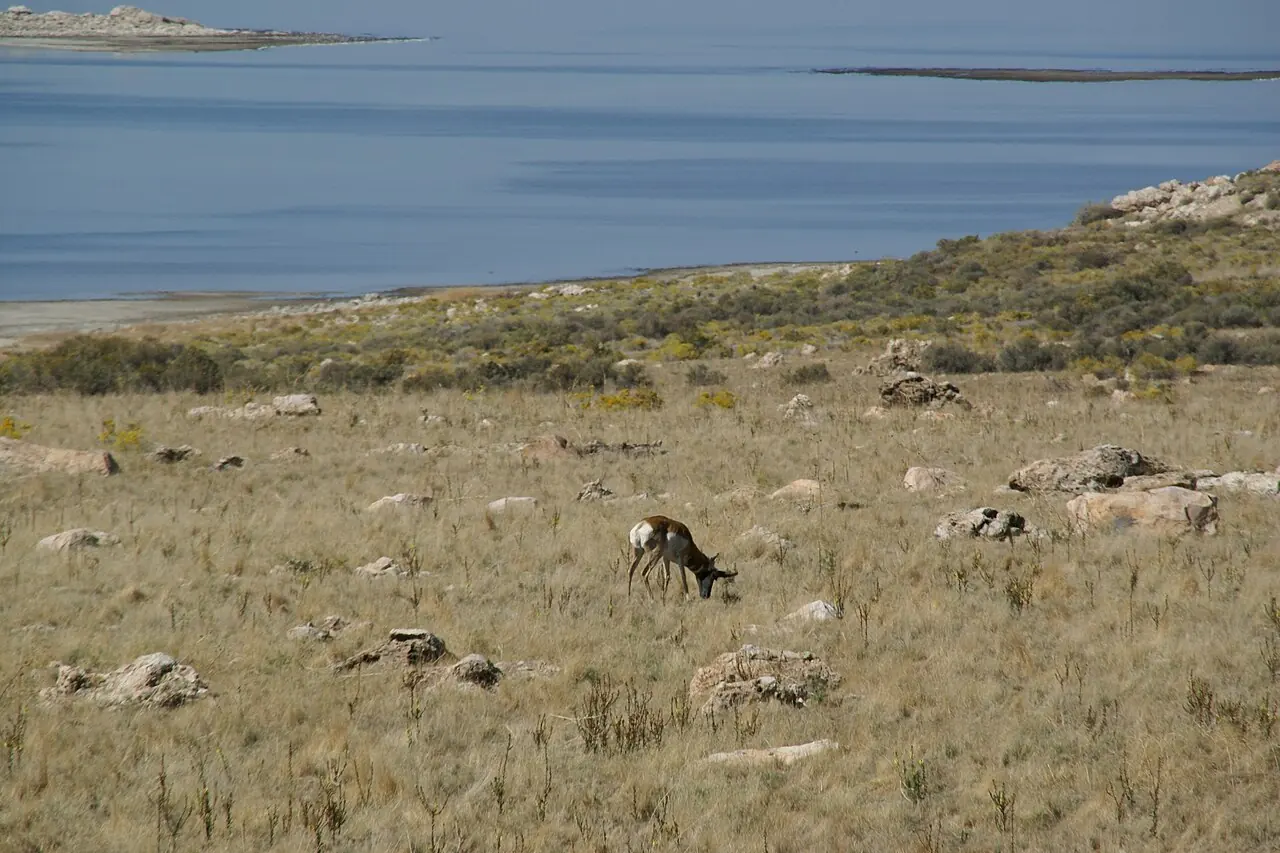
Pronghorn grazing on Antelope Island above Great Salt Lake
File photo: Pronghorn grazing on Antelope Island above Great Salt Lake (2012-10-01 11:29:47). Photo: Hermann Luyken · CC0 · Wikimedia Commons
Mammals

Pronghorn

An open-country specialist with a white rump, unusual shedding horn sheaths and a need for connected habitat.

Antilocapra americana

Antelope bitterbrush shrub in autumn color on open sagebrush country
File photo: antelope bitterbrush shrub in autumn color on open sagebrush country. Photo: Krzysztof Ziarnek, Kenraiz · CC BY-SA 4.0 · Wikimedia Commons
Shrubs

Antelope bitterbrush

A drought-tolerant shrub with small three-lobed leaves, pale yellow flowers, and a major role in winter browse.

Purshia tridentata

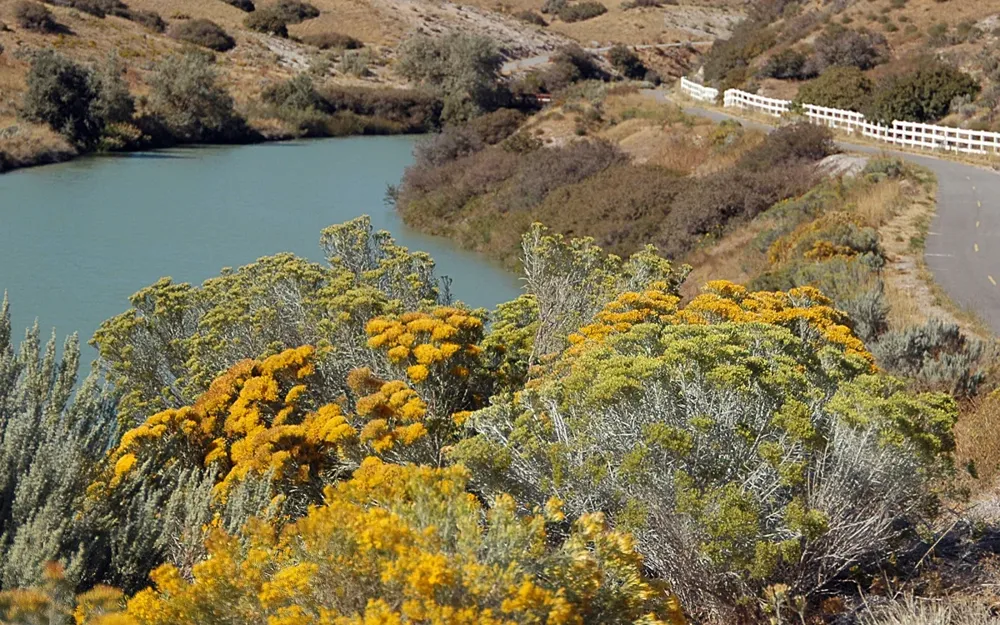
Yellow-flowering rubber rabbitbrush above the Jordan River
File photo: Yellow-flowering rubber rabbitbrush above the Jordan River — Jordan River Parkway near Salt Lake City, September 2004. Photo: Cory Maylett · CC BY-SA 4.0 · Wikimedia Commons
Shrubs

Rubber rabbitbrush

A flexible-stemmed native shrub whose late-season yellow flowers extend feeding opportunities for pollinators.

Ericameria nauseosa

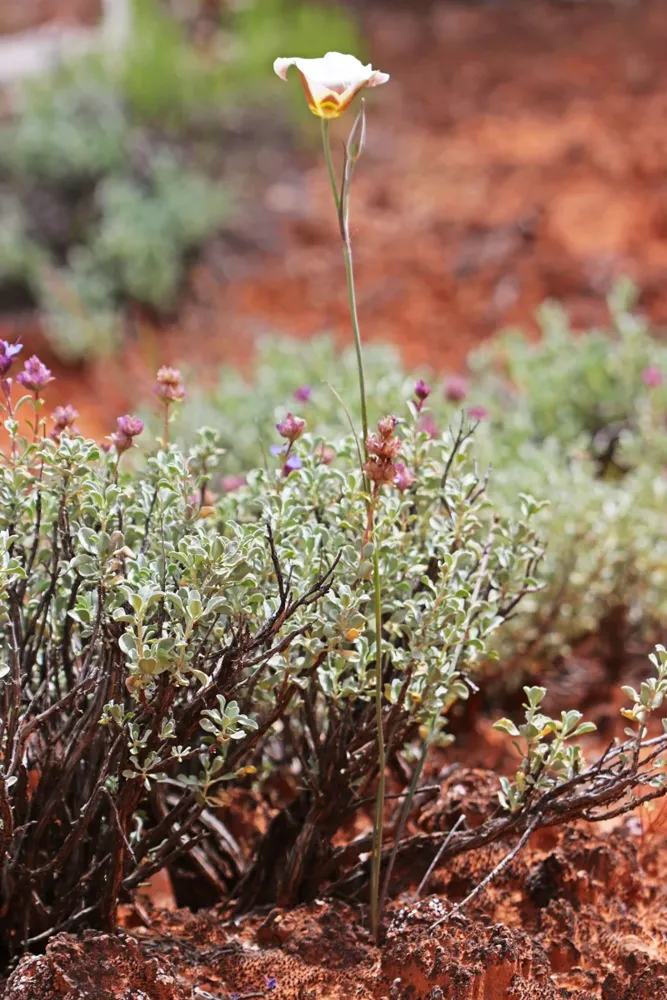
A sego lily flower on a slender stalk above low desert vegetation
File photo: A sego lily flower on a slender stalk above low desert vegetation — Johnson Lakes Canyon, Kane County, May 2016. Photo: Andrey Zharkikh from Salt Lake City, USA · CC BY 2.0 · Wikimedia Commons
Wildflowers

Sego lily

Utah's state flower briefly lifts a three-petaled cup above open, dry-country vegetation before its aboveground growth fades.

Calochortus nuttallii

Saved on this device. Statewide news and alerts remain available.