Published by Paul Ivinskas
Saturday, October 24, 2026

Everything Utah, every day.

Help Utahns understand their communities and hold government accountable. Our mission →

Wildlife & plants · Wildflowers

Sego lily

Utah's state flower briefly lifts a three-petaled cup above open, dry-country vegetation before its aboveground growth fades.

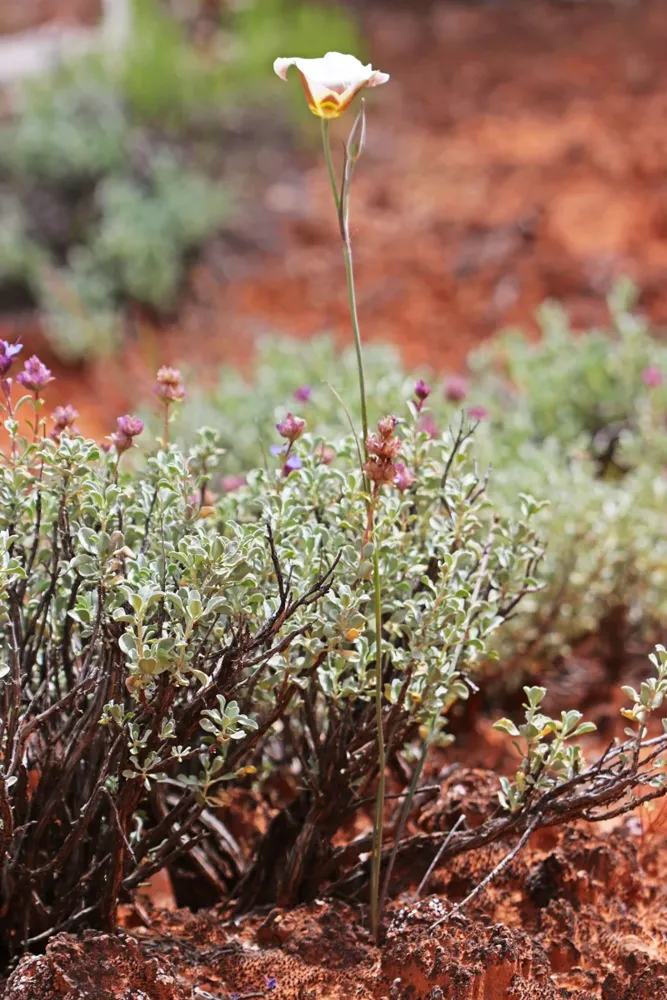
A sego lily flower on a slender stalk above low desert vegetation
File photo: A sego lily flower on a slender stalk above low desert vegetation — Johnson Lakes Canyon, Kane County, May 2016 · Cropped to fit. Photo: Andrey Zharkikh from Salt Lake City, USA · CC BY 2.0 · Wikimedia Commons

A sego lily can make a dry slope look unexpectedly delicate. Three broad petals form a cup, commonly white or cream but sometimes pinkish or lavender, with contrasting color near their bases. Three narrower sepals sit outside the petals. The leaves are slender and grasslike, and the plant may carry more than one flower. Together those features give a better introduction than the familiar white-flower image alone. Utah's state flower is a native perennial, not a plant that begins its entire life anew each spring.

Sego lilies grow in open sagebrush country, dry foothills, and some open pine woodland. In Arches, the National Park Service records them in grassland, desert-shrub, and pinyon-juniper communities. Their visible season is relatively short: the aboveground plant dries after blooming, so absence of flowers later in the year says little about whether lilies persist underground. At Arches the published bloom window is April through June; cooler sites and variable moisture make a single statewide peak unreliable.

Insects visit and pollinate the flowers, and the developing capsule holds the next generation of seeds. Leave that entire cycle in place by photographing flowers rather than picking them. Do not dig for bulbs or use grasslike leaves as a food-identification shortcut. The delicate flower is best appreciated from an existing path, without trampling the plants around it.

How to recognize it

Three broad cup-forming petals, three narrower sepals, slender leaves; appearance varies.

Seeing it

Leave flowers, seed capsules and underground parts intact.

Places the sources name

Examples from the sources, not a complete range or a sighting guide.

Related profiles

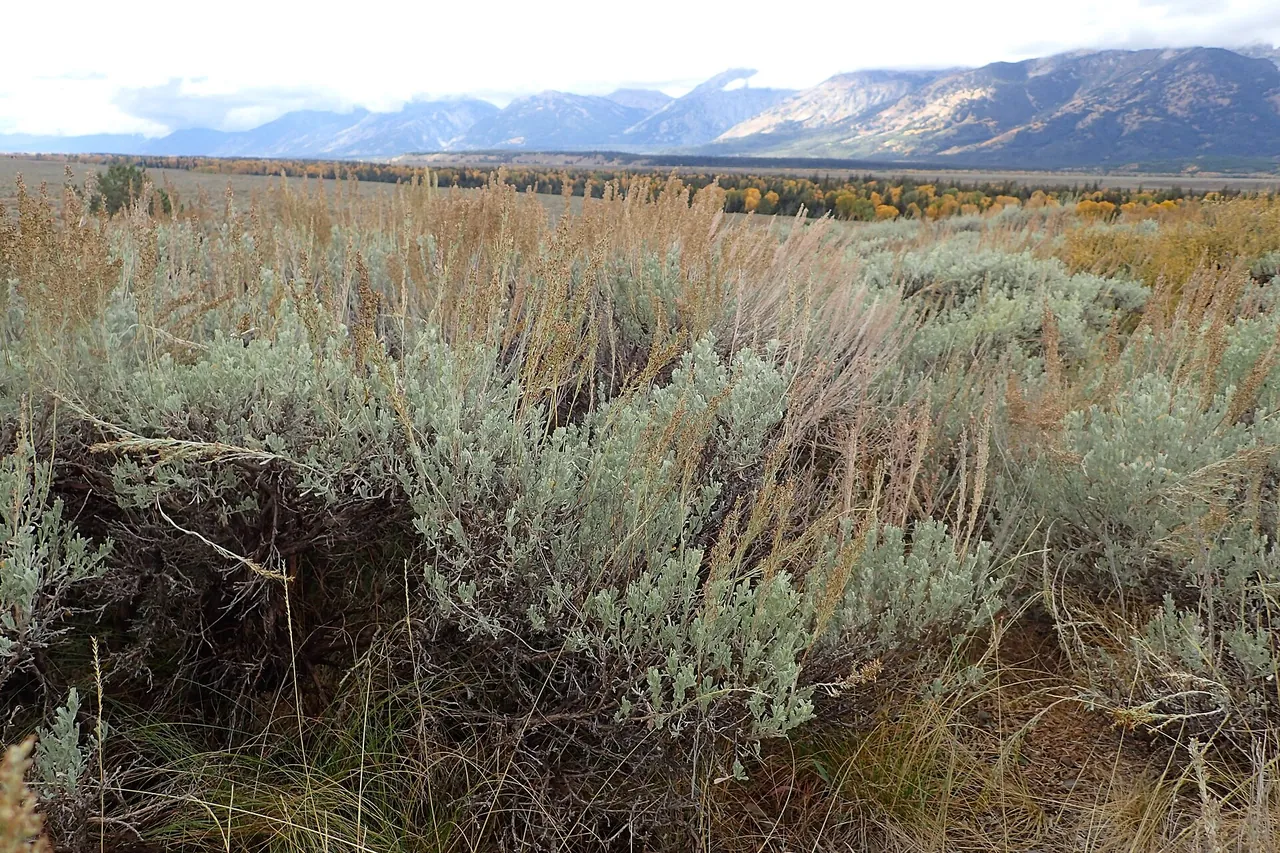
Big sagebrush stretching across open country toward distant mountains
File photo: big sagebrush stretching across open country toward distant mountains. Photo: Krzysztof Ziarnek, Kenraiz · CC BY-SA 4.0 · Wikimedia Commons
Shrubs

Big sagebrush

A foundational shrub of Utah's open country, with small gray-green leaves and an outsized role in wildlife habitat.
Artemisia tridentata

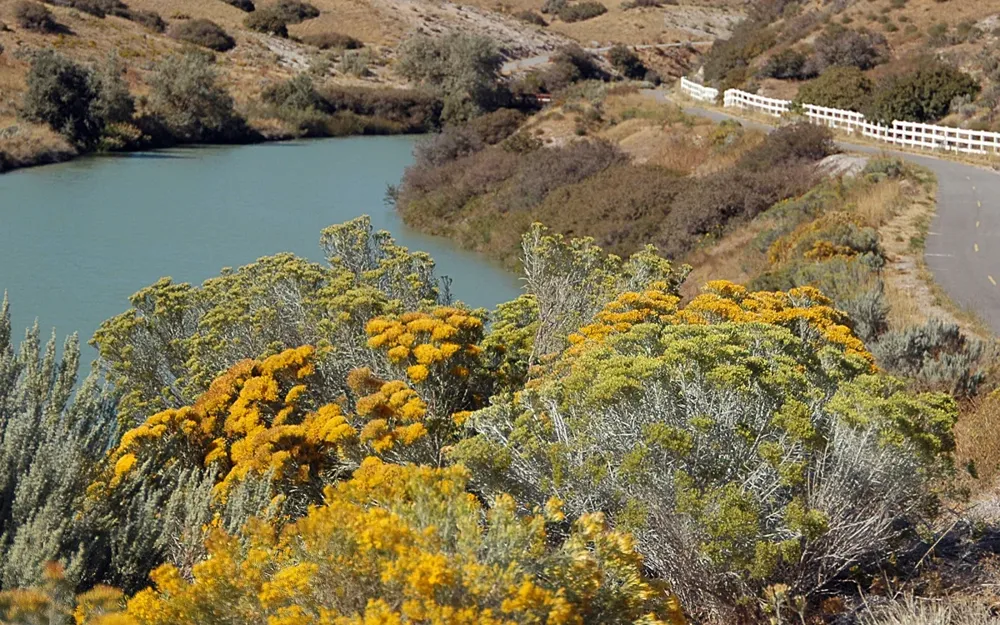
Yellow-flowering rubber rabbitbrush above the Jordan River
File photo: Yellow-flowering rubber rabbitbrush above the Jordan River — Jordan River Parkway near Salt Lake City, September 2004. Photo: Cory Maylett · CC BY-SA 4.0 · Wikimedia Commons
Shrubs

Rubber rabbitbrush

A flexible-stemmed native shrub whose late-season yellow flowers extend feeding opportunities for pollinators.

Ericameria nauseosa

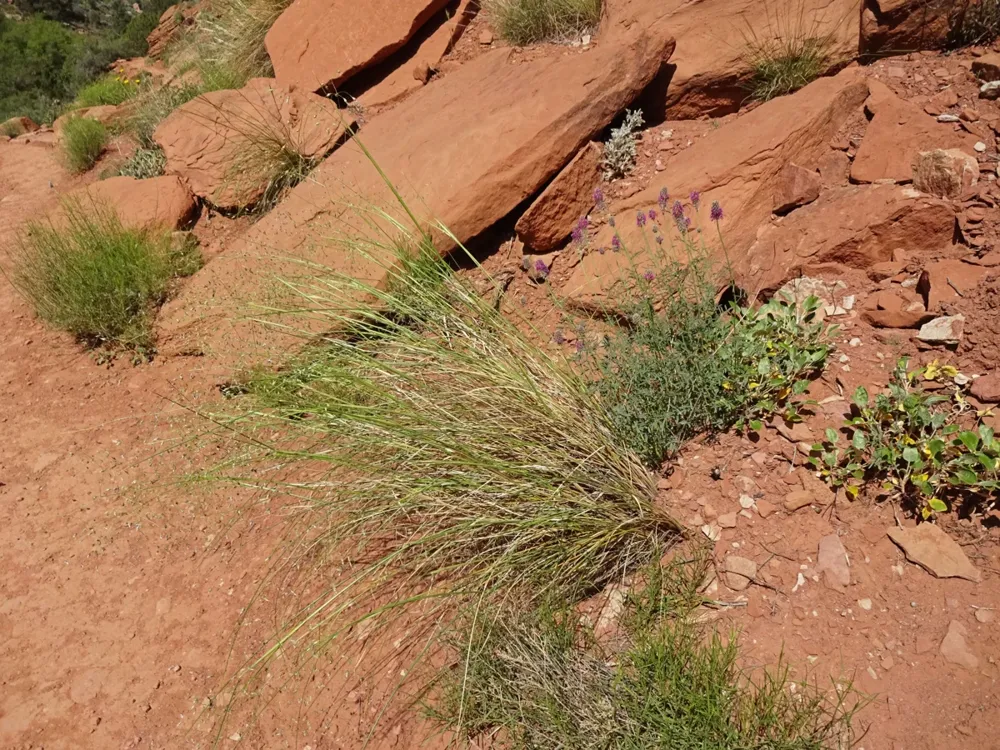
A tuft of Indian ricegrass with airy seed heads beside red sandstone
File photo: A tuft of Indian ricegrass with airy seed heads beside red sandstone — Watchman Trail, Zion National Park, April 2016. Photo: Andrey Zharkikh from Salt Lake City, USA · CC BY 2.0 · Wikimedia Commons
Grasses

Indian ricegrass

Utah's state grass is a cool-season perennial whose airy seedheads rise from distinct clumps on dry ground.

Achnatherum hymenoides

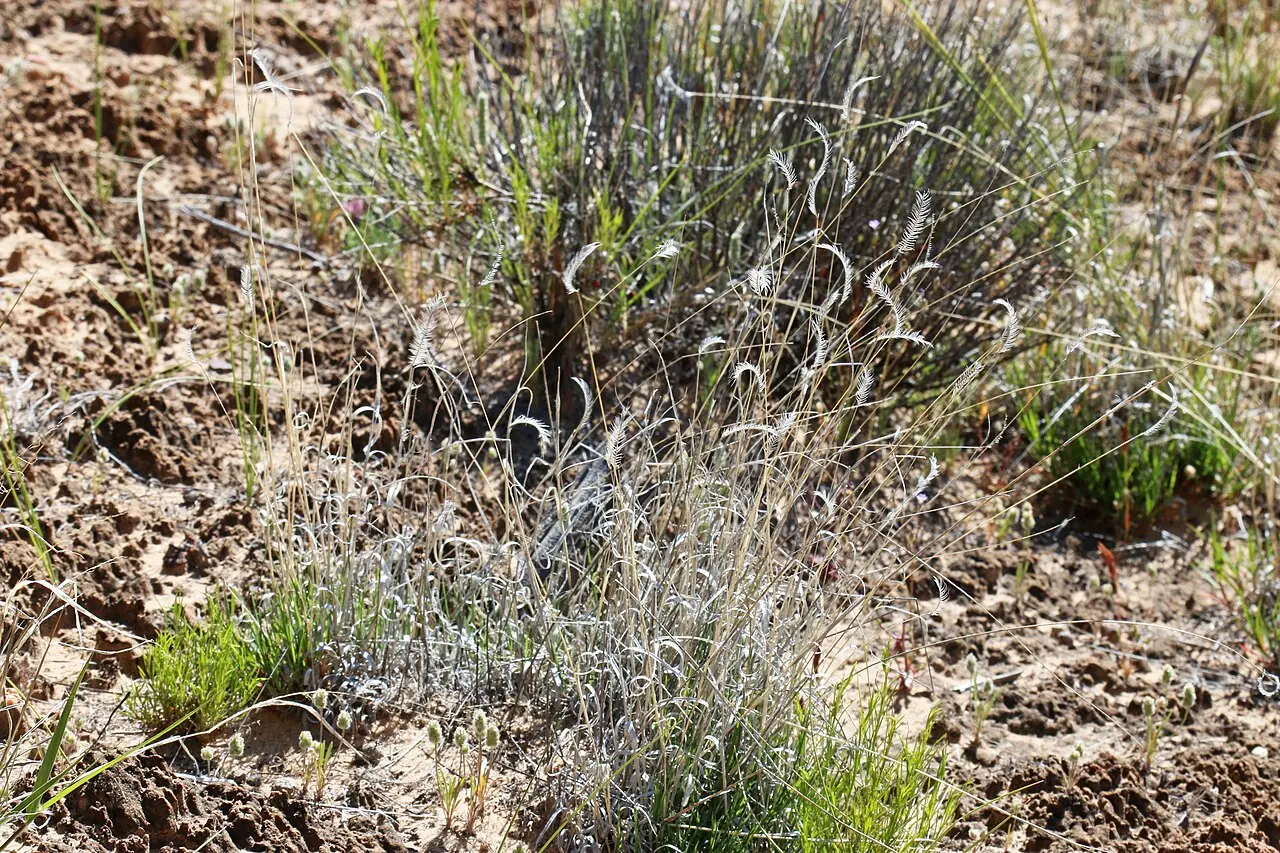
A clump of blue grama grass in Kane County, Utah
File photo: A clump of blue grama grass in Kane County, Utah (2016-05-27 10:06). Photo: Andrey Zharkikh from Salt Lake City, USA · CC BY 2.0 · Wikimedia Commons
Grasses

Blue grama

A low native grass with sideways, eyelash-like seedheads and a growing season tied to warmth and summer moisture.

Bouteloua gracilis

Saved on this device. Statewide news and alerts remain available.