Pronghorn
An open-country specialist with a white rump, unusual shedding horn sheaths and a need for connected habitat.
Everything Utah, every day.
Help Utahns understand their communities and hold government accountable. Our mission →
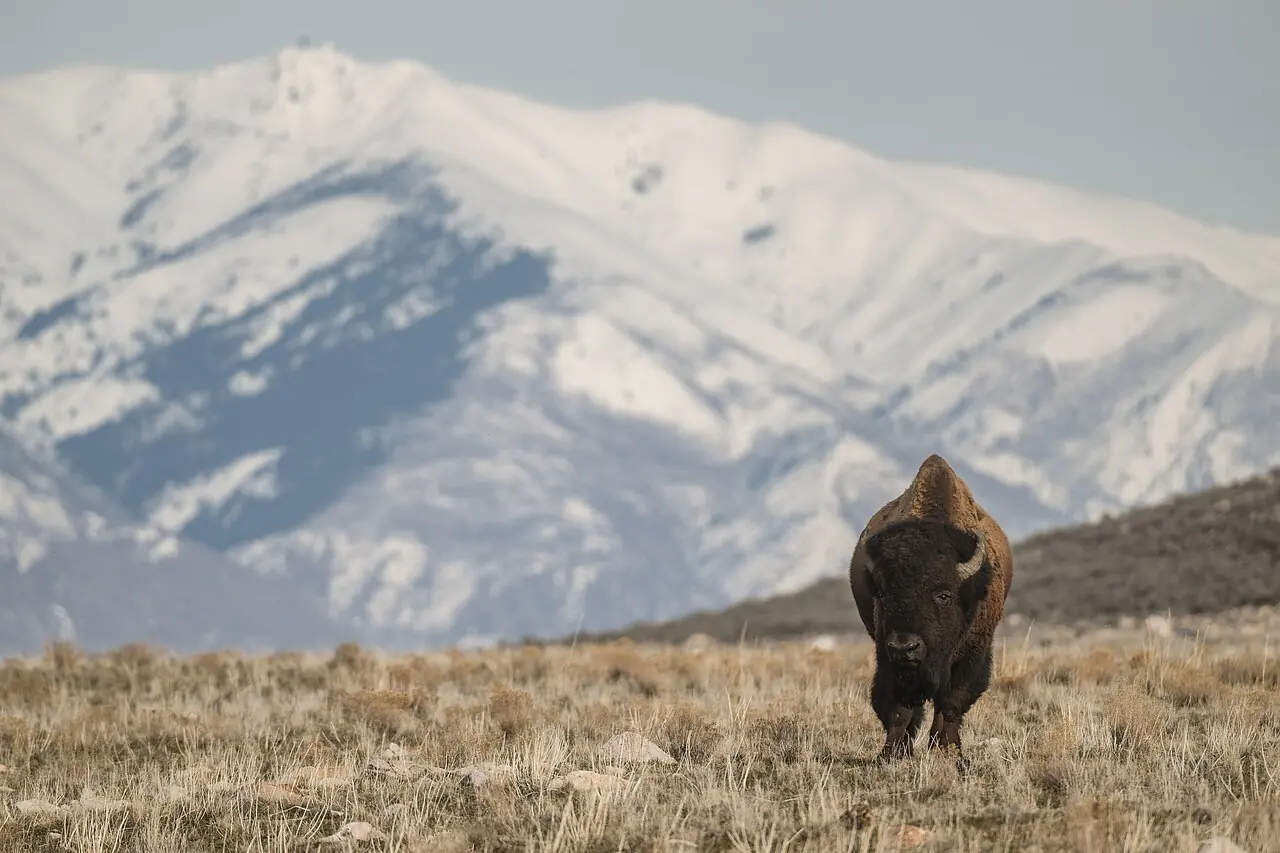
North America's largest land animal, with wild herds on Antelope Island, in the Henry Mountains and in the Book Cliffs.

Bison, also called buffalo, are the largest land animal in North America. Bulls can top 2,000 pounds and stand more than 7 feet at the shoulder, and both sexes have horns. The hump is muscle, which lets a bison swing its head to push snow off the grass.
Millions of bison once ranged across North America before hunting nearly wiped them out in the 1800s. Wild bison now live in three parts of the state: Antelope Island in Great Salt Lake, the Henry Mountains, where the herd descends from animals reintroduced in the 1940s, and the Book Cliffs, where the Ute Indian Tribe began restoring bison in 1986 and Wild Aware Utah dates the later public-herd restoration to 2008. They graze year-round, mostly on grasses.
Bison can look docile but react quickly and charge, and a startled herd can stampede at up to 35 miles per hour. If one stops what it is doing to watch you, you are too close. If a bison is on the road, stay in your vehicle and wait for it to pass. Antelope Island State Park posts its own wildlife rules.

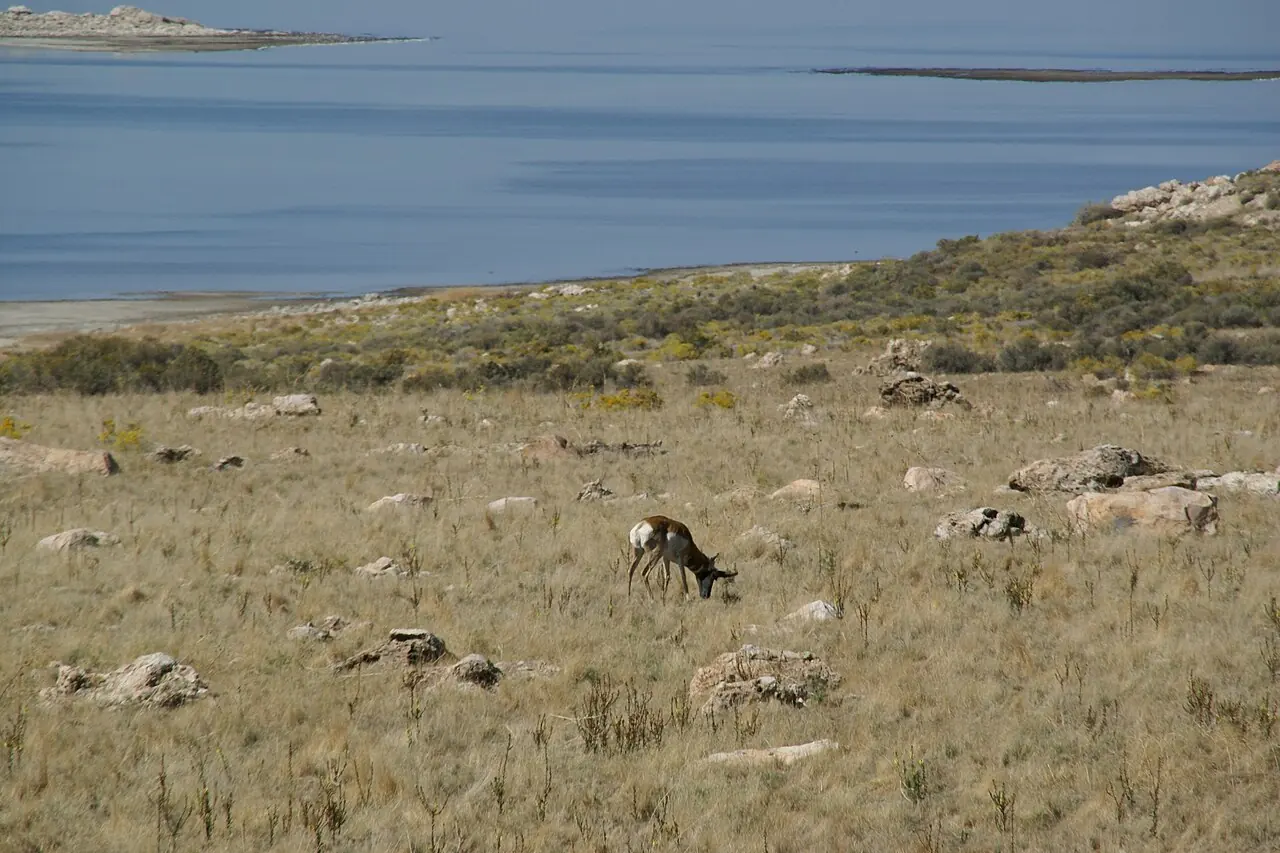
An open-country specialist with a white rump, unusual shedding horn sheaths and a need for connected habitat.

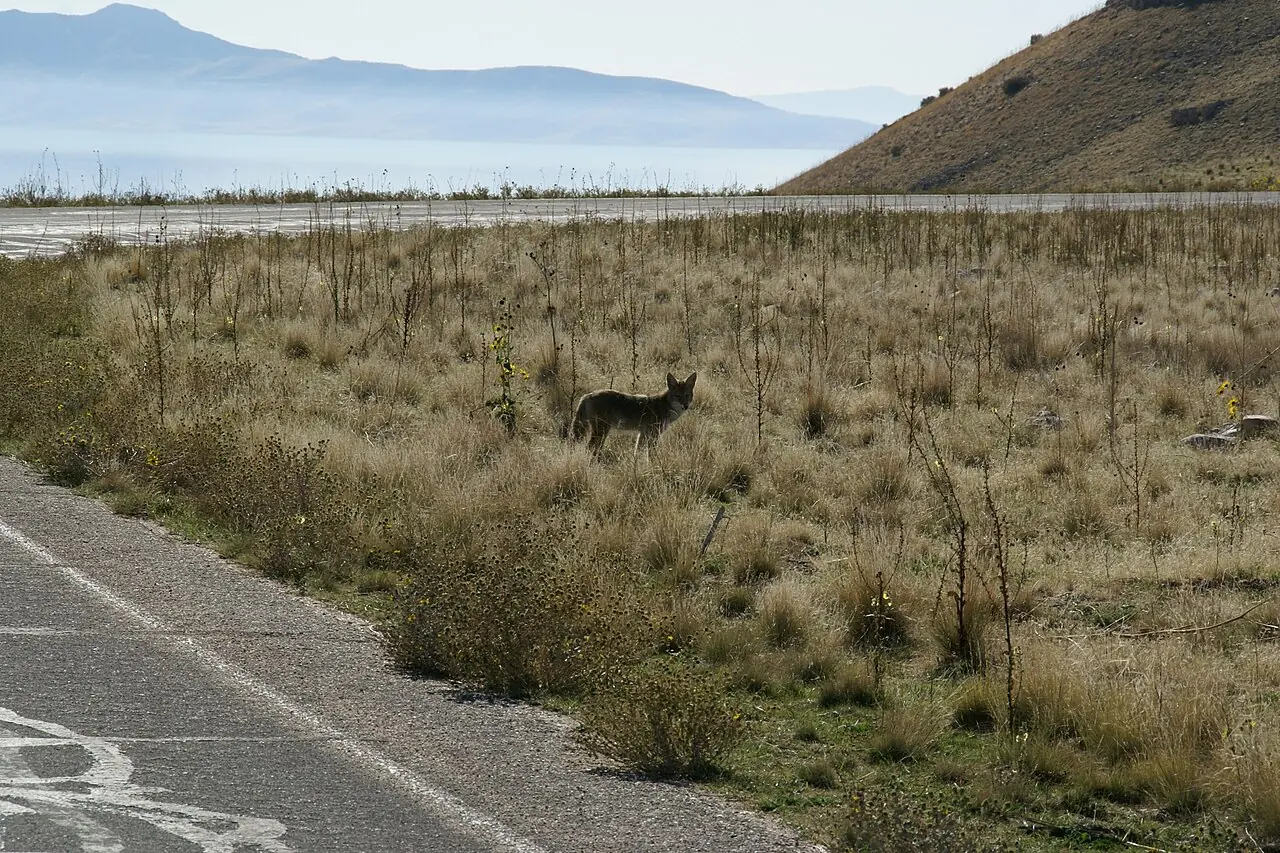
Common across Utah, including in cities, and an opportunist that will eat almost anything.

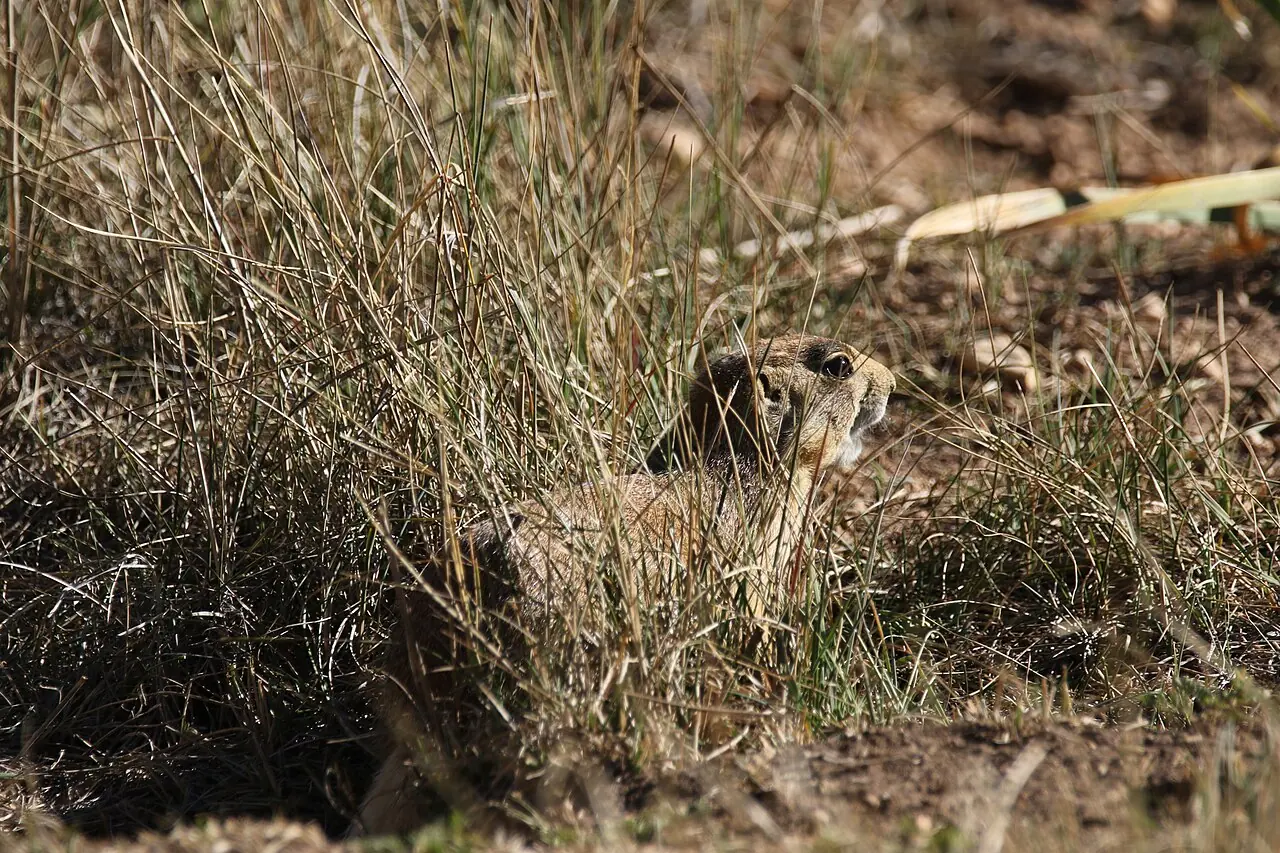
A Utah endemic whose short-grass colonies support a much larger community of grassland wildlife.