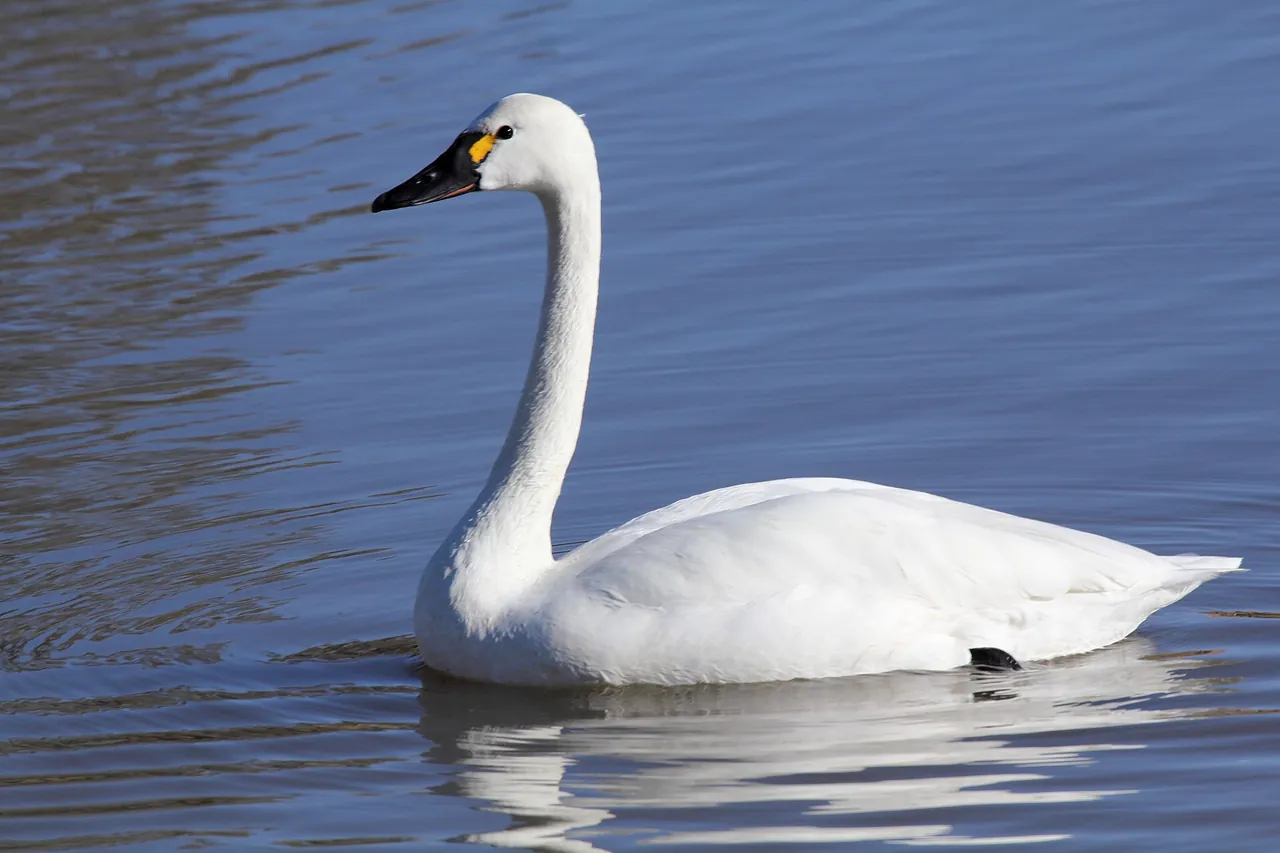
File photo: a tundra swan floating on blue water. Photo: Dominic Sherony · CC BY-SA 2.0 · Wikimedia Commons
Birds
Tundra swan
A large white migrant whose family groups link Utah's wetlands with Arctic nesting country.
Everything Utah, every day.
Help Utahns understand their communities and hold government accountable. Our mission →
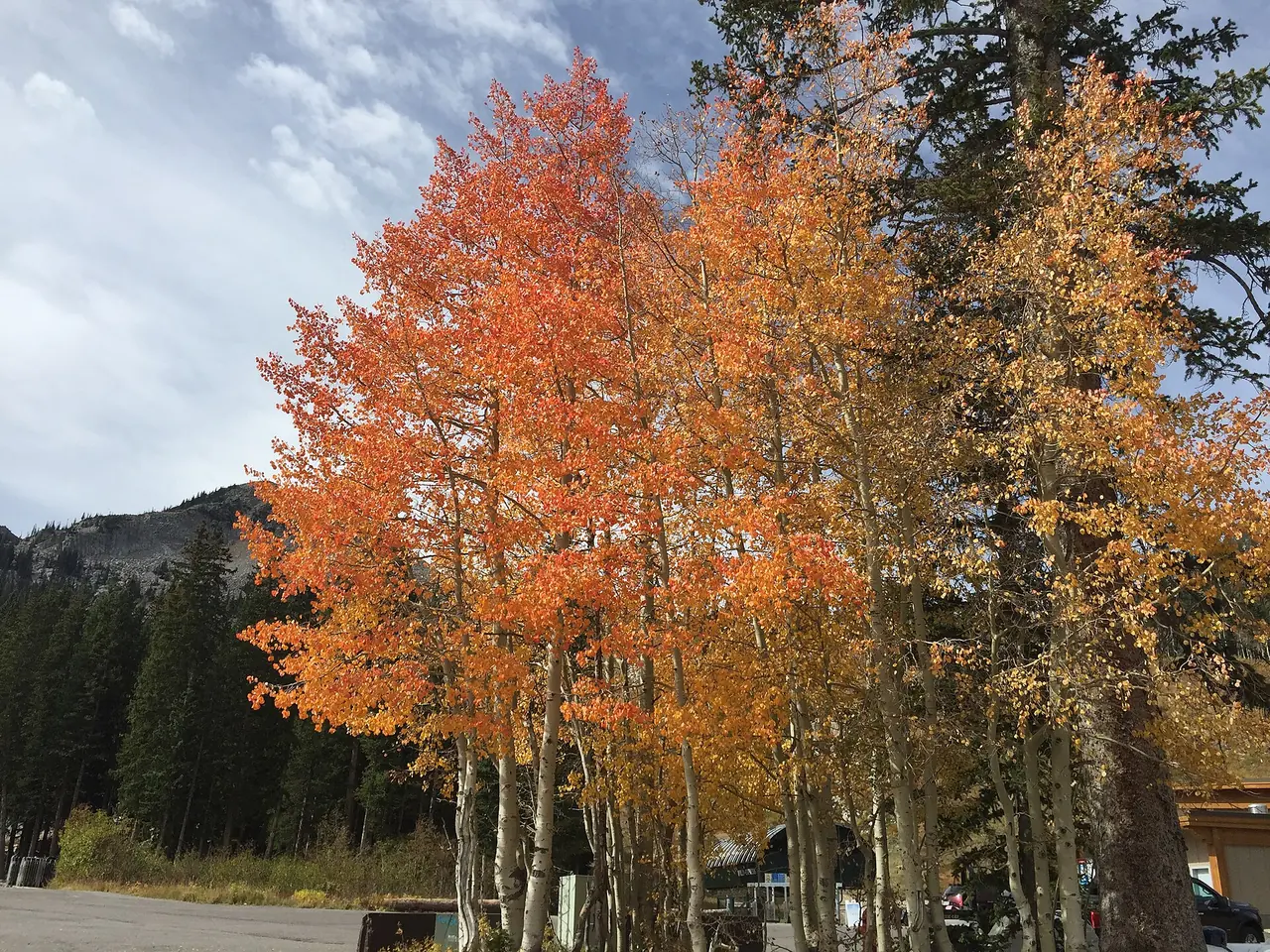
Photo: Famartin · CC BY-SA 4.0 · Wikimedia Commons
Fall is the season locals guard. The canyons above the Wasatch Front turn from green to gold and scarlet, usually peaking in the last week of September and the first week of October, and the crowds that fill the national parks in summer thin out just as the desert finally cools off.
It is the best time of year to hike in southern Utah: daytime highs in Zion, Capitol Reef and Moab drop back into the 60s and 70s, and the light goes long and orange by late afternoon. Up north, the first snow usually dusts the peaks by late October, and resorts start making snow in November.
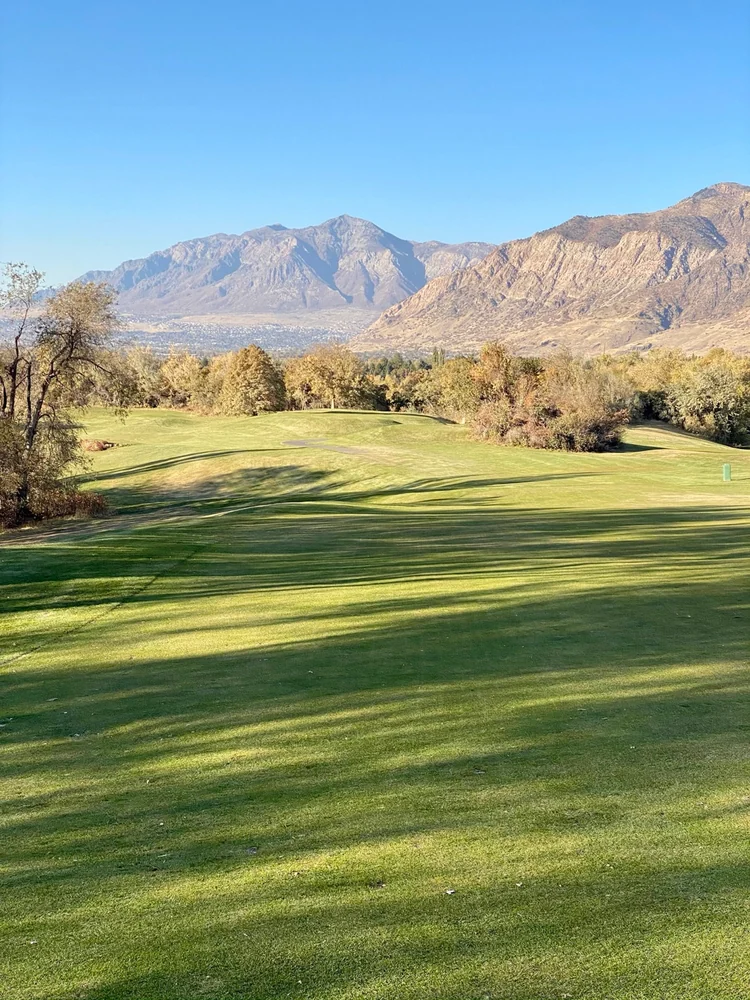
Mount Ogden Golf Course is a good bet for fall colors. Check the course for current availability.
Autumn color reflects plant physiology. University of Utah scientist Eleinis Ávila-Lovera explains that shortening daylight starts the process and that deciduous trees shed leaves in a controlled way that conserves resources before winter. A golden hillside is therefore an opportunity to explain a plant's seasonal strategy, not just to list a scenic drive. Read the fall guide.
A large white migrant whose family groups link Utah's wetlands with Arctic nesting country.
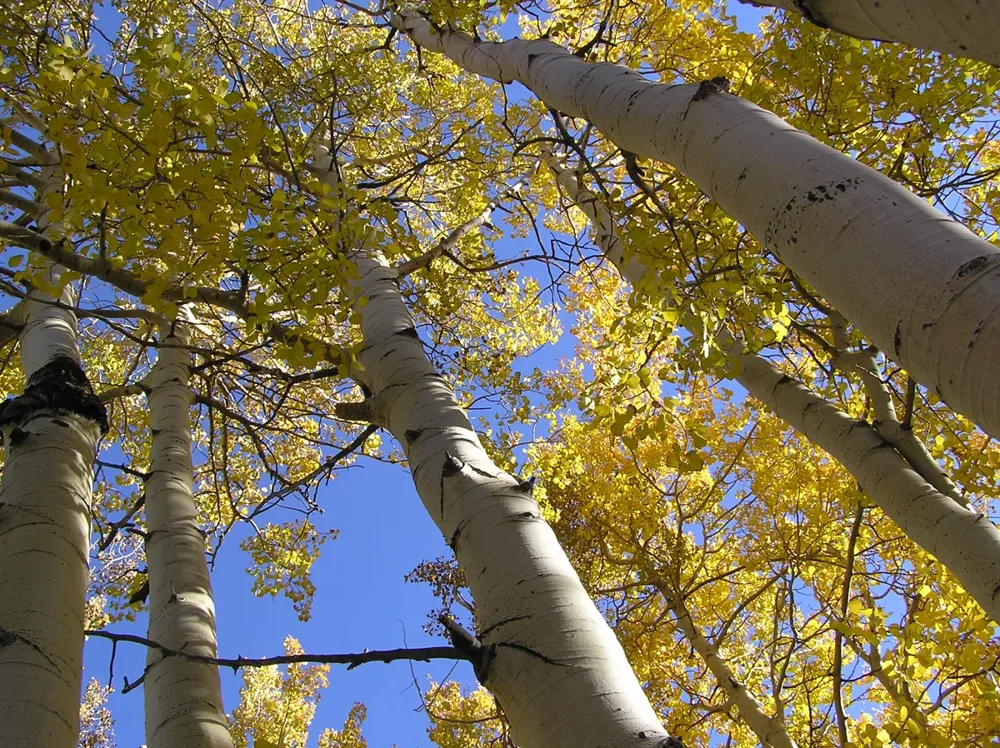
Utah's state tree forms bright mountain groves whose separate trunks can share an underground root system.
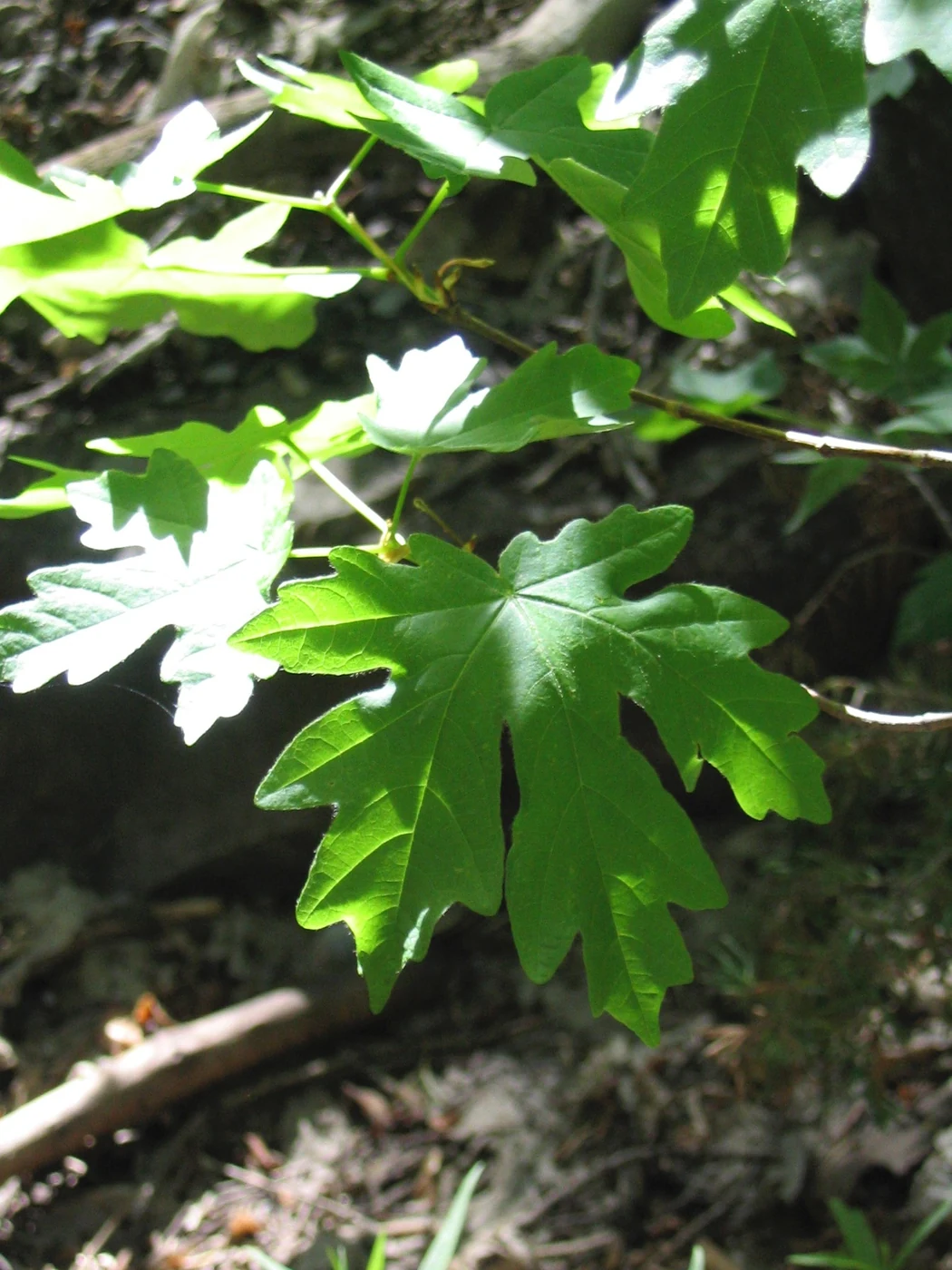
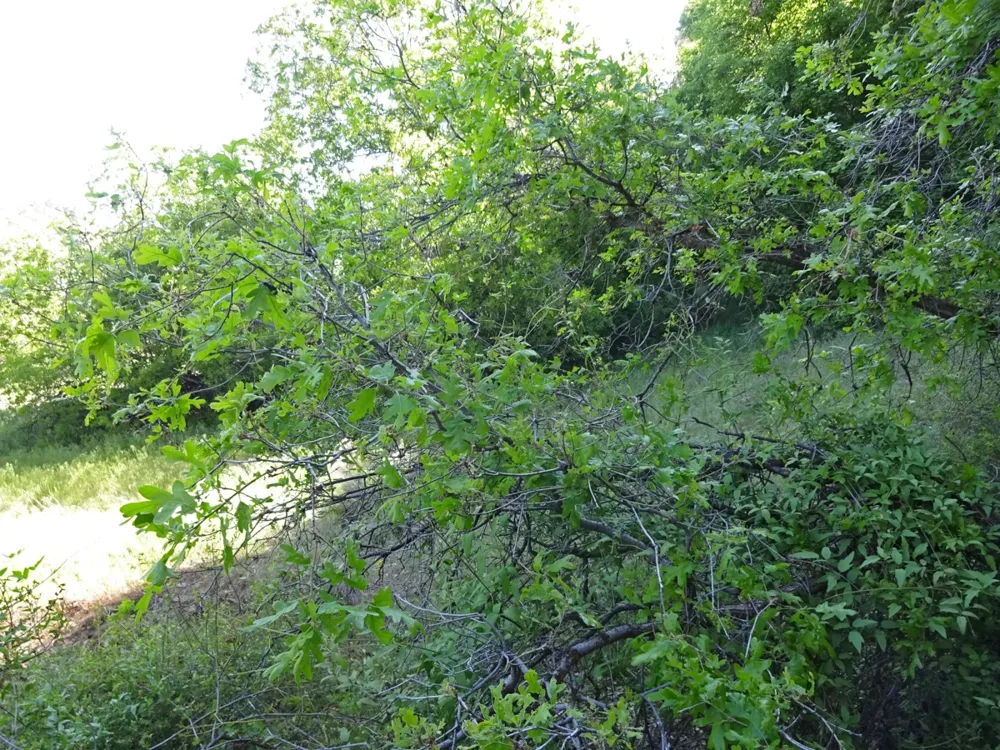
A thicket-forming native oak that links Utah's foothills with mountain woodlands and provides important wildlife food and cover.