Help Utahns understand their communities and hold government accountable.Our mission →
Explore Utah
Utah wildlife and plants
The animals and plants of Utah's mountain forests, red-rock desert, sagebrush valleys and Great Salt Lake wetlands.
Get to know Utah through the animals and plants that live here. Browse the 63 profiles by habitat or region, compare a species' seasonal habits, and follow the linked agency and university sources when you want to learn more. Start with the landscape you expect to visit, then narrow the list to wildlife or plants.
This is an introduction, not a full inventory or field guide. Region labels show where a species lives, not where you will see it. Seasonal notes describe general patterns, and we don't publish exact sites for nests, roosts, colonies or rare plants. Check the land manager's current access information separately before a trip.
Choose a way in
I saw something and want to learn about it.Search a common or scientific name below. If you don't know the name, start with a broad group and habitat, then compare the profile's details rather than relying on color alone.
I'm planning a nature walk.Choose a region and habitat, and read a few profiles before you leave. Keep expectations flexible: a quiet walk is still a chance to notice plants, tracks and the way habitats connect.
I'm visiting with children or a new observer.Pick one plant and one animal to learn about. Make the goal careful observation, not finding every species on a checklist.
Learn the landscape
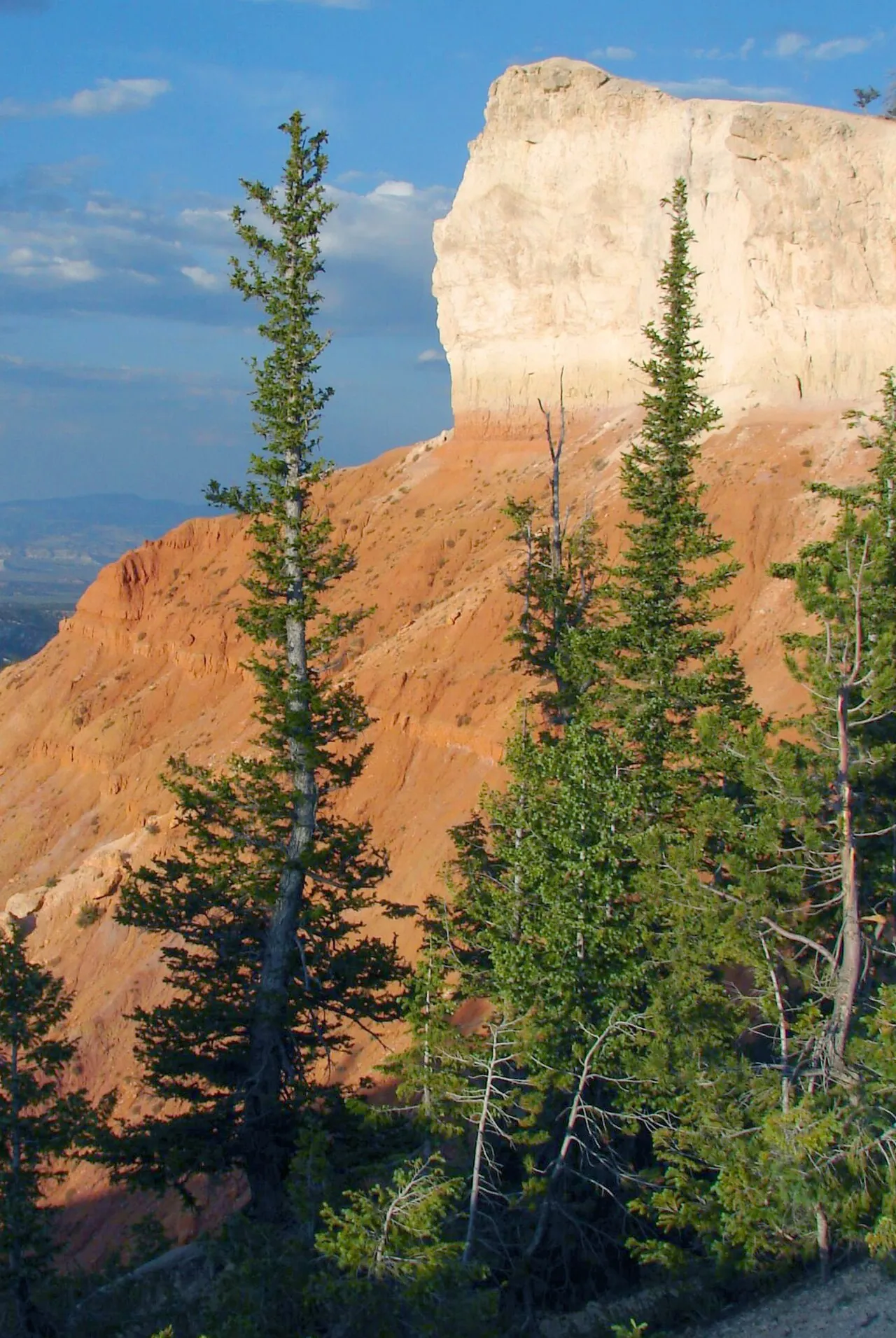
A seasonal comparison makes a familiar landscape easier to read. At Arches, rainfall strongly shapes the wildflower display; at Cedar Breaks, high meadows bloom through a short summer. Those are local examples of why one statewide "best week" would mislead. Try the mountain and desert habitats, then the spring and summer pages.
Each profile answers three separate questions: what the organism is, what habitat or range its sources support, and what a visitor can responsibly observe. Conservation labels are shown with their category, scope and date, because a federal listing, a state priority list and a native-or-introduced label answer different questions.
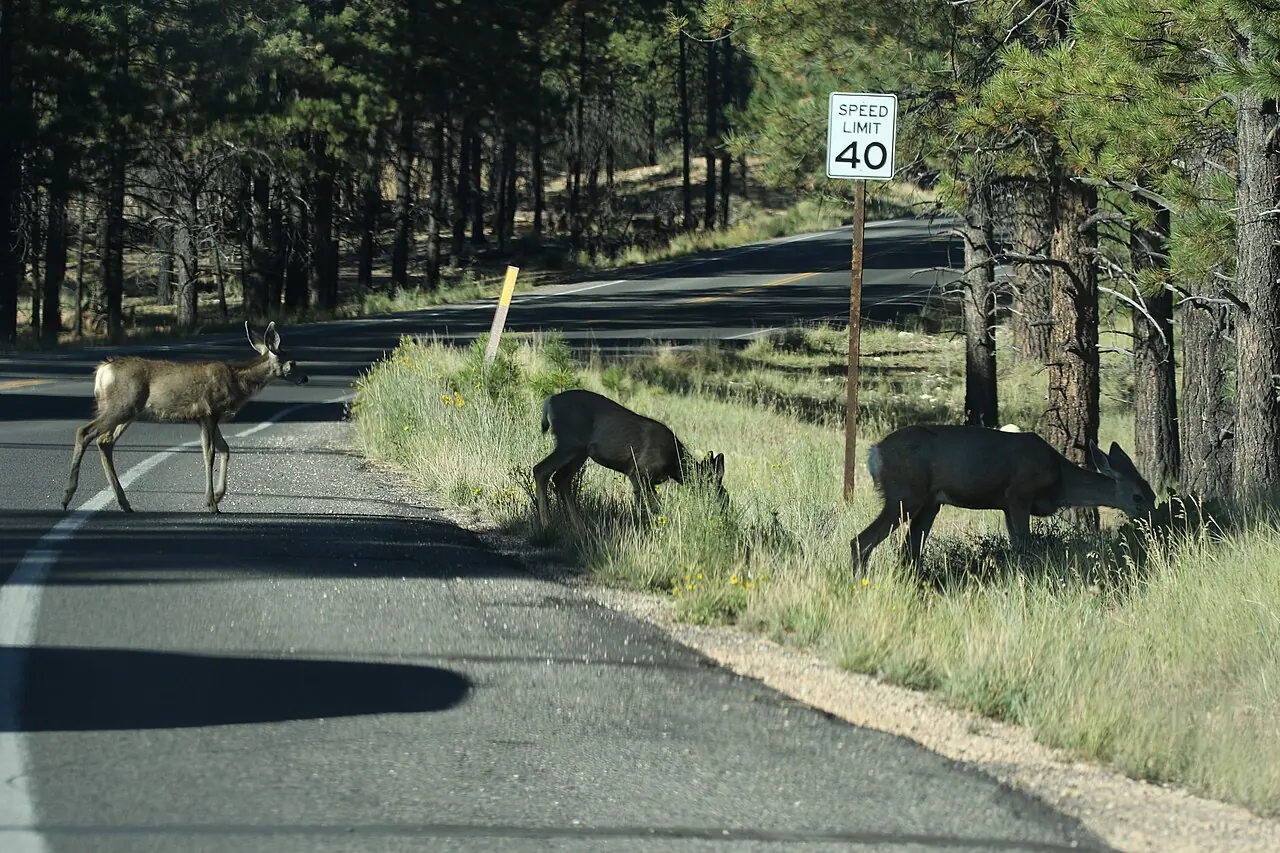
File photo: Mule deer beside and crossing a paved road at Bryce Canyon (2016-09-19 01:15). Photo: Donald Hobern from Copenhagen, Denmark · CC BY 2.0 · Wikimedia Commons
File photo: Mule deer beside and crossing a paved road at Bryce Canyon (2016-09-19 01:15). Photo: Donald Hobern from Copenhagen, Denmark · CC BY 2.0 · Wikimedia Commons
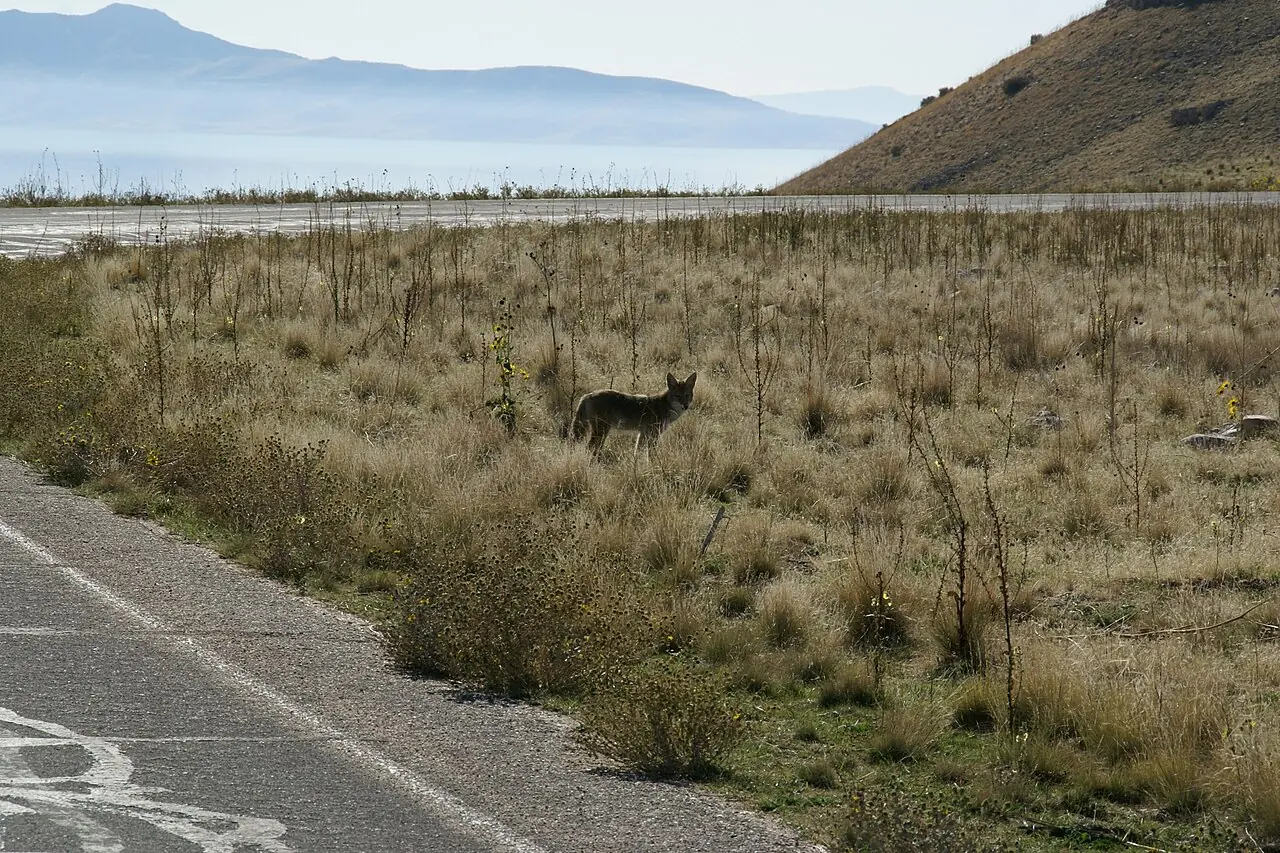
Common across Utah, including in cities, and an opportunist that will eat almost anything.
i
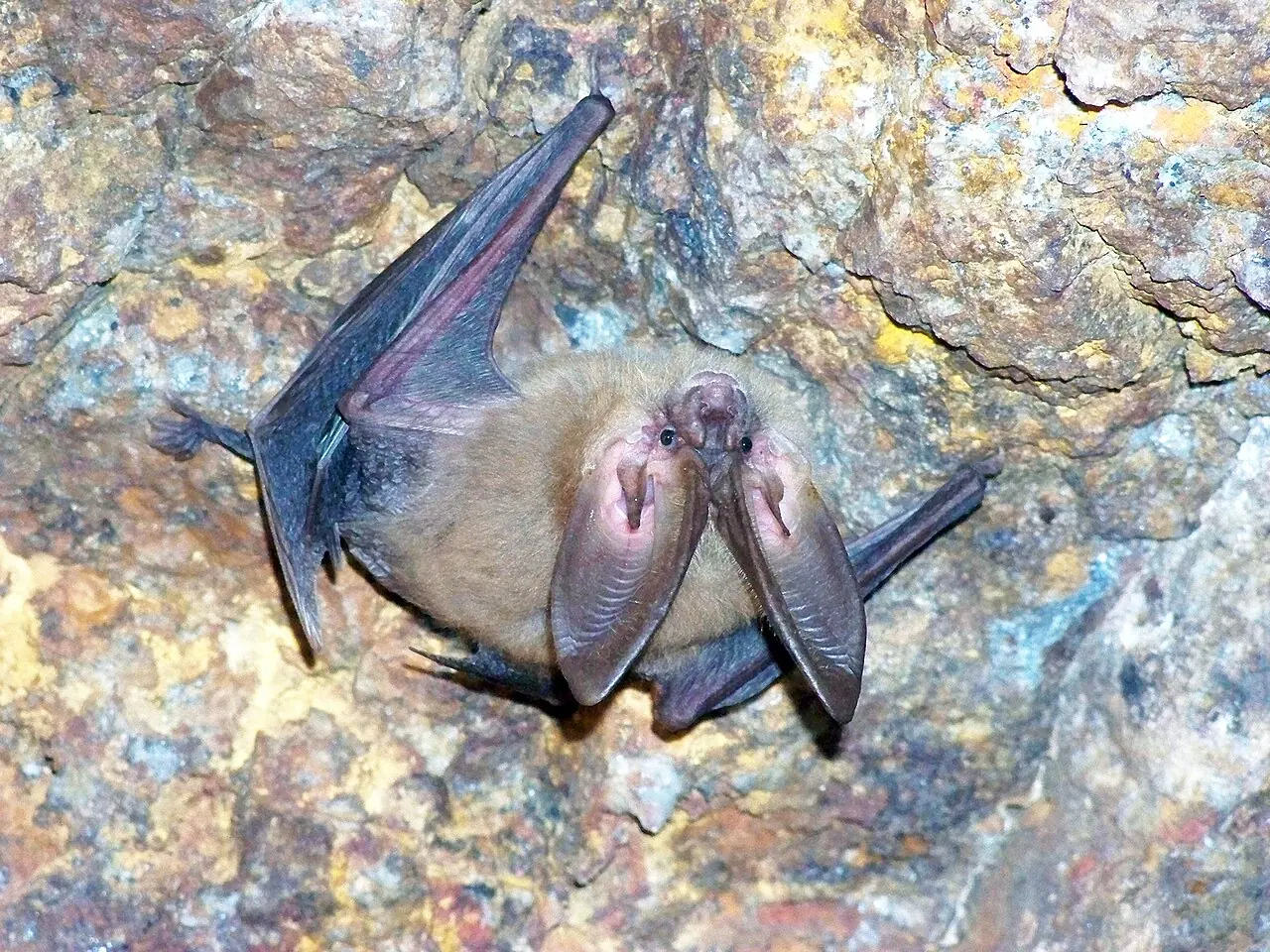
File photo: Townsend’s big-eared bat in Utah, BLM archive. One of the bat species found in the state. Photo: John Larson / BLM Utah · Public domain · Wikimedia Commons
File photo: Townsend’s big-eared bat in Utah, BLM archive. One of the bat species found in the state. Photo: John Larson / BLM Utah · Public domain · Wikimedia Commons