Published by Paul Ivinskas
Saturday, October 24, 2026

Everything Utah, every day.

Help Utahns understand their communities and hold government accountable. Our mission →

Wildlife & plants · Mammals

Bats

Insect-eating flying mammals whose lives depend on suitable roosts, water and a safe seasonal cycle.

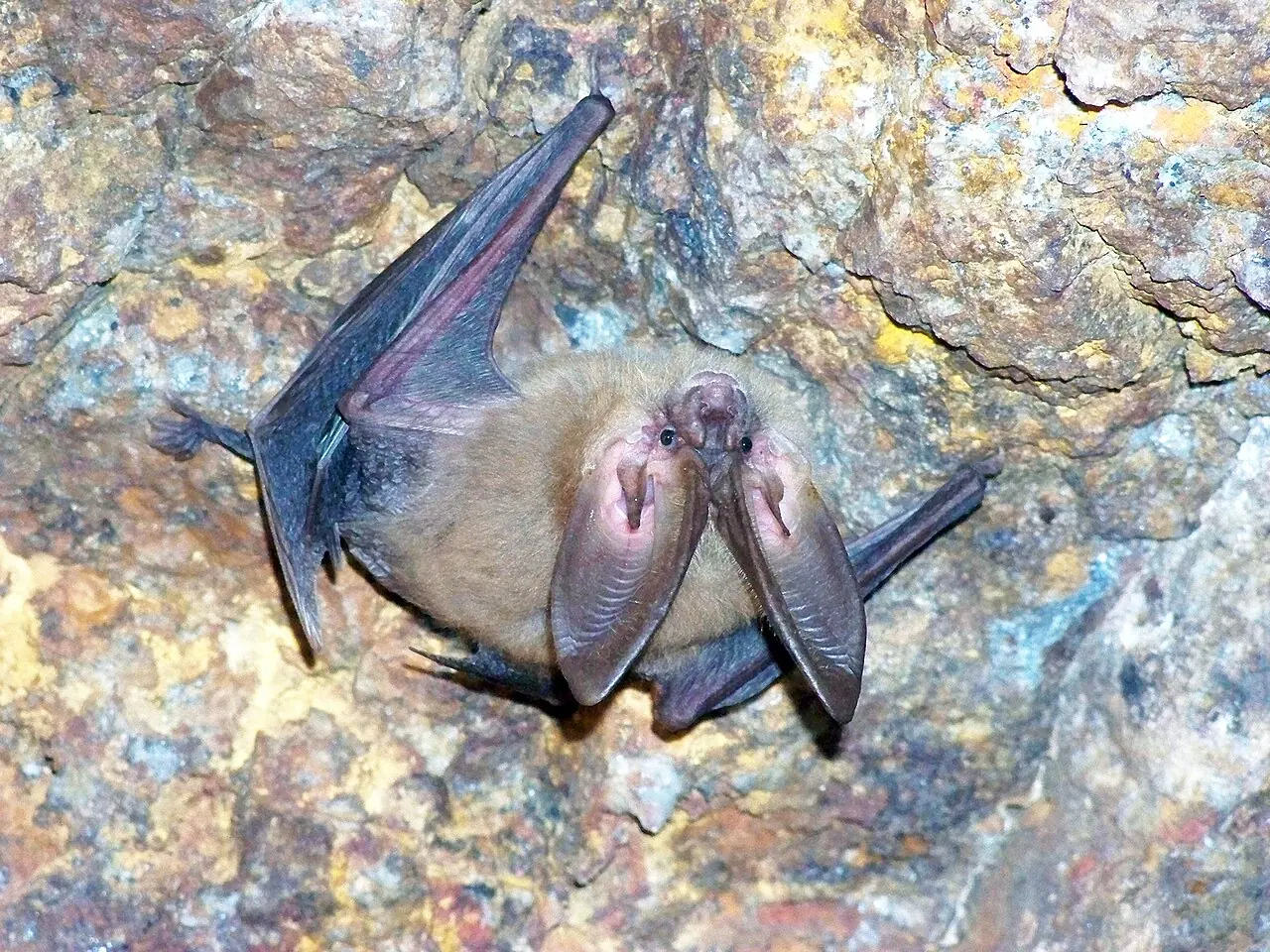
A Townsend’s big-eared bat hanging from rock
File photo: Townsend’s big-eared bat in Utah, BLM archive. One of the bat species found in the state · Cropped to fit. Photo: John Larson / BLM Utah · Public domain · Wikimedia Commons

A bat seen against the evening sky is usually easier to recognize as a bat than to identify to species. Utah's bats differ in size, ears, flight style and roosting habits; a dark silhouette alone is not a reliable species identification. They are true flying mammals, and their use of echolocation helps them locate prey. Utah's species feed almost entirely on insects. A bat circling over water may be taking advantage of both a drinking place and a concentration of food.

DWR reported 18 confirmed Utah bat species in July 2026, with the greatest diversity in the south. Their roosts are varied: trees, rock crevices, caves, mines and buildings can all matter, depending on the species and season. Winter strategies differ too. Some bats migrate, some hibernate, and some combine movements with periods of dormancy. Utah bats often hibernate alone or in small groups, so images of enormous eastern cave colonies are not a good model for every western bat.

Summer colonies may include mothers and flightless pups. Blocking the adults' entrance can leave young trapped inside, which is why a building problem should be assessed before openings are sealed. For wildlife viewing, choose an open public place and watch passing bats without entering a roost or shining lights into it. The rewarding observation is their normal flight and feeding, with no need to touch, catch or wake an animal.
How to recognize it

A flying mammal; telling species apart takes more than a fleeting silhouette.

Conservation

Utah protects its bats; roost protection and appropriately timed conflict management matter.

Watching and staying safe

Never handle a bat. For possible human contact, obtain prompt medical/public-health advice; ask DWR or a qualified professional about building colonies before sealing entrances.

Related profiles

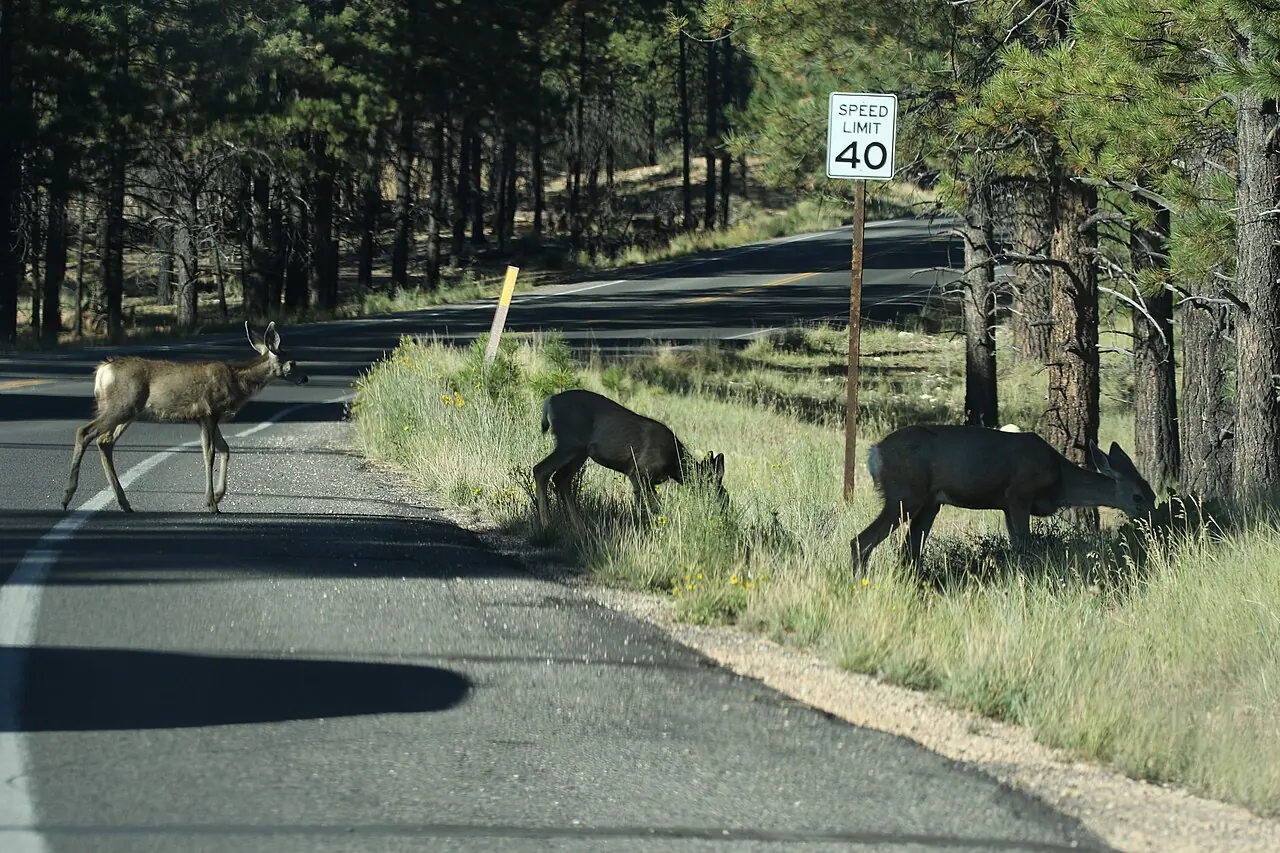
Mule deer beside and crossing a paved road at Bryce Canyon
File photo: Mule deer beside and crossing a paved road at Bryce Canyon (2016-09-19 01:15). Photo: Donald Hobern from Copenhagen, Denmark · CC BY 2.0 · Wikimedia Commons
Mammals

Mule deer

Found across Utah, from high mountains to city neighborhoods, and named for its large, mule-like ears.

Odocoileus hemionus

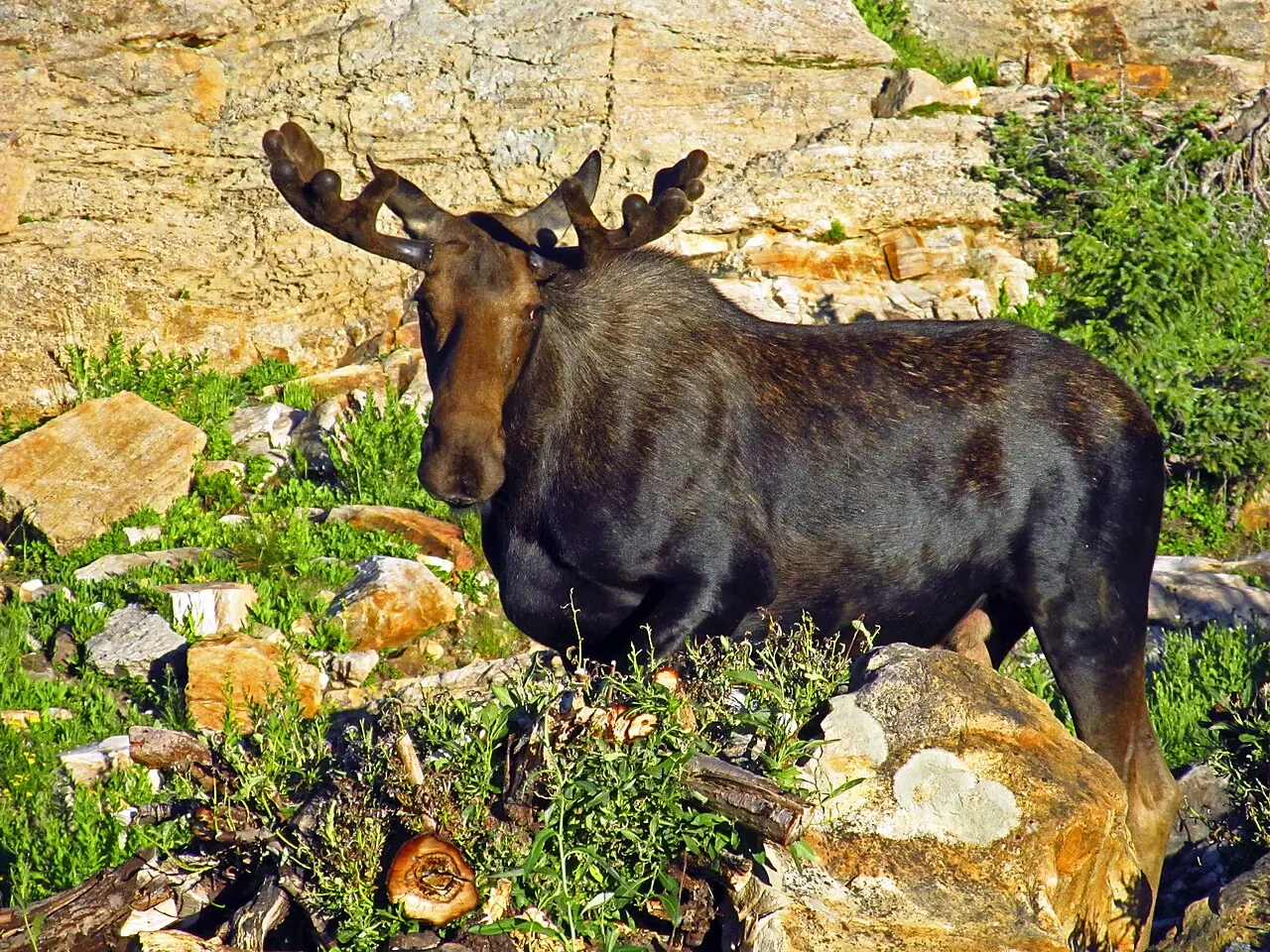
A bull moose among rocks and low vegetation at Cecret Lake
File photo: A bull moose among rocks and low vegetation at Cecret Lake (2012-07-25). Photo: BBernardicius · CC BY-SA 3.0 · Wikimedia Commons
Mammals

Moose

The largest member of the deer family in Utah, at home where northern mountain forest meets water.

Alces alces

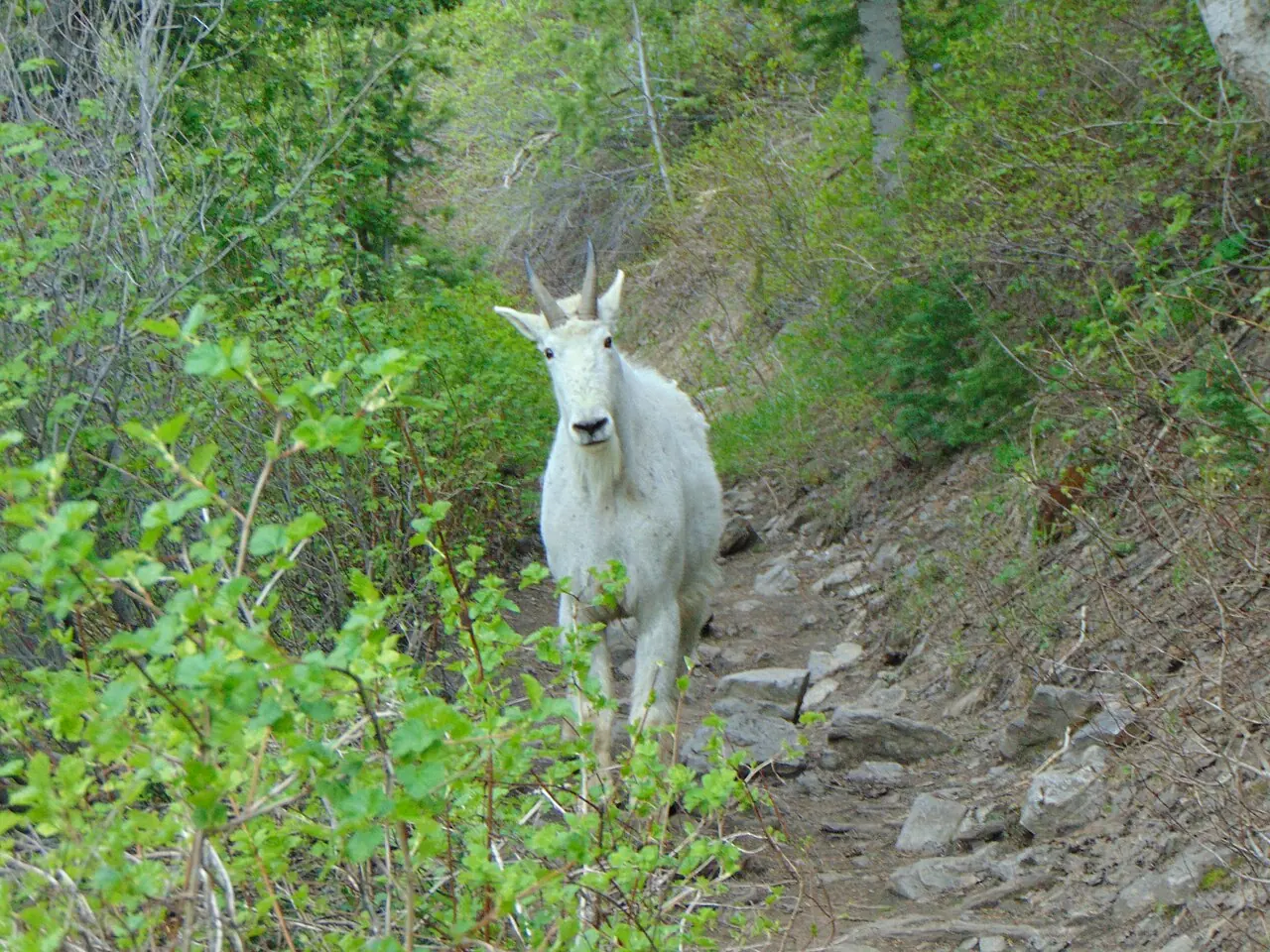
A mountain goat standing on a trail on Mount Timpanogos
File photo: A mountain goat standing on a trail on Mount Timpanogos (Taken on 2 June 2016, 20:03:35). Photo: An Errant Knight · CC BY-SA 4.0 · Wikimedia Commons
Mammals

Mountain goat

White climbers of the high rock, brought to Utah starting in 1967.

Oreamnos americanus

Saved on this device. Statewide news and alerts remain available.