Published by Paul Ivinskas
Sunday, October 25, 2026

Everything Utah, every day.

Help Utahns understand their communities and hold government accountable. Our mission →

Wildlife & plants guides

Neighborhood nature: habitat without feeding encounters

USU Extension frames wildlife habitat around food, water, cover and places to raise young.

USU Extension frames wildlife habitat around food, water, cover and places to raise young. Native plants can supply foliage, nectar, pollen, fruit and shelter; vegetation is part of the animal story even in a developed neighborhood. The useful starting question is what the landscape supports, rather than how to lure a particular animal close enough to photograph.

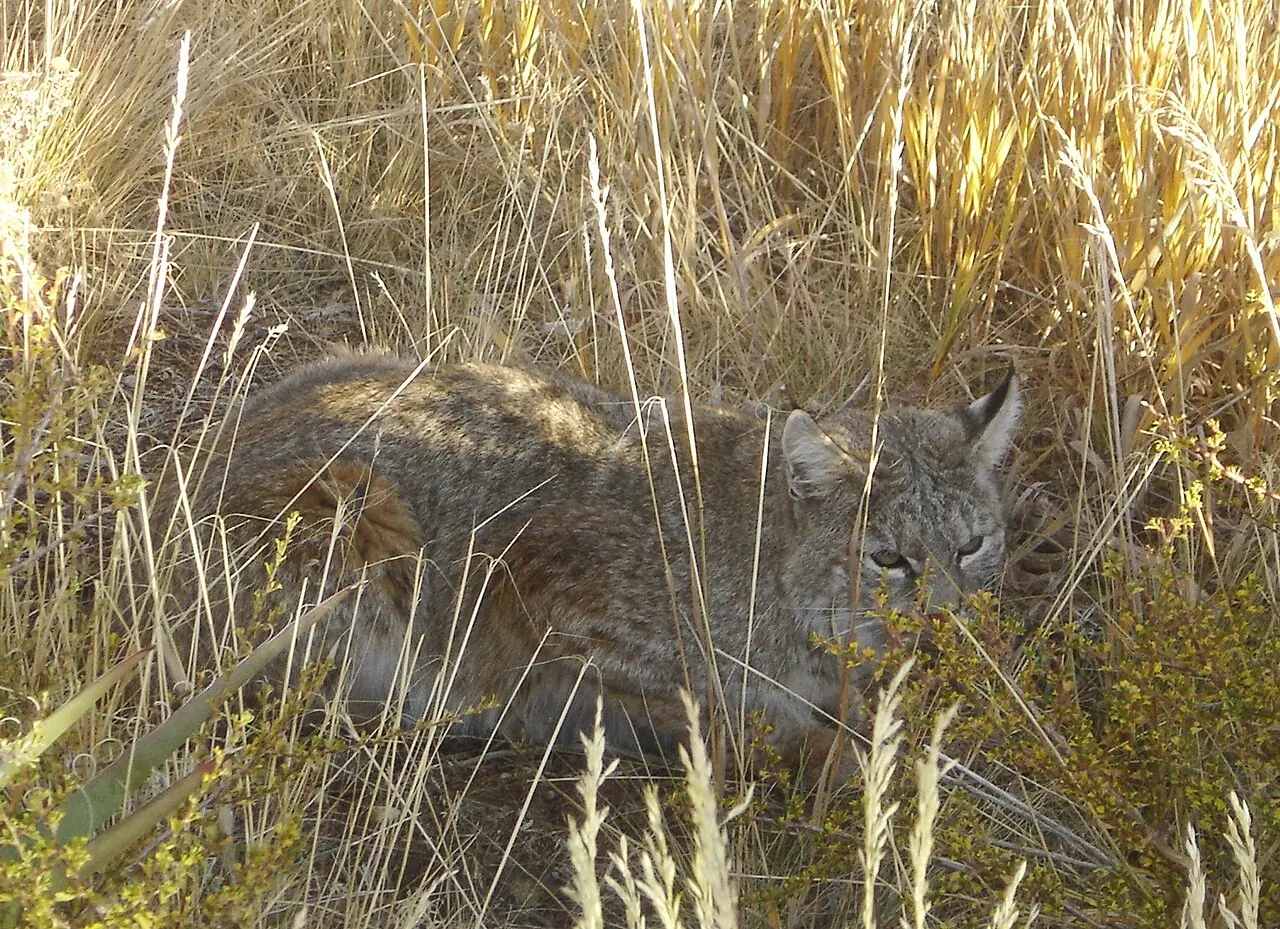
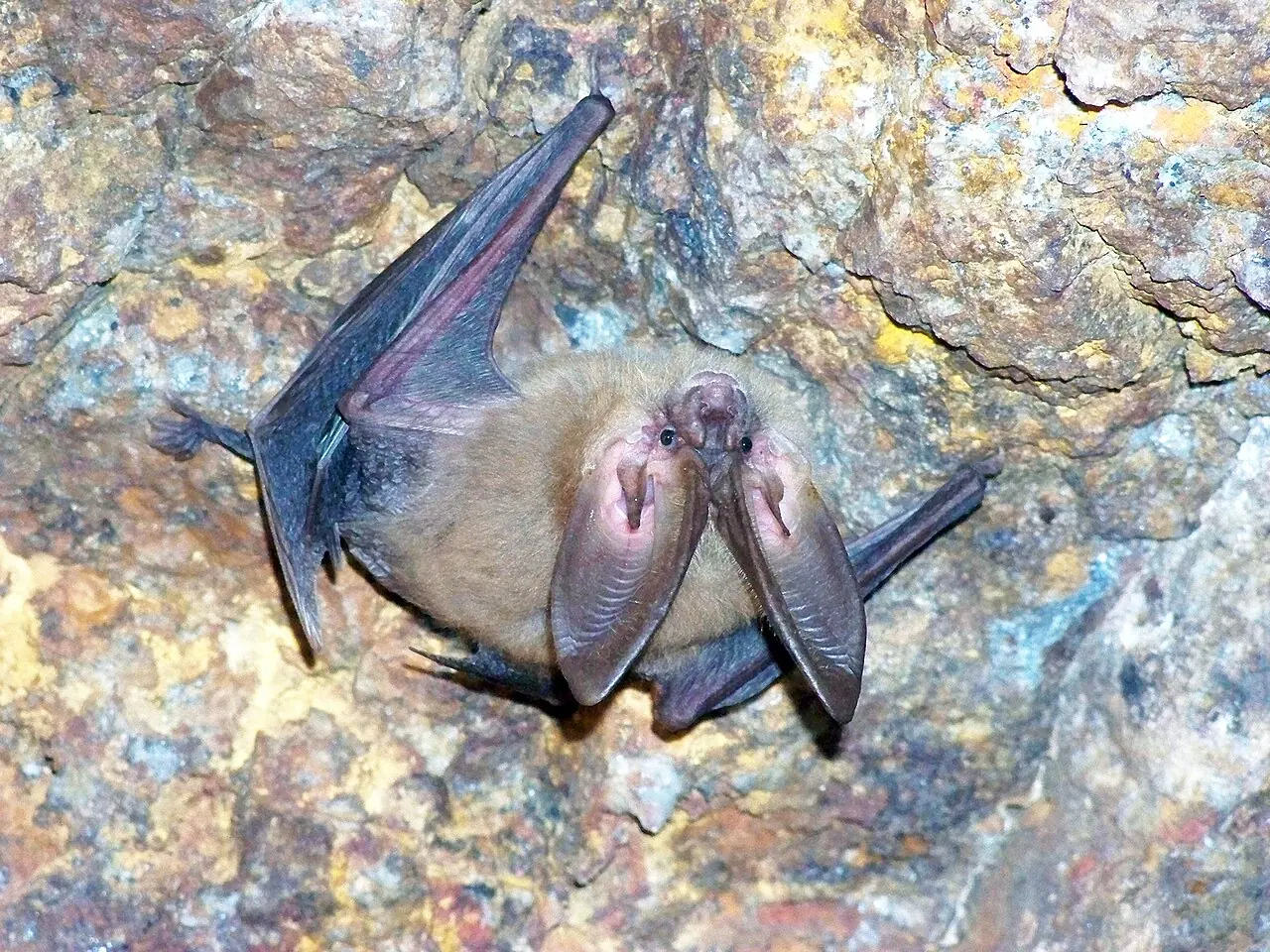
Yards and parks can offer food, water, cover and nesting sites in miniature. Showy milkweed and the monarch butterfly are a good pair to learn together, as long as the caterpillar's host plant and the adult's nectar plants stay distinct. Coyotes, bobcats and bats each come with their own coexistence advice in their profiles. None of this is an invitation to feed wildlife or to put out water near a road. Plant choices and upkeep belong in a locally appropriate gardening guide.

See every profile in this habitat

Profiles to read with this guide

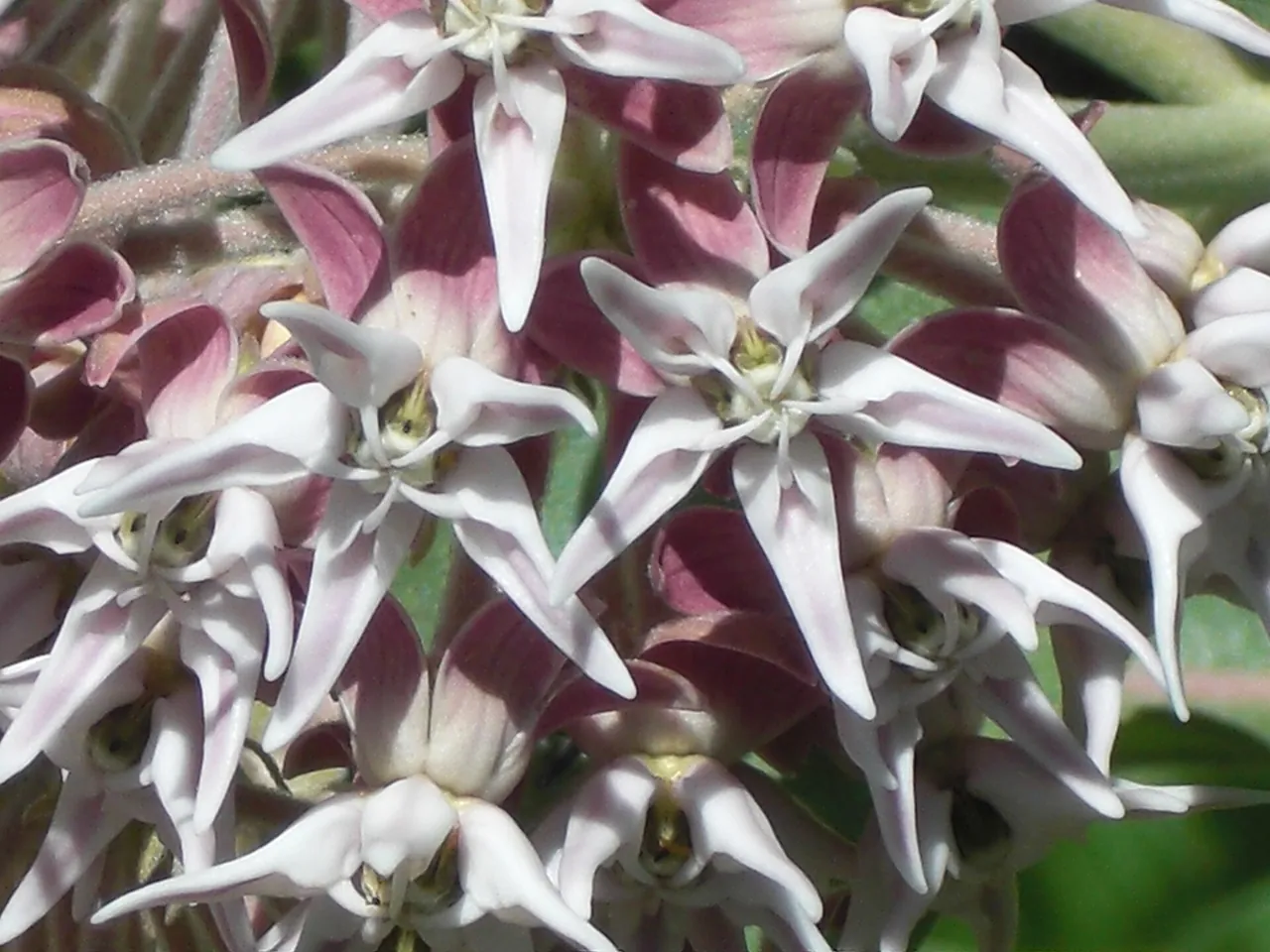
Showy milkweed flowers on the slopes of Red Butte
File photo: showy milkweed flowers on the slopes of Red Butte. Photo: Andrey Zharkikh · CC BY 2.0 · Wikimedia Commons
Wildflowers

Showy milkweed

A broad-leaved native perennial whose clustered flowers support pollinators and whose leaves can host monarch caterpillars.
Asclepias speciosa

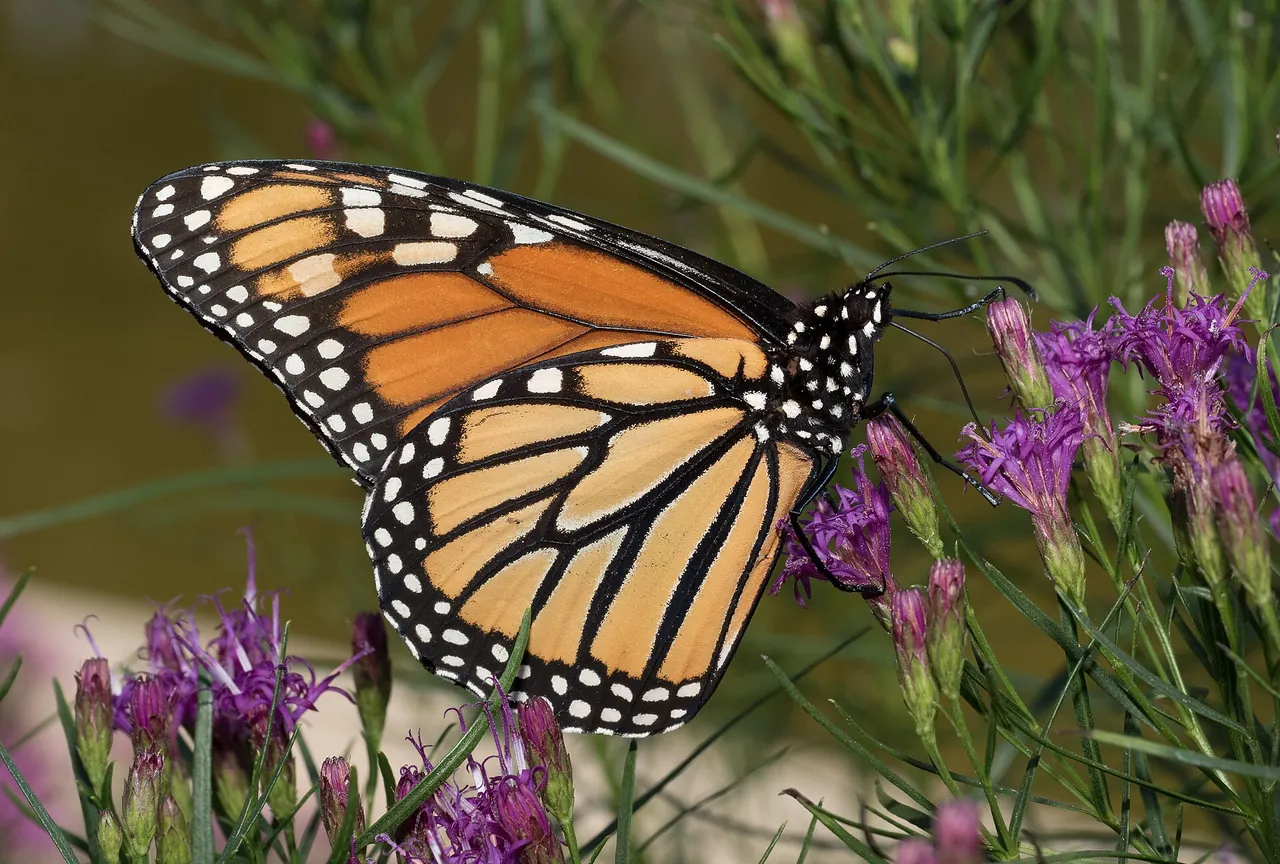
A monarch butterfly feeding on purple flowers
File photo: a monarch butterfly feeding on purple flowers. Photo: Rhododendrites · CC BY-SA 4.0 · Wikimedia Commons
Invertebrates

Monarch butterfly

An orange-and-black migrant whose caterpillars need milkweed and whose adults need flowers through the season.

Danaus plexippus

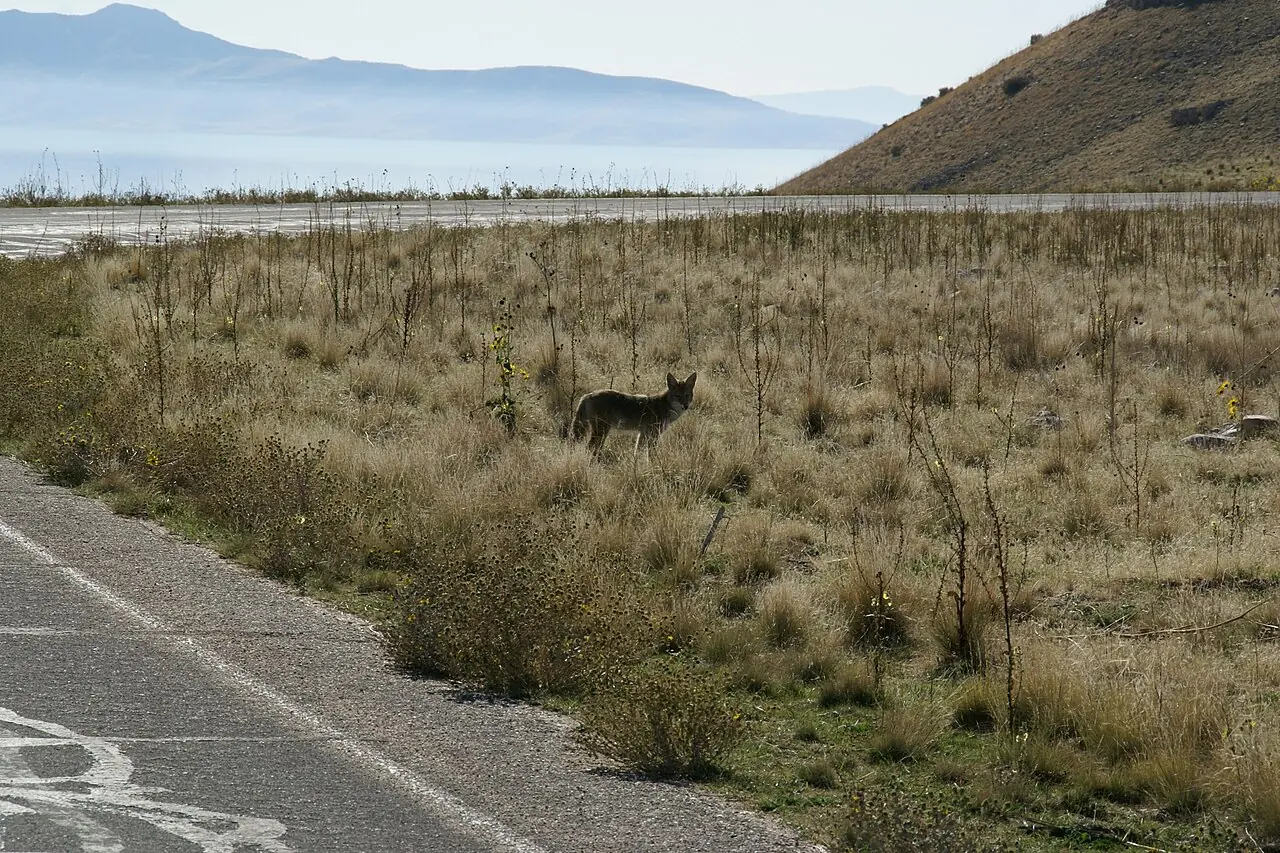
A coyote beside a road on Antelope Island
File photo: A coyote beside a road on Antelope Island (2012-10-01 15:05:31). Photo: Hermann Luyken · CC0 · Wikimedia Commons
Mammals

Coyote

Common across Utah, including in cities, and an opportunist that will eat almost anything.

A Townsend’s big-eared bat hanging from rock
File photo: Townsend’s big-eared bat in Utah, BLM archive. One of the bat species found in the state. Photo: John Larson / BLM Utah · Public domain · Wikimedia Commons
Mammals

Bats

Insect-eating flying mammals whose lives depend on suitable roosts, water and a safe seasonal cycle.

More guides

Saved on this device. Statewide news and alerts remain available.