Published by Paul Ivinskas
Saturday, October 24, 2026

Everything Utah, every day.

Help Utahns understand their communities and hold government accountable. Our mission →

Wildlife & plants · Amphibians

Northern leopard frog

A spotted frog that needs a connected mix of breeding water, moist feeding ground and overwintering habitat.

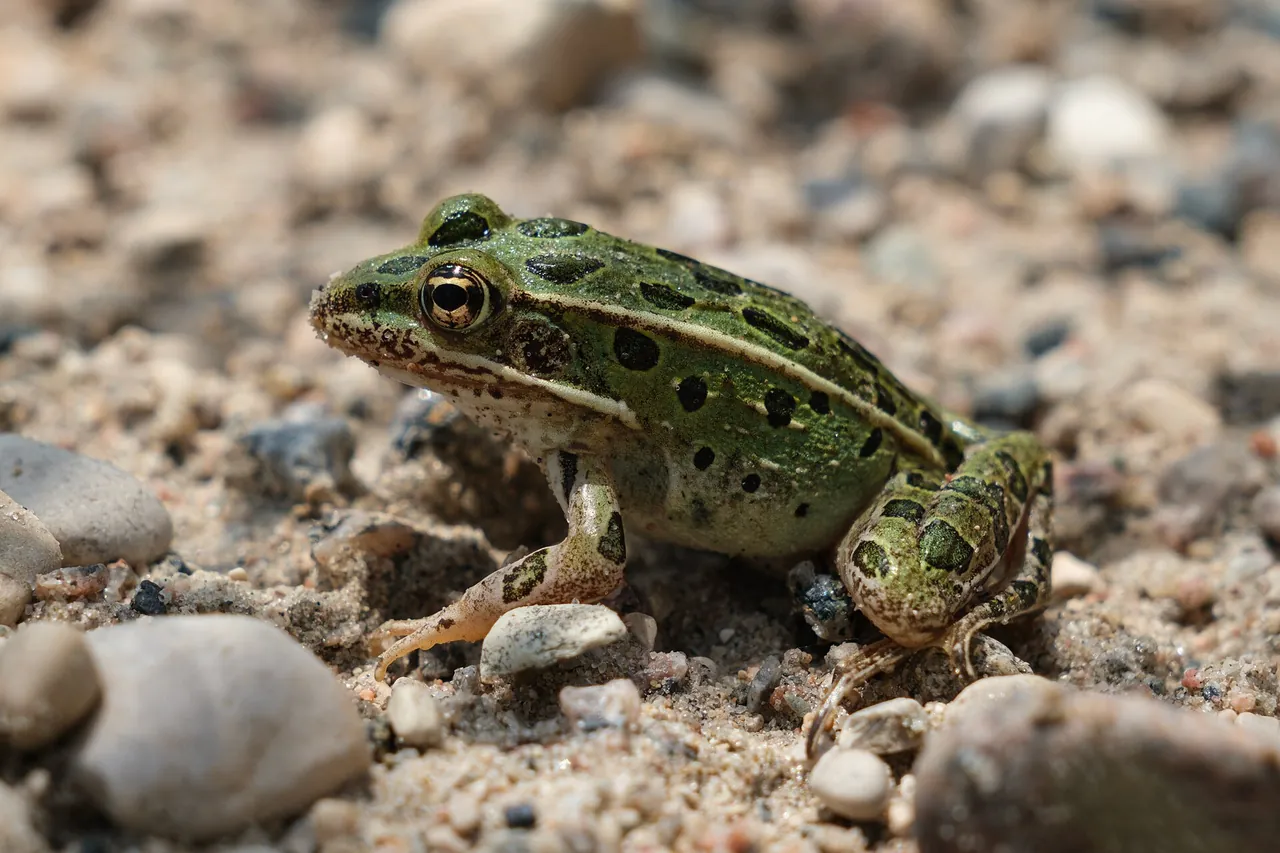
A northern leopard frog on gravelly ground
File photo: a northern leopard frog on gravelly ground · Cropped to fit. Photo: Jasper Shide · CC0 · Wikimedia Commons

Northern leopard frogs may be green or brown, with dark rounded or oval spots bordered in a paler color. Pale folds run along the sides of the back, and the underside is light. Their voice offers another clue: a snoring sound interrupted by grunts or chuckles, rather than the comb-like call of a boreal chorus frog. Listen from the bank before looking for the animal. The markings and call are useful together, especially where more than one frog species may be present.

A leopard frog needs a landscape with several jobs covered. Breeding takes place in shallow, still water with vegetation; eggs attach to plants, and tadpoles develop in the water. Adults and juveniles also feed in adjoining wet meadows and other moist ground, where they take small invertebrates. In cold conditions they overwinter in water. Protecting just a pond while removing the vegetated connections around it can overlook important parts of that life cycle.

Northern leopard frogs have declined in parts of their western range, with habitat loss, introduced predators, disease and changing aquatic conditions among the concerns. Utah's current conservation-priority list includes the species, but that designation should not be confused with an ESA listing. Local occurrence is uneven: an attractive marsh or a historical report is not proof that frogs are there today. A quiet sighting is best documented with a photograph and notes that do not require picking up the frog.

How to recognize it

Green or brown frog with pale-bordered dark spots and pale side ridges; distinctive snoring/grunting breeding call.

Conservation

A species of greatest conservation need in Utah.

Watching and staying safe

Stay out of egg-laying shallows, do not handle frogs or move water, plants or animals between ponds, and keep pets away from the margin.

Related profiles

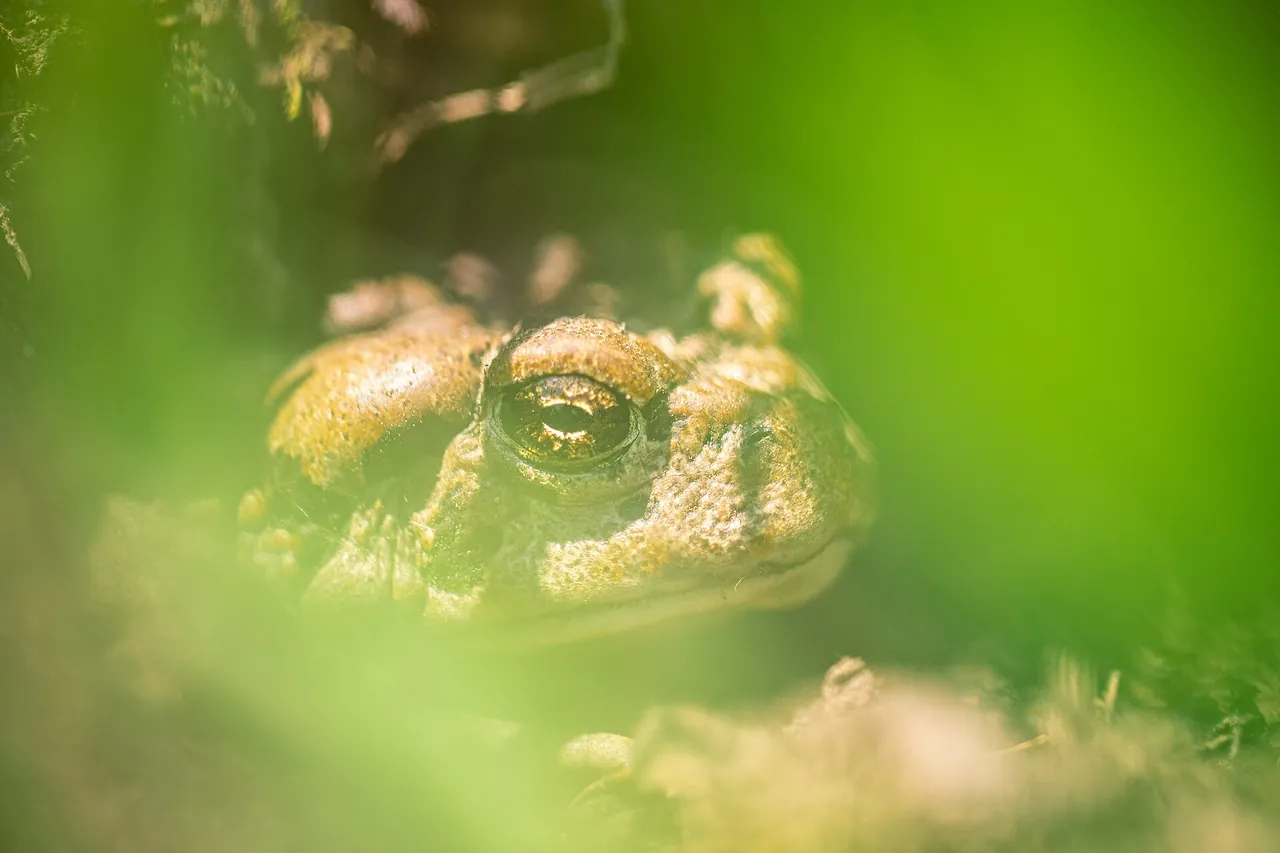
A western (boreal) toad looking out through blurred green vegetation
File photo: a western (boreal) toad looking out through blurred green vegetation. Photo: GlacierNPS · Public domain · Wikimedia Commons
Amphibians

Western (boreal) toad

A warty mountain amphibian whose breeding waters and disease risks require a light touch from visitors.
Anaxyrus boreas

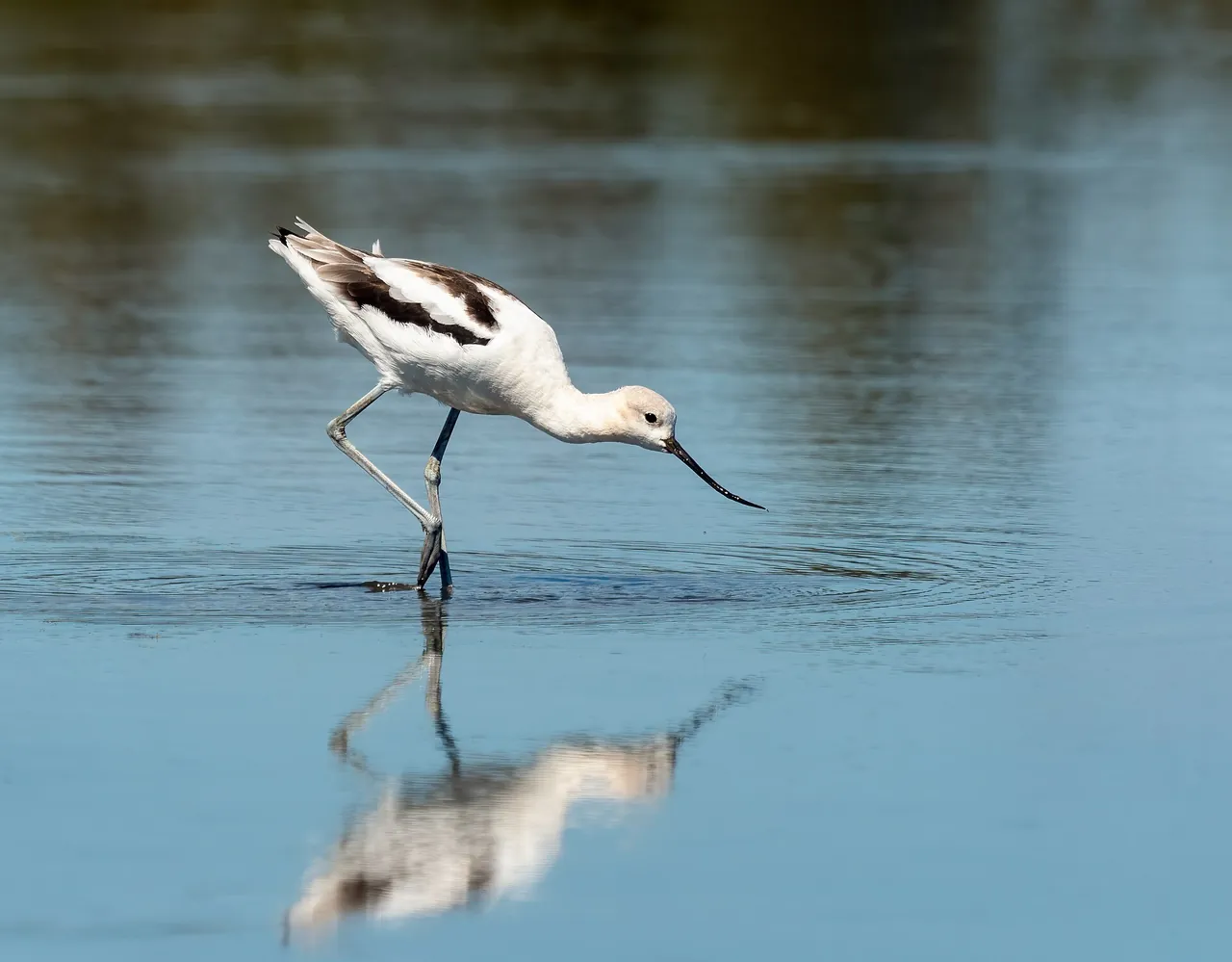
American avocet wading in shallow water with its upturned bill
File photo: american avocet wading in shallow water with its upturned bill. Photo: Rhododendrites · CC BY-SA 4.0 · Wikimedia Commons
Birds

American avocet

An upturned bill, blue-gray legs and a sweeping feeding motion make this wetland shorebird especially distinctive.

Recurvirostra americana

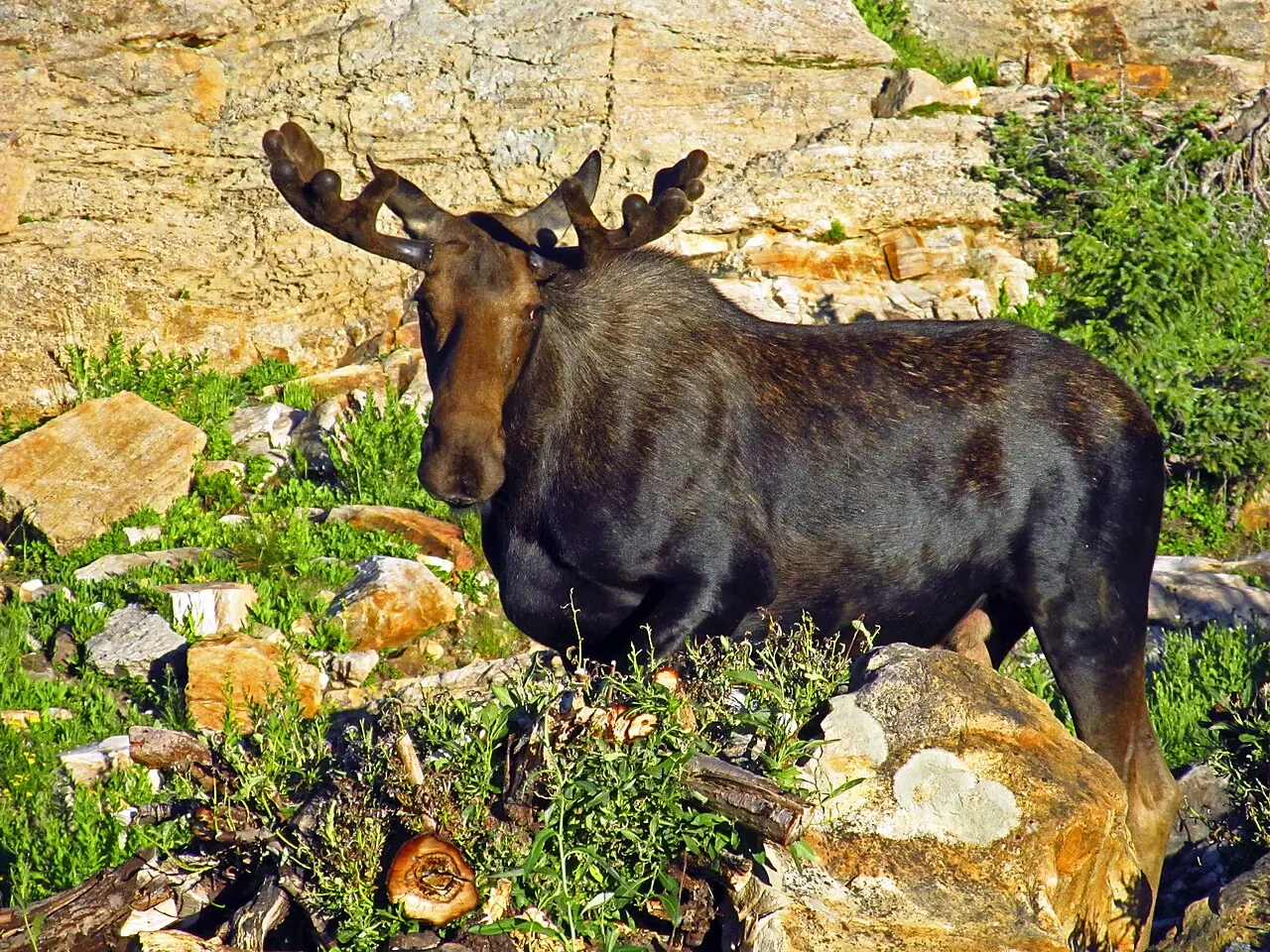
A bull moose among rocks and low vegetation at Cecret Lake
File photo: A bull moose among rocks and low vegetation at Cecret Lake (2012-07-25). Photo: BBernardicius · CC BY-SA 3.0 · Wikimedia Commons
Mammals

Moose

The largest member of the deer family in Utah, at home where northern mountain forest meets water.

Alces alces

Saved on this device. Statewide news and alerts remain available.