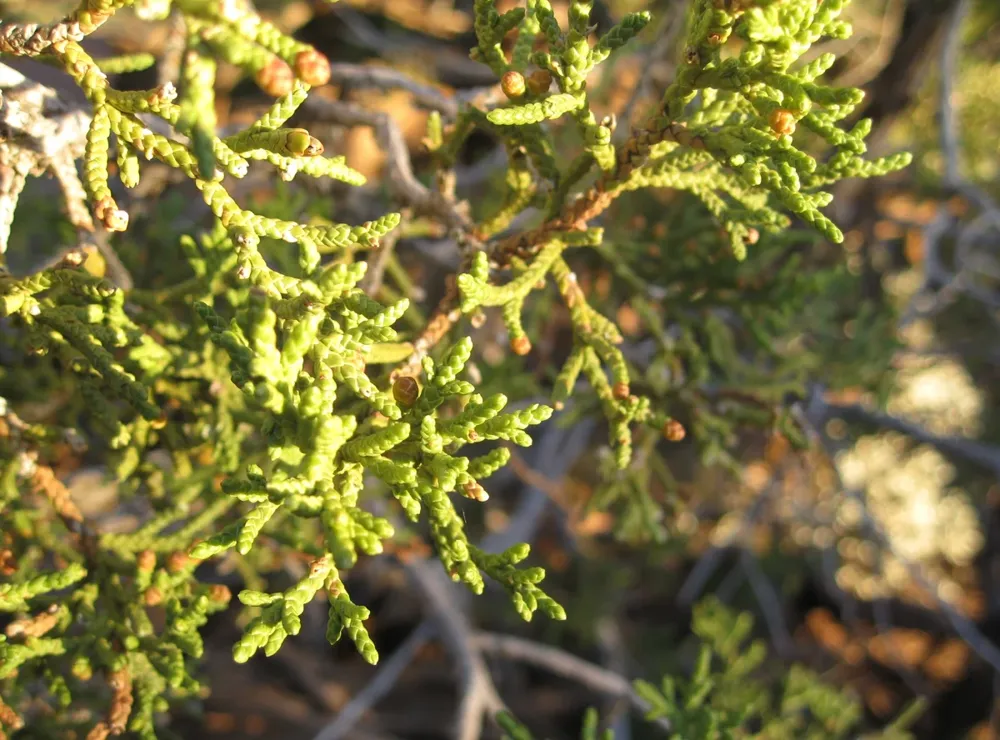
Utah juniper
A drought-tolerant evergreen with scale-covered twigs, fibrous bark, and berry-like cones that feed wildlife.
Everything Utah, every day.
Help Utahns understand their communities and hold government accountable. Our mission →
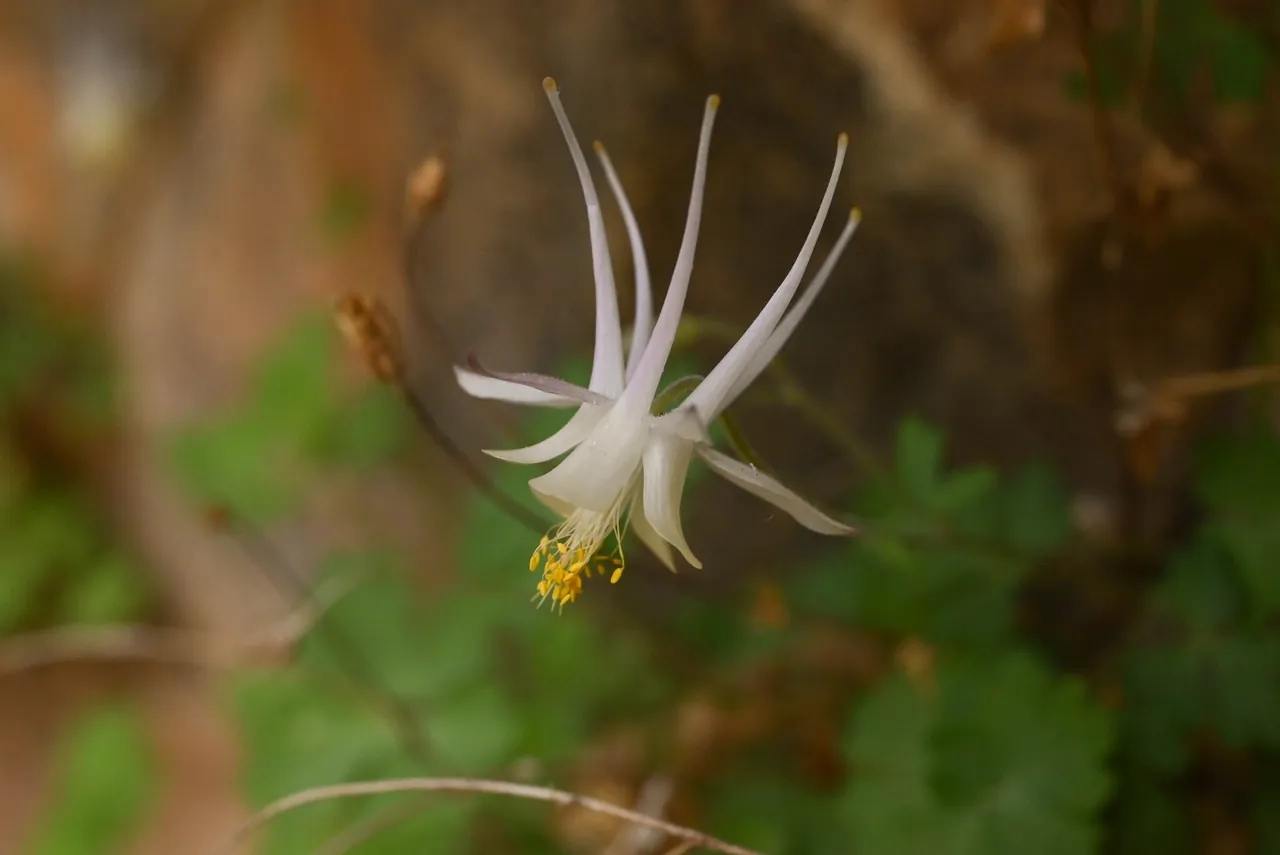
A small-flowered columbine of seeps and hanging gardens, where groundwater creates a cool refuge within the desert.

Alcove columbine belongs to the greener side of canyon country. Its small, pale flowers carry backward-projecting spurs, and its divided leaves grow mainly near the base. White, cream, and pale-blue flowers all fall within the appearance described by Arches National Park. It is more useful to notice the flower structure and moist setting than to expect a large garden-columbine bloom. Even a small patch can be part of a specialized plant community surrounded by much drier terrain.
Hanging gardens form where groundwater reaches a cliff face or sheltered alcove. Water moving through porous sandstone can be redirected sideways by a less permeable rock layer, emerging as a spring that supports vegetation. Alcove columbine is recorded around seeps and springs as well as hanging gardens. Its habitat is therefore connected to water moving through the surrounding landscape, not just rain falling directly on the leaves. Arches gives a broad flowering window from mid-spring into late summer; conditions at any individual seep determine what is visible.
These small wet places can hold exceptional biodiversity. Reduced groundwater, drought, invasive plants, and trampling can affect their condition, and a green patch should not be treated as a durable place to stand. Look from an established route, keep out of wet vegetation, and leave the water undisturbed. Do not assume a specific bee pollinator: the Arches entry refers to other columbine species rather than establishing one for this plant.
Small pale spurred flowers, divided mainly basal leaves, and a seep or hanging-garden setting.
Remain on established trails, do not walk through seep vegetation, and avoid washing or contaminating spring water.

A drought-tolerant evergreen with scale-covered twigs, fibrous bark, and berry-like cones that feed wildlife.

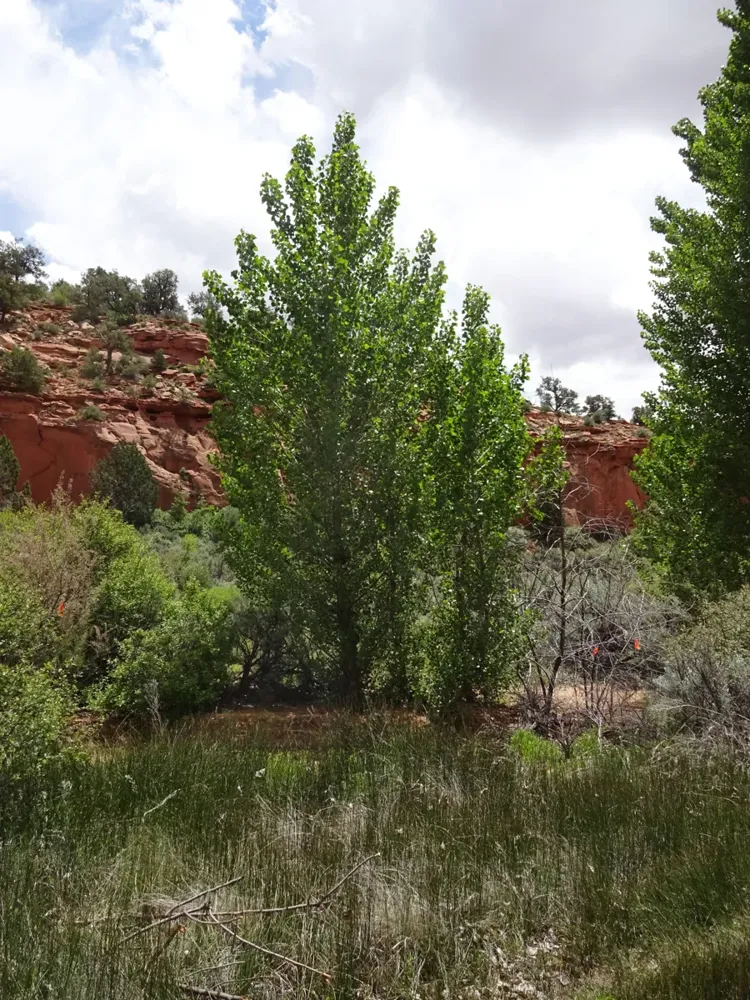
A broad-crowned river tree whose new generations depend on the right combination of flowing water, exposed sediment, and moisture.

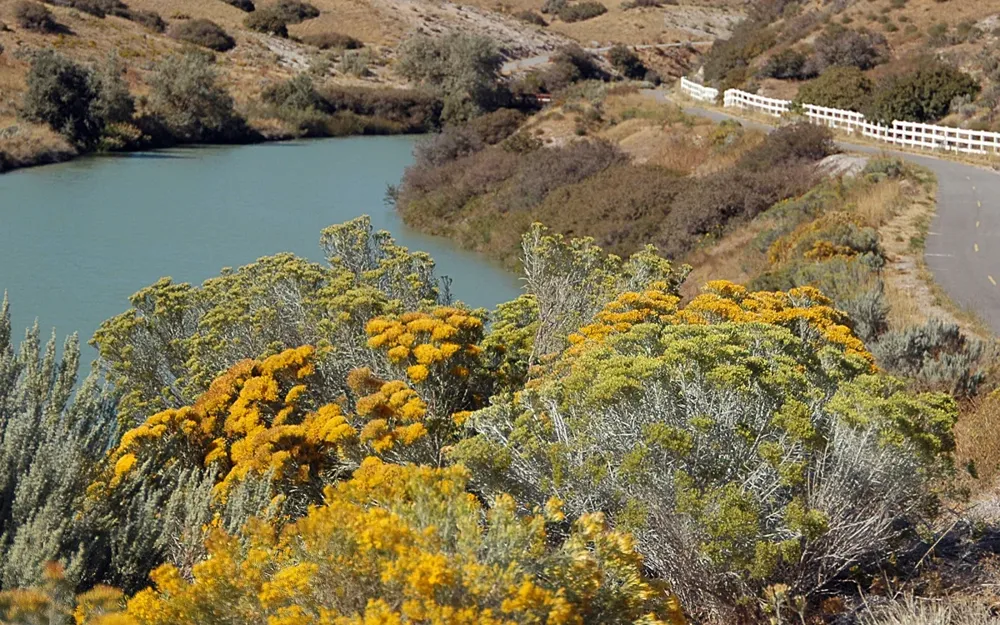
A flexible-stemmed native shrub whose late-season yellow flowers extend feeding opportunities for pollinators.