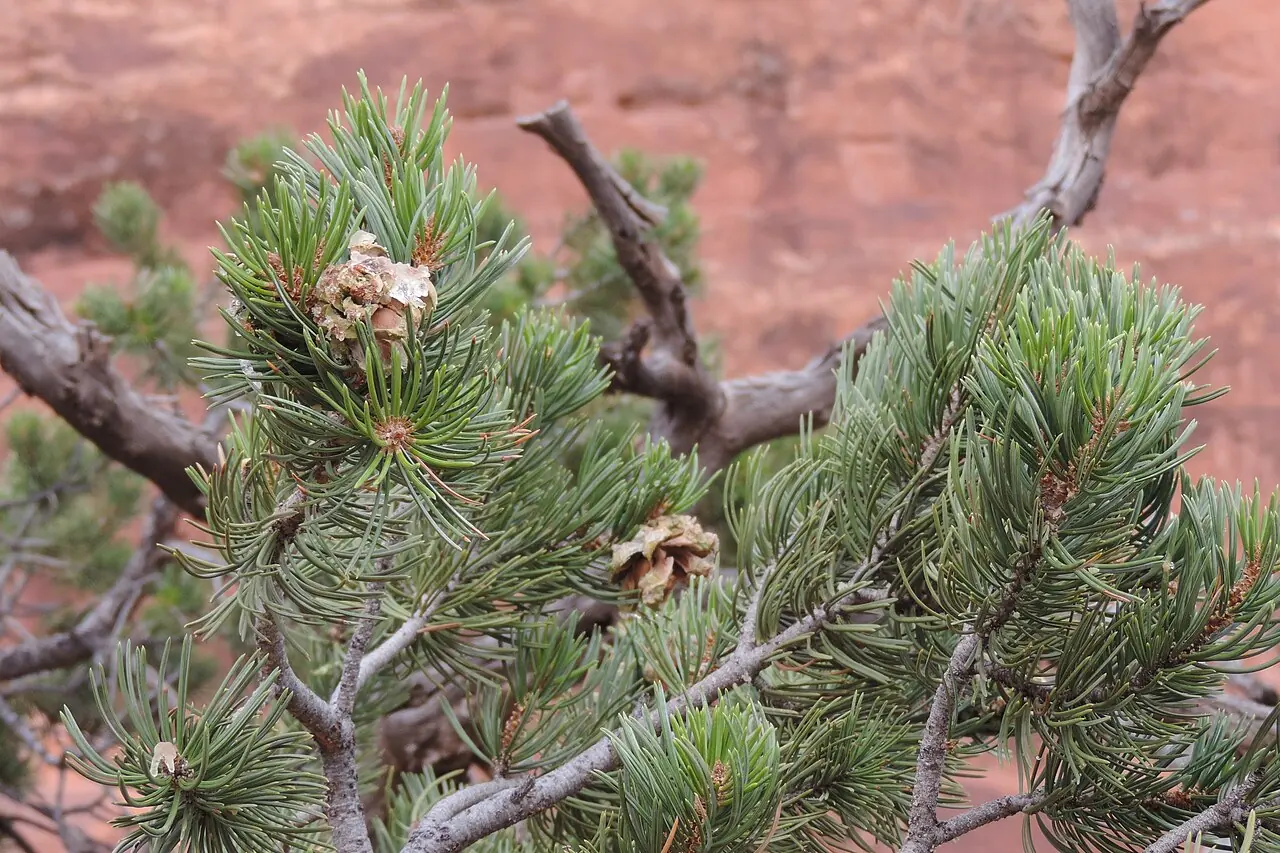
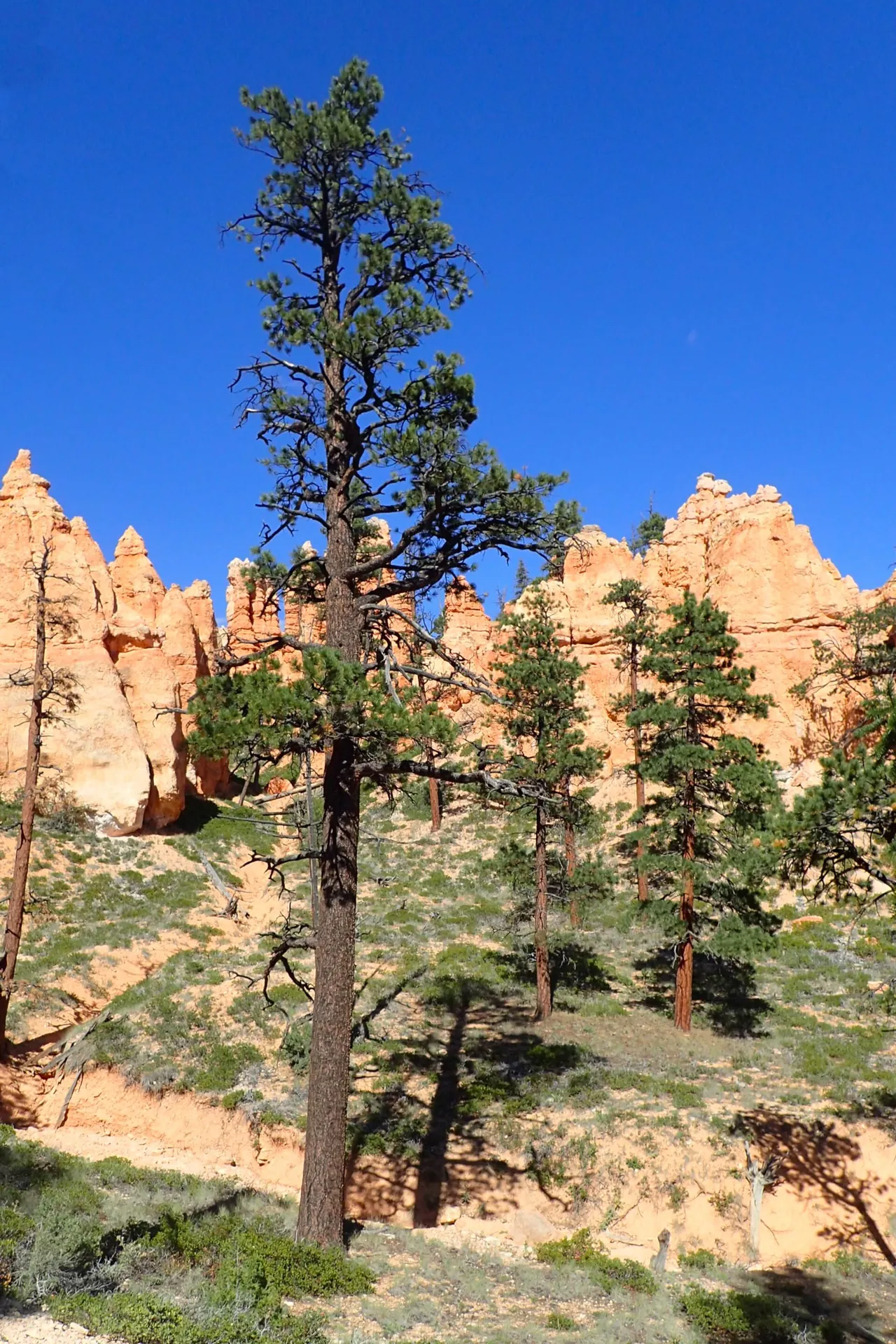
Limber pine
A slow-growing native pine of harsh mountain sites, with five needles in each bundle.
Everything Utah, every day.
Help Utahns understand their communities and hold government accountable. Our mission →
The small pine of pinyon-juniper woodland, with needles in pairs.

Two-needle pinyon is a small pine with scaly bark and needles in bundles of two, about half an inch to 2 inches long. At Arches it grows in desert shrub and pinyon-juniper communities, alongside Utah juniper.
Its species name, edulis, means "edible" and refers to its nutritious seeds, which grow in small, resinous cones.
The seeds have no wings. Birds and small mammals move them: jays and Clark’s nutcrackers cache them, and a cached seed can become a new tree. Moving a seed is only the first step. Seedlings generally do better in the shade of a tree or shrub than in open ground, and water is the main limit on young trees, so where a seed lands and how much rain follows matter as much as who carried it.
Counting needles per bundle is the easiest first clue to which pine you're looking at.

A slow-growing native pine of harsh mountain sites, with five needles in each bundle.
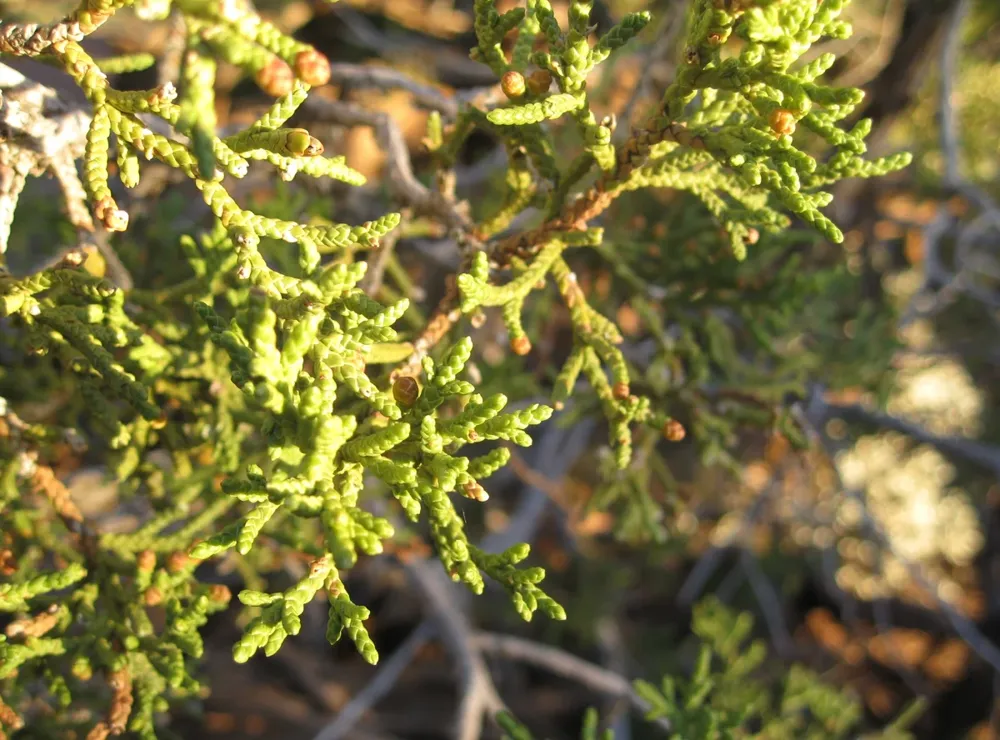
A drought-tolerant evergreen with scale-covered twigs, fibrous bark, and berry-like cones that feed wildlife.

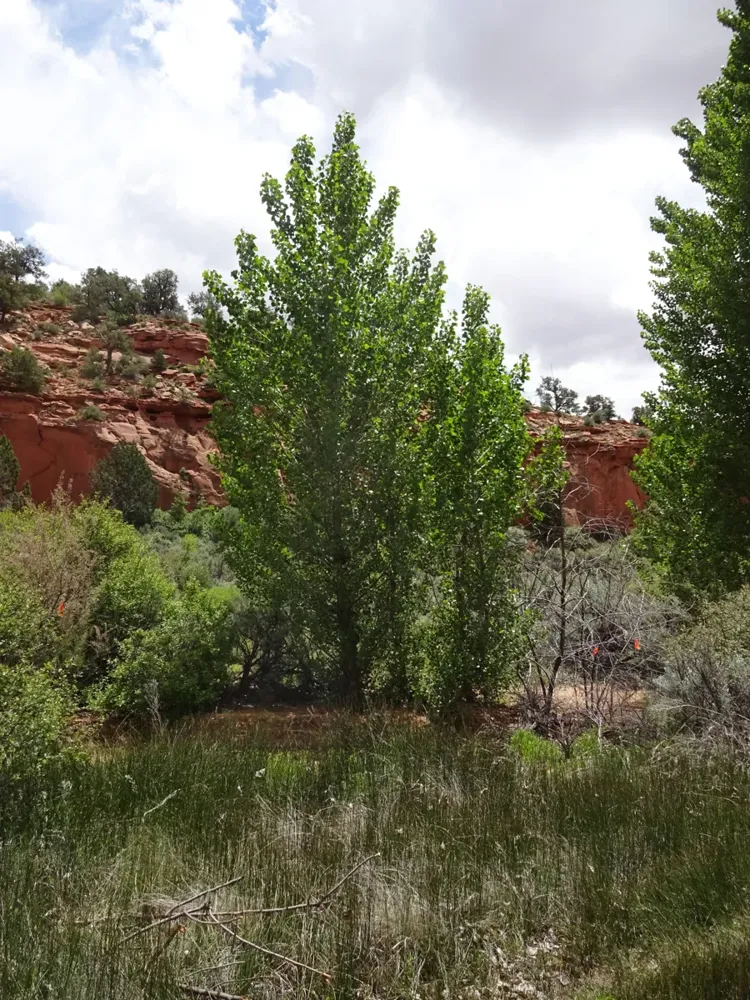
A broad-crowned river tree whose new generations depend on the right combination of flowing water, exposed sediment, and moisture.

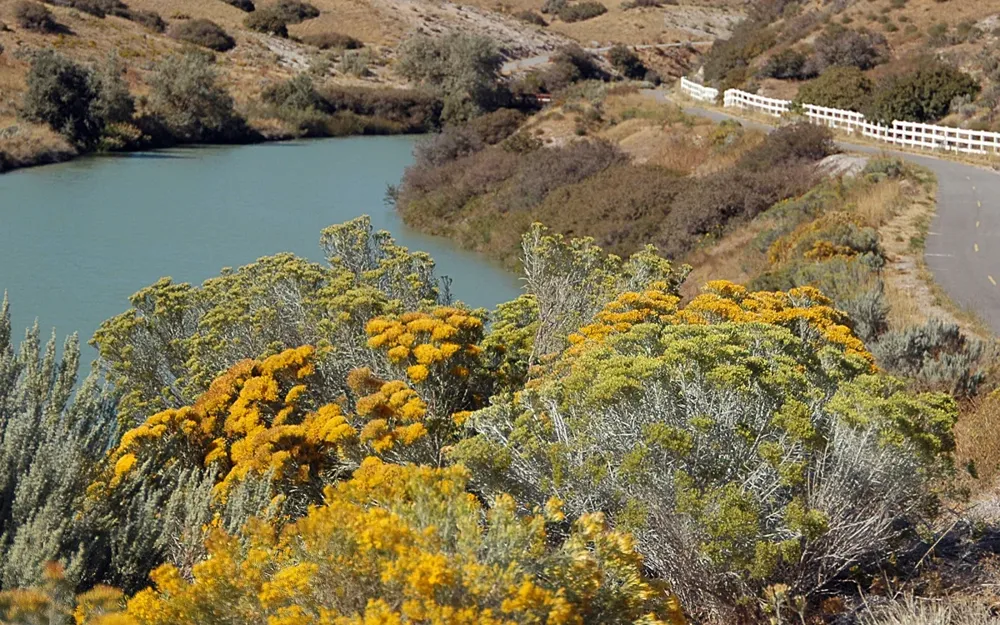
A flexible-stemmed native shrub whose late-season yellow flowers extend feeding opportunities for pollinators.